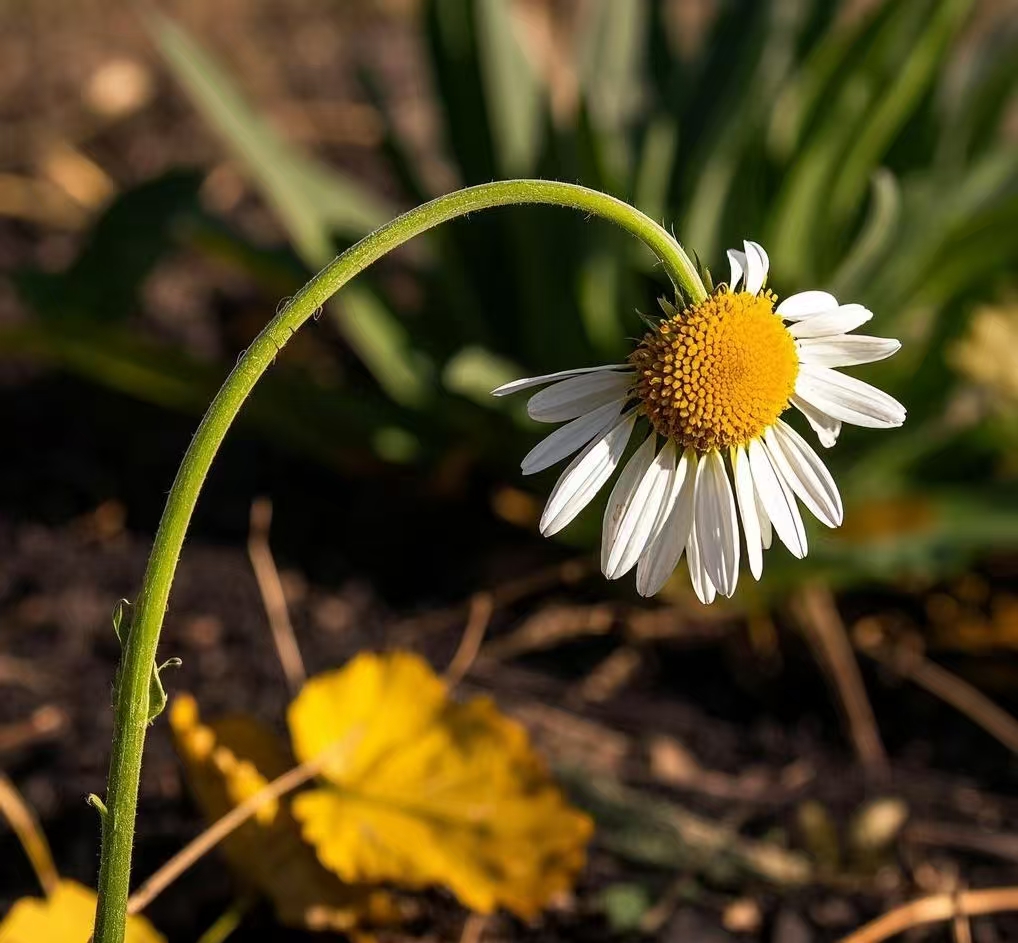
If you’re a gardener or simply love having fresh flowers around, you might have asked yourself, “Why do my daisies die?” Daisies are often seen as hardy, cheerful flowers, making them a favorite among plant lovers. However, even the most resilient flowers can struggle under certain conditions. In this blog post, we’ll explore some common reasons why daisies might not survive and how you can help them thrive.
1. Watering Problems
One of the most common causes of daisy distress is improper watering. Daisies need a moderate amount of water, but too much or too little can harm them. Overwatering can cause root rot, leading to yellowing leaves and wilting flowers. On the other hand, underwatering results in dry, brittle leaves and weak stems. Make sure the soil is well-draining, and water the daisies when the top inch of soil feels dry to the touch.
2. Poor Soil Conditions
Daisies thrive in well-draining, slightly acidic to neutral soil. If your garden soil is too heavy, dense, or alkaline, it can stunt the growth of daisies and even cause them to die. Adding organic compost or mulch can help improve soil structure, providing the necessary nutrients and enhancing drainage. If you’re unsure about your soil’s pH, a simple test kit can help you determine if it’s the right environment for daisies.
3. Too Much or Too Little Sunlight
Like most flowers, daisies need a good amount of sunlight to grow healthy and strong. They typically require at least 6 hours of direct sunlight daily. If they are planted in a shaded area, they may become leggy, weak, and susceptible to disease. On the other hand, too much direct sunlight, especially in hot climates, can scorch the leaves and lead to wilting. Try to find a spot that provides balanced sunlight—bright but not overwhelmingly hot.
4. Pests and Disease
Daisies, while hardy, can fall victim to pests and diseases. Aphids, slugs, and snails are common culprits that feed on daisy plants, weakening them and making them more susceptible to other problems. Fungal diseases like powdery mildew or rust can also affect daisies, causing spots or a white powdery coating on the leaves. Regularly inspect your plants for signs of pests, and use natural pest control methods, such as neem oil or insecticidal soap, to keep them at bay.
5. Temperature Extremes
Daisies are generally hardy but can be sensitive to extreme temperatures. In regions with hot summers, daisies may struggle to survive the heat, especially if they are not watered properly. Similarly, in cold climates, they may not survive harsh winter conditions unless they are properly mulched or protected. If you live in a region with extreme temperatures, consider planting daisies in containers that can be moved to more favorable conditions or providing extra protection during extreme weather events.
6. Lack of Proper Care
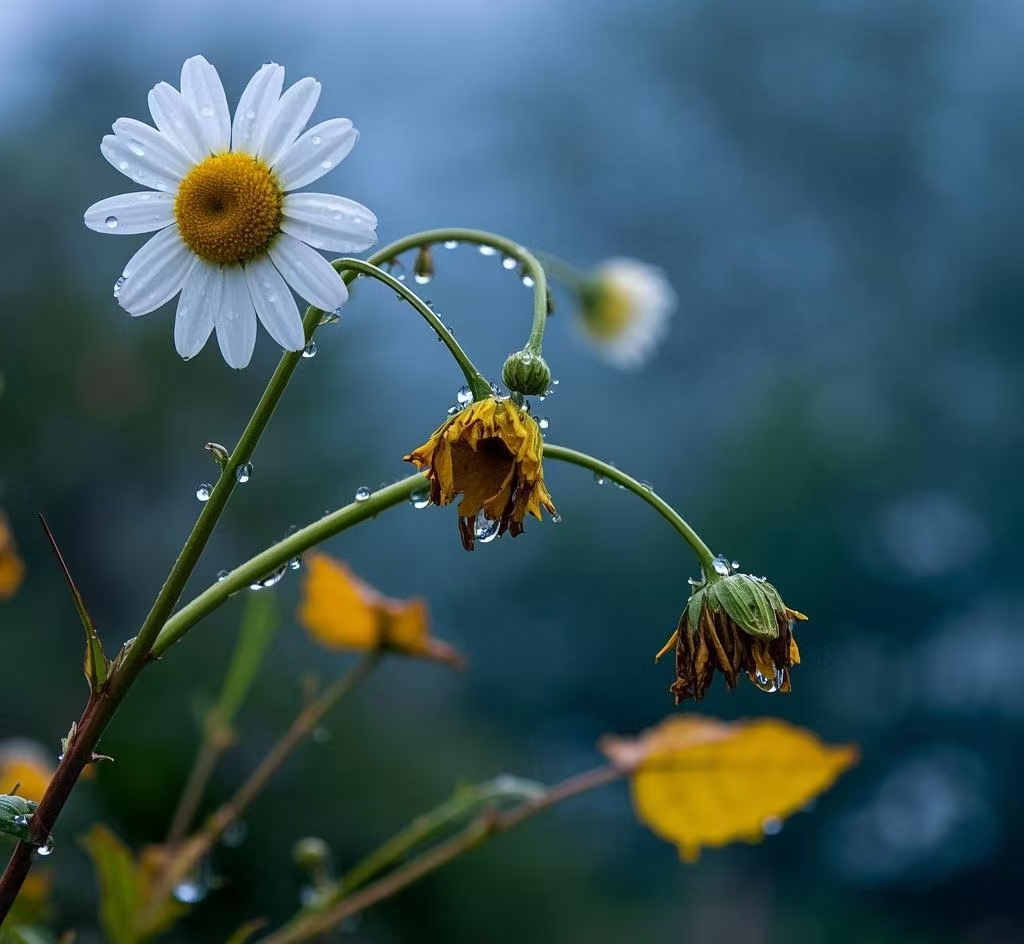
Sometimes, daisies die simply because they are not getting the care they need. Regular pruning of dead or dying flowers helps encourage new growth and ensures the plant doesn’t waste energy on non-productive areas. Fertilizing your daisies with a balanced fertilizer once or twice during the growing season can also help promote healthy blooms.
How to Save Your Daisies
If you notice your daisies are dying or showing signs of stress, there are a few things you can do to save them:
- Check the water: Ensure the plant isn’t being overwatered or underwatered, and adjust your watering routine accordingly.
- Assess the soil: Improve soil conditions with compost or adjust pH levels if necessary.
- Provide more sunlight: If your daisies aren’t getting enough light, move them to a sunnier spot or trim back any plants that may be shading them.
- Pest control: Regularly check for pests and diseases, and treat them with natural remedies to keep your daisies healthy.
By understanding the needs of your daisies and addressing common issues, you can help them thrive and enjoy their cheerful blooms throughout the season. Happy gardening!