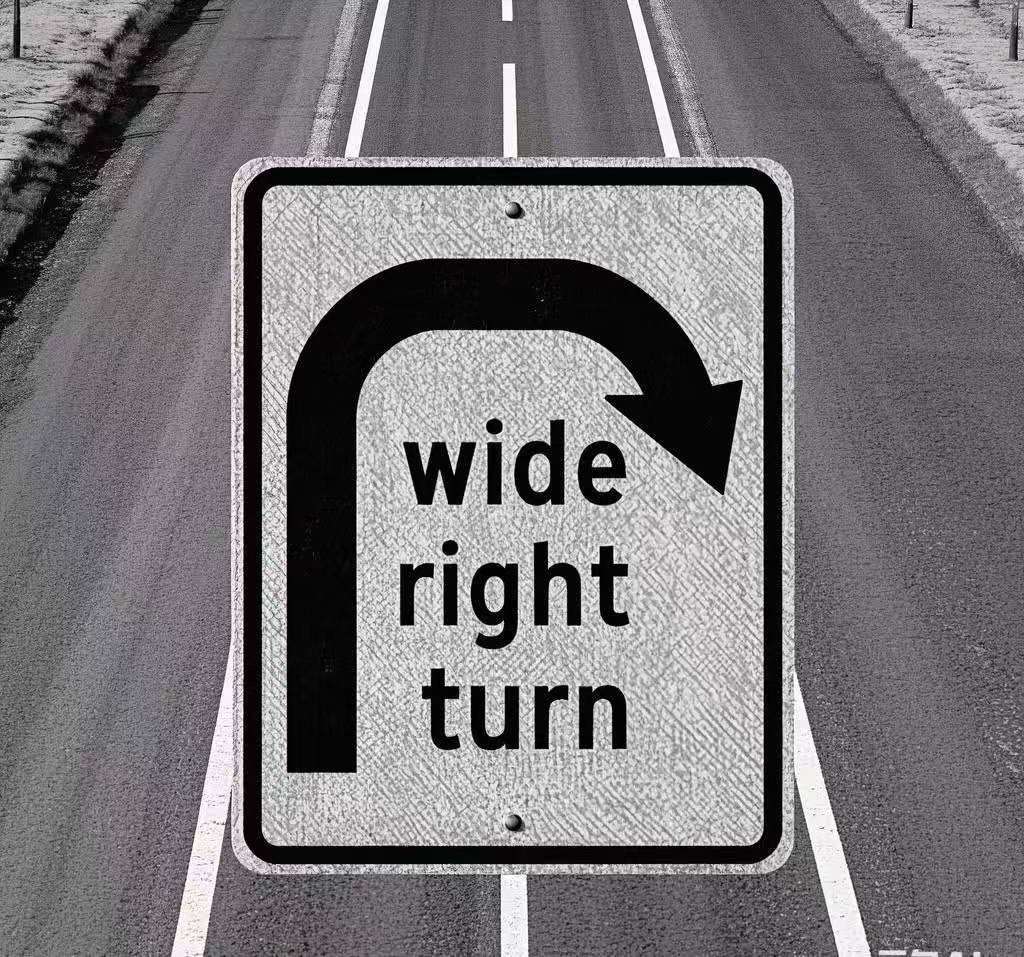
Driving in Texas comes with its own set of traffic laws and guidelines designed to keep roads safe and efficient. Among these is the rule regarding making a wide right turn, which may seem straightforward, but understanding the legal expectations and practical aspects of this maneuver is important for both new and experienced drivers. In this blog post, we’ll break down the concept of a wide right turn under the Texas Transportation Code and how it affects driving behavior on Texas roads.
What is a Wide Right Turn?
A wide right turn refers to the maneuver where a driver needs to make a right turn at an intersection but must swing the vehicle further out into the intersection or surrounding lanes to complete the turn safely. This might occur for various reasons, such as the turning radius of the vehicle, traffic conditions, or road design that requires extra space.
In Texas, wide right turns are often seen on larger roads or highways with multiple lanes. These turns are typically needed when a vehicle must avoid hitting obstacles, pedestrians, or other vehicles while turning onto a smaller street or ramp.
Texas Transportation Code: Right Turns and Safety
The Texas Transportation Code outlines various rules and guidelines regarding turns at intersections, including right turns. While the code does not explicitly mention the phrase “wide right turn,” it provides clear directives that impact when and how a wide turn might be legally and safely executed. The general provisions that are most relevant to wide right turns include:
- Section 545.101 – Turning at Intersections: This section requires drivers to turn in the closest lane going in the direction of travel. However, in cases where the road design necessitates a wider turning radius (such as on highways or when large vehicles need to turn), this rule may be adjusted to allow for more space.
- Section 545.103 – Turning Right on Red: In Texas, it’s legal to turn right at a red light unless posted otherwise. However, when making a wide right turn at a red light, it’s critical to yield to pedestrians, other vehicles, and cyclists.
- Section 551.102 – Restricted Turns: In some cases, signs may restrict right turns at certain intersections, including wide right turns, to ensure smooth traffic flow or safety. These restrictions must be adhered to, even if they appear to interfere with the ability to make a wide right turn.
When and Why Do Drivers Need to Make a Wide Right Turn?
There are several reasons why a driver may need to make a wide right turn:
- Large Vehicles: Trucks, buses, and RVs often require more space to make a right turn due to their size and turning radius. A wider turn is necessary to prevent the vehicle from encroaching into oncoming lanes or hitting obstacles like curbs and street signs.
- Intersection Design: Some intersections, especially those on highways or busy city streets, may have multiple lanes or turning lanes that require extra room to navigate. A driver might need to turn into a wider section of the road before returning to the correct lane.
- Traffic and Road Conditions: Congestion, construction, or parked vehicles can limit available space for a standard turn, prompting drivers to take a wider approach. It’s also essential for maintaining safety, especially in heavy traffic.
- Pedestrian and Cyclist Safety: A wide turn can sometimes be necessary to ensure the safety of pedestrians and cyclists, especially in areas where they may be crossing the road or using bike lanes adjacent to the intersection.
Legal Considerations for Wide Right Turns in Texas
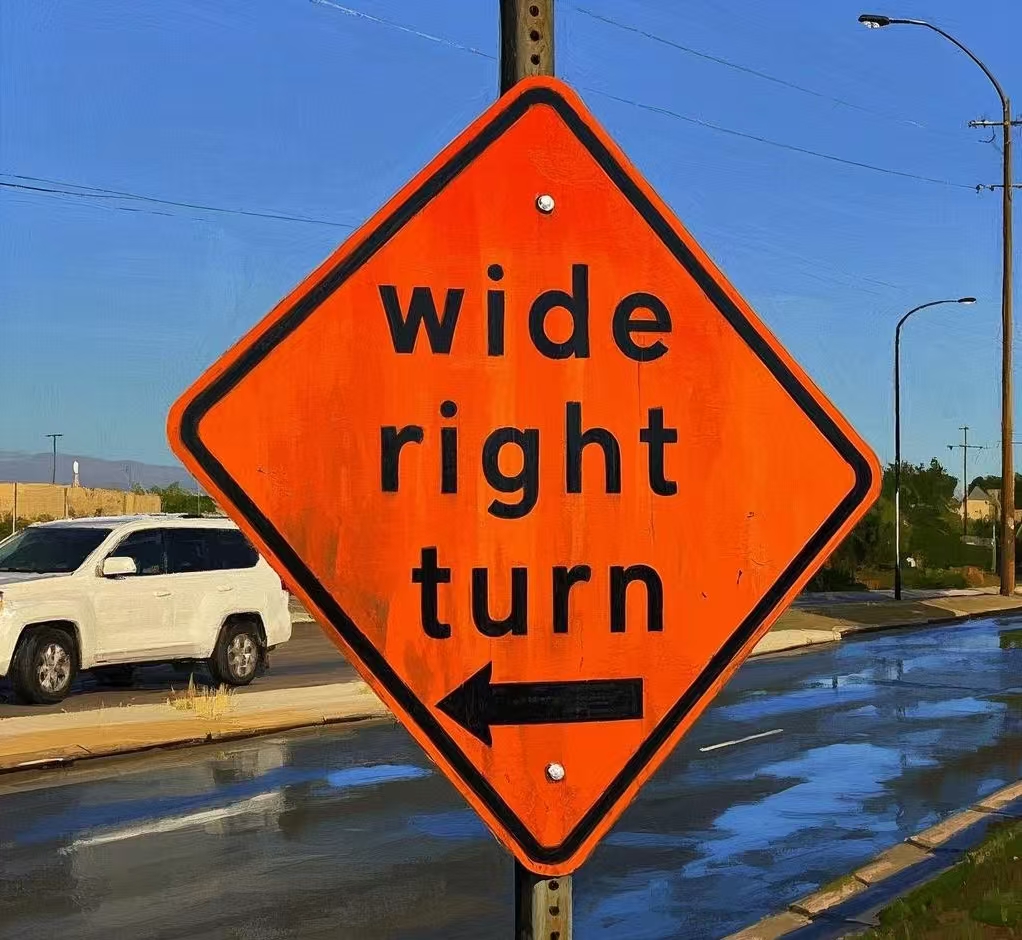
While there is no specific statute that defines a “wide right turn” in the Texas Transportation Code, the general rules of safe driving and turning must still apply. Here are some legal considerations to keep in mind when making a wide right turn:
- Signal Your Intentions: Before making any turn, it’s essential to signal your intentions well in advance. This gives other drivers and pedestrians time to adjust and ensures that the maneuver is as predictable as possible.
- Yield to Pedestrians and Cyclists: As mentioned earlier, wide right turns often occur in areas where pedestrians and cyclists are present. Texas law mandates that drivers yield the right of way to pedestrians at crosswalks and cyclists in bike lanes when turning.
- Avoid Blocking the Intersection: According to the Texas Transportation Code, drivers should avoid blocking intersections or crosswalks when turning. If a wide right turn causes a vehicle to be stuck in the intersection, it can lead to fines and penalties.
- Proper Lane Usage: Drivers should always make their right turn into the closest available lane, unless road markings or traffic signals indicate otherwise. Taking an overly wide right turn that causes you to enter multiple lanes of traffic could be considered a violation of safe driving rules.
Safety Tips for Wide Right Turns
To make sure you’re driving safely when executing a wide right turn, follow these tips:
- Check Your Surroundings: Always check for pedestrians, cyclists, and other vehicles before making a wide right turn. Be extra cautious in busy areas and urban environments.
- Slow Down: Wide right turns should be made at a safe speed. Slowing down ensures you can complete the turn without risking your safety or the safety of others.
- Use Your Mirrors: Be sure to use your mirrors and check your blind spots before pulling out to make a wide right turn. This helps you avoid collisions with other road users.
- Be Aware of Signage: Look out for road signs that might indicate a specific turning lane or turning radius. Some intersections may have signs that dictate the flow of traffic and turning rules.