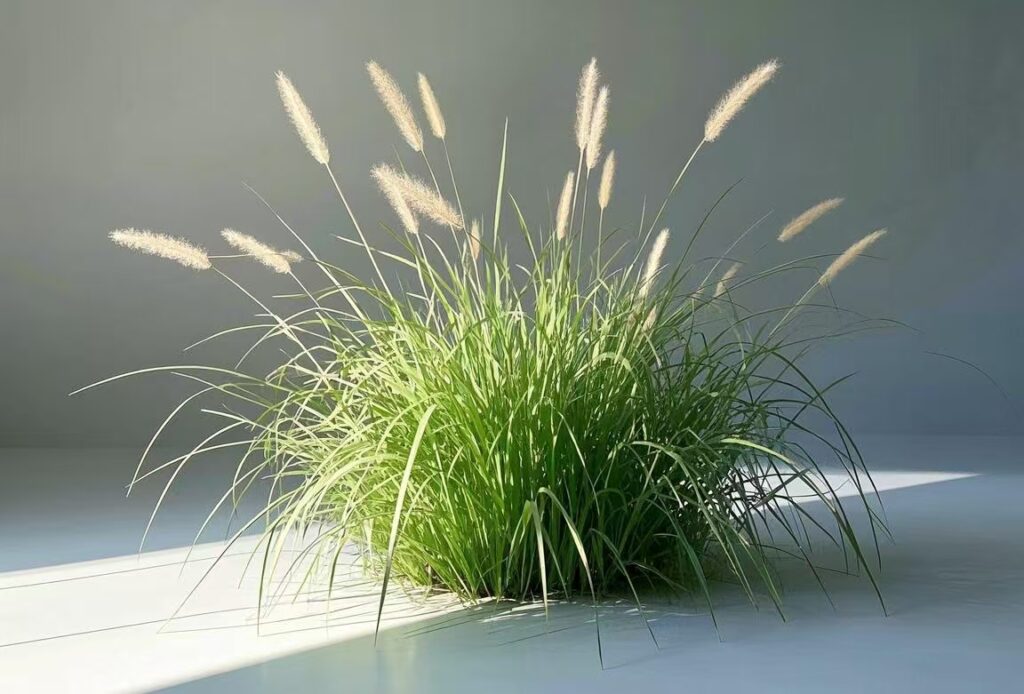
Sweetgrass (Hierochloe odorata), known as the “hair of Mother Earth,” is a fragrant, sacred grass revered by Indigenous cultures for centuries. Its vanilla-like aroma, spiritual significance, and ecological benefits make it a treasured plant in ceremonies, crafts, and sustainable landscaping. Here’s why sweetgrass is more than just a plant—it’s a bridge between nature and culture.
What is Sweetgrass?
🌱 Botanical Name: Hierochloe odorata (also called “holy grass”).
🌍 Native Habitat: Northern regions (North America, Europe, Asia), thriving in wetlands and meadows.
✨ Sacred Status: Used by Indigenous peoples (Lakota, Blackfoot, Cree, and others) for smudging, prayer, and purification.
Why Sweetgrass Matters
1. Spiritual and Cultural Significance
- Smudging: Braided sweetgrass is burned alongside sage or cedar to invite positive energy and prayers.
- Symbolism: Represents kindness, healing, and the connection between humans and the earth.
- Traditional Crafts: Woven into baskets, mats, and ceremonial braids.
2. Ecological Benefits
- Erosion Control: Its deep roots stabilize soil in wetlands.
- Pollinator-Friendly: Provides habitat for bees and butterflies.
- Low Maintenance: Drought-resistant once established.
3. Aromatic and Therapeutic
- Vanilla-Like Scent: Released when burned or brushed against (due to coumarin compounds).
- Calming Effects: Used in aromatherapy for stress relief.
How to Grow and Harvest Sweetgrass
Planting Tips
- Sunlight: Full sun to partial shade.
- Soil: Moist, well-drained soil (mimics its natural wetland habitat).
- Propagation: Divide rhizomes in spring or fall (seeds are slow to germinate).
Sustainable Harvesting
- Never Overharvest: Take only what you need, leaving roots intact.
- Braiding Tradition: Harvest in midsummer, when leaves are long and pliable.
Ways to Use Sweetgrass
- Smudging: Burn braids to cleanse spaces or meditate.
- Herbal Sachets: Dried sprigs in closets or pillows for fragrance.
- Gardening: Plant as a fragrant ground cover or border.
- DIY Crafts: Weave into small baskets or friendship bracelets.
Ethical Considerations
- Respect Indigenous Traditions: Learn from Native teachers or buy from Indigenous harvesters (avoid cultural appropriation).
- Wild Protection: Some regions list sweetgrass as threatened—always check local guidelines.
Where to Find Sweetgrass
- Native Plant Nurseries: Look for ethically sourced plants.
- Indigenous Artisans: Support braiders and crafters (Etsy, tribal markets).
- Online: Certified sellers (like Prairie Moon Nursery).
Final Thoughts
Sweetgrass is a gift—a fragrant reminder to walk gently on the earth and honor the wisdom of those who have cherished it for generations. Whether you grow it, braid it, or simply breathe in its peace, this sacred grass invites gratitude and connection.