A lush, green lawn starts with healthy soil. If your soil is in a poor state, it can be a challenge to get your grass seed to germinate and grow into a beautiful, thick turf. However, with some preparation and the right techniques, you can transform bad soil into a fertile base for your grass.
Assessing the Problem with Your Soil
Before you start making improvements, it’s crucial to understand what’s wrong with your soil. There are a few common issues that can make soil less than ideal for grass growth.
Poor Drainage
Soil that doesn’t drain well can become waterlogged. This deprives grass roots of oxygen, leading to root rot and poor growth. Signs of poor drainage include standing water after rain for extended periods, muddy patches, or a foul smell. Clay – heavy soils are particularly prone to poor drainage as the small clay particles pack tightly together, leaving little room for water to flow through.
Lack of Nutrients
Grass needs a variety of nutrients to thrive, including nitrogen, phosphorus, and potassium. If your soil is lacking in these essential elements, the grass will struggle to grow. You might notice pale – colored grass, slow growth, or a general lack of vigor. Sandy soils often have poor nutrient – holding capacity, as the large sand particles don’t bind to nutrients well, allowing them to leach away easily.
Incorrect pH Level
The pH level of soil measures its acidity or alkalinity. Most grasses prefer a slightly acidic to neutral soil, with a pH range of 6.0 – 7.0. If the pH is too low (acidic) or too high (alkaline), it can affect the availability of nutrients to the grass. Acidic soils are common in areas with high rainfall, while alkaline soils are more prevalent in arid regions or those with a lot of limestone in the ground.
Steps to Improve Bad Soil
Improving Drainage
- Aerating the Soil
Aeration is a great way to improve soil drainage. You can use a garden fork or a mechanical aerator. For small areas, a garden fork works well. Insert the fork into the soil about 6 – 8 inches deep and gently wiggle it to create holes. For larger lawns, a mechanical aerator, either a spike or a core aerator, can be more efficient. Core aerators remove small plugs of soil, creating channels for water, air, and nutrients to reach the roots more easily. - Adding Organic Matter
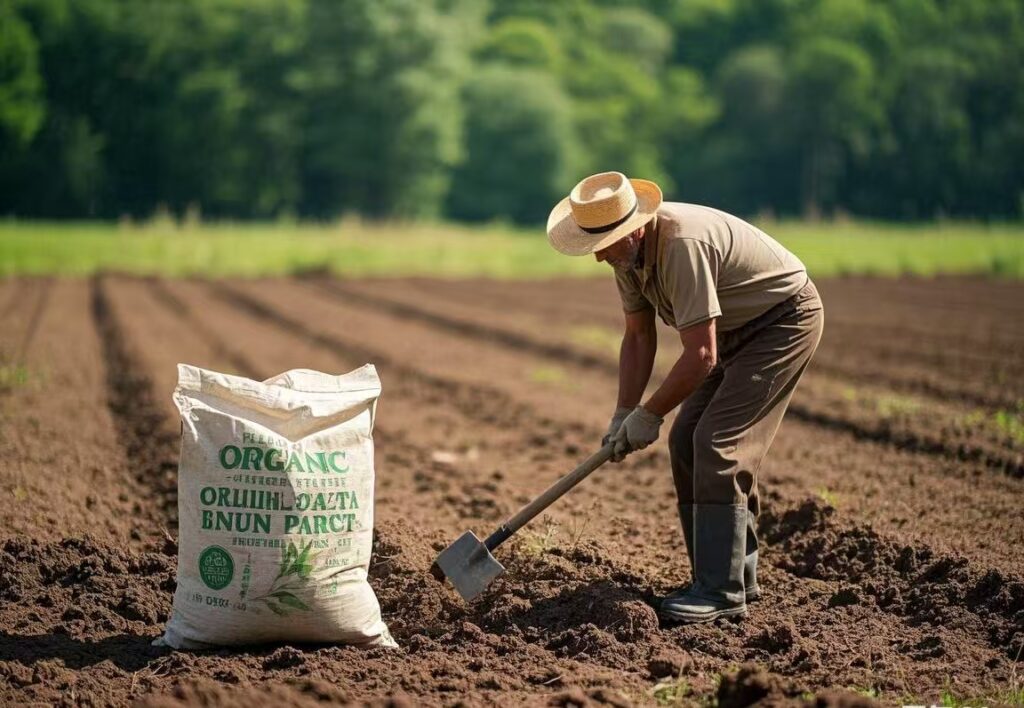
Incorporating organic matter like compost, well – rotted manure, or peat moss can improve soil structure and drainage. Organic matter helps to break up compacted clay soils and increase the water – holding capacity of sandy soils. Spread a 2 – 3 – inch layer of organic matter over the soil surface and then work it in using a garden tiller or a spade to a depth of 6 – 8 inches.
Boosting Nutrient Levels
- Soil Testing
Before adding any fertilizers, it’s a good idea to conduct a soil test. You can purchase a soil test kit from a garden center or send a soil sample to a professional laboratory. The test will tell you the nutrient levels in your soil, as well as the pH. Based on the results, you can determine which fertilizers are needed. - Applying Fertilizers
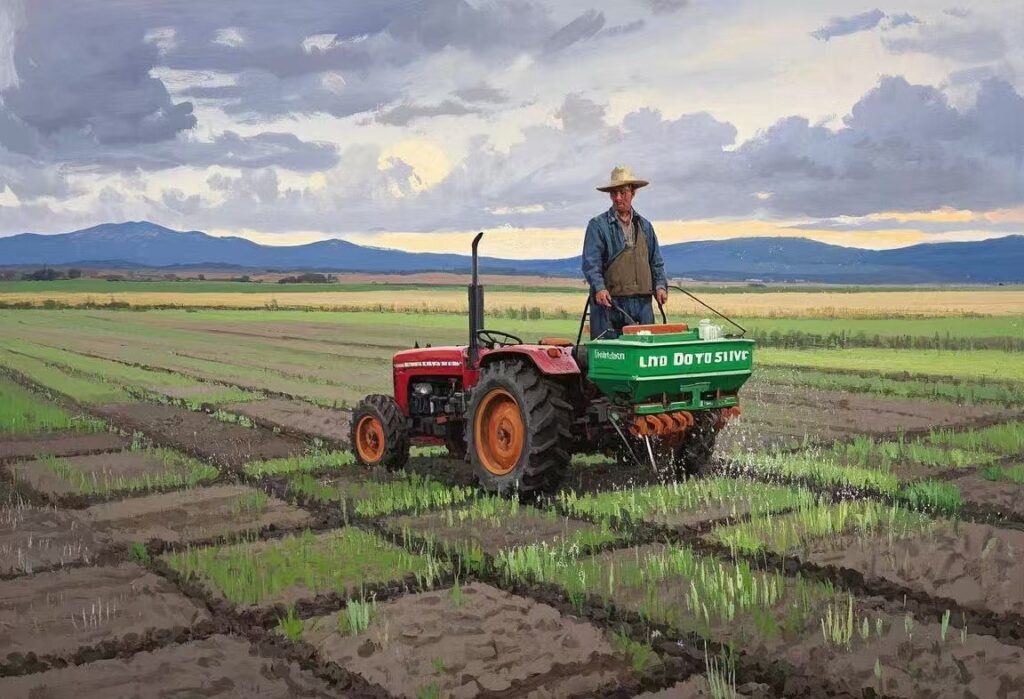
If your soil is low in nitrogen, a nitrogen – rich fertilizer like ammonium nitrate or urea can be applied. Phosphorus – deficient soil can be amended with superphosphate, and potassium – lacking soil can benefit from potassium chloride or potassium sulfate. Follow the recommended application rates on the fertilizer package to avoid over – fertilizing, which can harm the environment and burn the grass. Slow – release fertilizers are often a good choice as they provide a steady supply of nutrients over time. - Using Cover Crops
Planting cover crops like clover, ryegrass, or alfalfa can also improve soil fertility. These plants absorb nutrients from the soil and then, when they are turned under (a process called green manuring), they release those nutrients back into the soil, making them available for the grass.
Adjusting the pH Level
- Raising the pH (Making the Soil More Alkaline)
If your soil is too acidic, you can add lime to raise the pH. The type of lime you use depends on your soil and the severity of the acidity. Agricultural lime (calcium carbonate) is commonly used. The amount of lime needed is determined by the soil test results. Spread the lime evenly over the soil surface and work it in to a depth of 4 – 6 inches. It takes a few months for the lime to fully react and raise the pH, so plan ahead. - Lowering the pH (Making the Soil More Acidic)
For alkaline soils, sulfur is often used to lower the pH. Elemental sulfur is converted to sulfuric acid by soil bacteria over time, which acidifies the soil. Similar to lime, the amount of sulfur required is based on the soil test. Apply the sulfur evenly and work it into the soil. This process also takes time, so be patient.
Preparing the Soil for Grass Seed
Once you’ve made the necessary improvements to the soil, it’s time to prepare the soil surface for planting the grass seed.
Raking and Leveling
Use a garden rake to smooth out the soil surface. Remove any large clumps, rocks, or debris. Level the soil as much as possible to ensure even germination and growth of the grass seed. If your lawn has slopes, consider creating terraces or using erosion – control measures to prevent soil runoff.
Compacting the Soil Slightly
After raking and leveling, gently compact the soil. You can use a lawn roller or simply walk over the area with flat – soled shoes. This helps the soil make good contact with the grass seeds, which is important for proper germination and root establishment.
In conclusion, improving bad soil before planting grass seed is a crucial step in creating a beautiful, healthy lawn. By addressing drainage issues, boosting nutrient levels, and adjusting the pH, you can provide the optimal conditions for your grass seed to grow into a thick, green carpet. With a little effort and patience, you’ll be on your way to enjoying a lawn that’s the envy of the neighborhood.