The year 1893 was a difficult time for farmers in America. Many were drowning in debt, struggling to make ends meet despite working tirelessly on their land. But why did so many farmers face financial hardship during this period? The answer lies in a mix of economic troubles, unfair policies, and unpredictable nature.
1. The Panic of 1893: A Devastating Economic Collapse
One of the biggest reasons for farmers’ debt in 1893 was the Panic of 1893, one of the worst economic depressions in U.S. history. When major railroads and banks collapsed, the entire economy suffered. Crop prices dropped, credit dried up, and farmers were left with no way to pay off their loans.
👉 How it hurt farmers:
- Falling crop prices meant farmers earned less money per bushel.
- Banks stopped lending, making it hard to refinance debt.
- Many farmers lost their land when they couldn’t repay their loans.
2. Overproduction and Falling Crop Prices
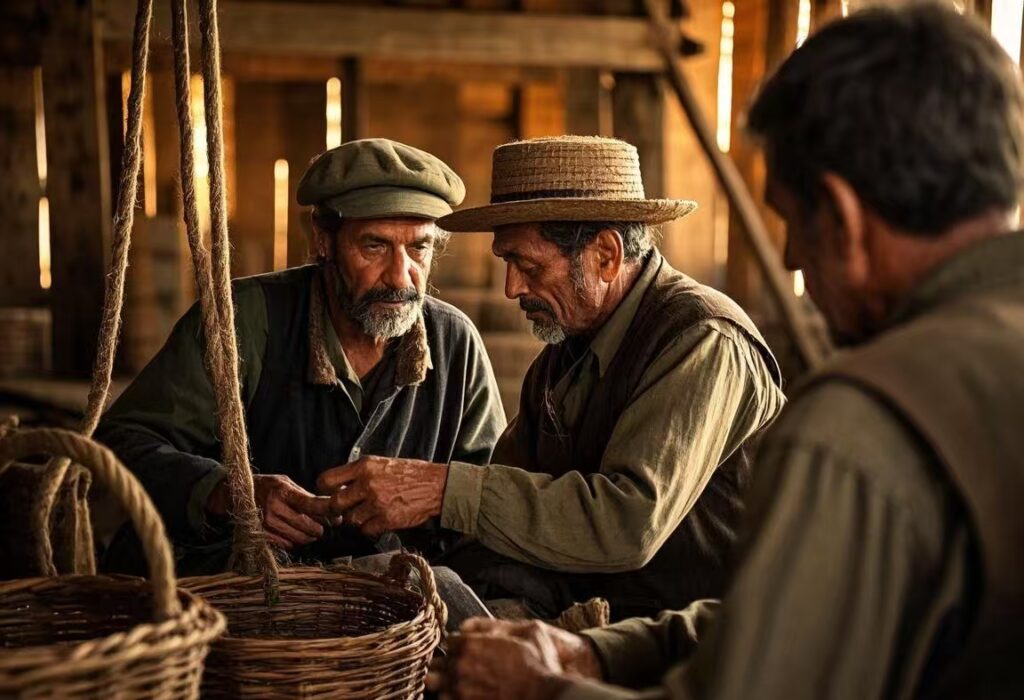
Throughout the late 1800s, farmers produced more crops than ever before, thanks to new farming technology and expanded farmland. However, this led to overproduction, causing crop prices to plummet.
🚜 Example:
- In 1873, a bushel of wheat sold for $1.06, but by the 1890s, it had dropped to around 60 cents.
- Cotton farmers saw prices drop from 11 cents per pound in 1876 to under 5 cents per pound in the early 1890s.
Since farmers had borrowed money to buy land and equipment, these low prices meant they couldn’t earn enough to pay off their debts.
3. High Railroad Shipping Costs
Farmers depended on railroads to ship their crops to market, but railroad companies took advantage of their power by charging high freight rates.
🚂 Why it was a problem:
- Railroads charged farmers more than big businesses.
- Some farmers paid more in shipping fees than they made selling crops.
- Since there were few transportation options, farmers had no choice but to pay.
These unfair practices left many farmers trapped in debt, as they spent more money shipping crops than they could afford.
4. The Gold Standard and Tight Money Supply
During this period, the U.S. economy was tied to the gold standard, meaning that the amount of money in circulation was limited by the amount of gold in the country.
💰 Why this hurt farmers:
- With less money in circulation, loans were harder to get.
- Interest rates were high, making debt more expensive.
- Farmers wanted the government to introduce silver currency (bimetallism) to increase the money supply, lower interest rates, and help them pay off debt.
The Populist Movement, which grew in the 1890s, pushed for the free coinage of silver as a solution, but it faced resistance from bankers and business elites.
5. Expensive Farm Equipment and Land Costs
As farming became more industrialized, farmers had to buy expensive new equipment, like steel plows and mechanized harvesters. Many took out loans to afford these tools, but when crop prices fell, they couldn’t make enough money to pay off their debt.
🌾 Common farming expenses in the 1890s:
- Land – Many farmers bought land on credit, expecting to pay it off with future crop sales.
- Equipment – Machines made farming easier but were expensive to purchase and maintain.
- Railroad fees & storage costs – Storing and transporting crops cut into profits.
For small farmers, these costs became too much to handle, leading to widespread foreclosures and bankruptcies.
6. Natural Disasters and Poor Harvests
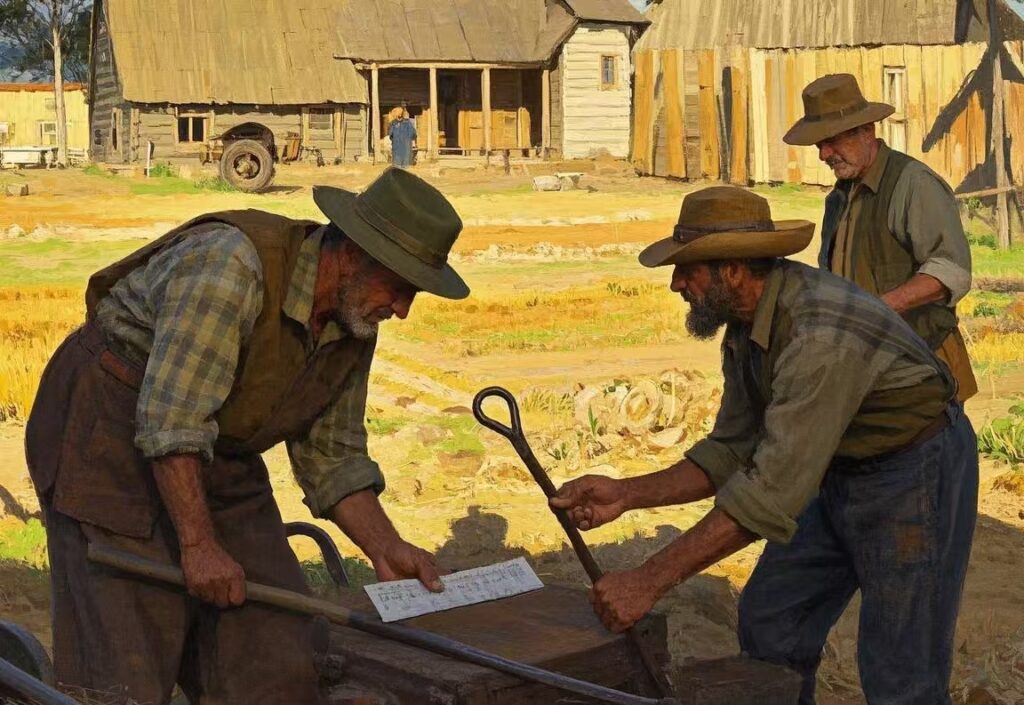
On top of economic struggles, farmers also battled nature. Droughts, floods, and pests destroyed crops, making it impossible to repay loans.
🌾 Examples of natural disasters:
- Droughts in the Great Plains left many fields barren.
- Grasshopper plagues wiped out crops in some areas.
- Harsh winters killed livestock and ruined harvests.
With no crops to sell, farmers fell deeper into debt, losing land and livelihoods.
Conclusion: A Struggle for Survival
Farmers in 1893 faced economic collapse, unfair railroad costs, falling crop prices, expensive loans, and natural disasters. Many joined the Populist Movement, demanding reforms like bimetallism (silver money), fair railroad rates, and financial relief.
Though times were tough, these struggles helped shape future agricultural policies in the U.S., leading to protections for farmers in the decades to come.
💭 What do you think? Would you have survived as a farmer in 1893? Let’s discuss in the comments! 🚜🌾