Corn is a staple crop in many gardens and farms, but timing is everything when it comes to planting. If you plant too early, cold soil can stunt growth. If you plant too late, you might miss the warm weather corn needs to thrive. So, when is the best time to plant corn? Let’s break it down!
1. The Best Time to Plant Corn
🌡 Check Soil Temperature First
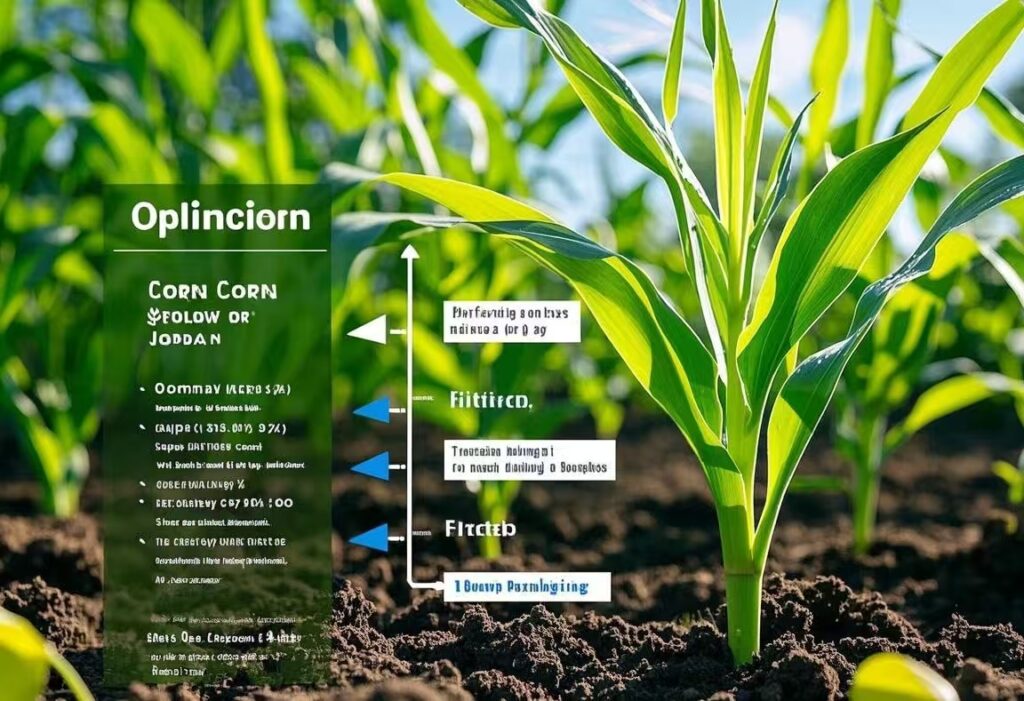
Corn seeds need warm soil to germinate properly. The ideal soil temperature should be at least 50°F (10°C), but for faster germination, aim for 60°F (15°C).
👉 Pro Tip: Use a soil thermometer to check the temperature at planting depth (1-2 inches deep).
📅 Spring Planting: The General Rule
- In most regions, plant corn 2 weeks after the last frost date when the soil has warmed up.
- In warmer climates, you can plant as early as March or April.
- In cooler climates, wait until late May or early June.
🌾 Succession Planting for Continuous Harvest
If you want fresh corn all season long, plant new seeds every 2 weeks until midsummer. This staggered planting ensures a steady harvest instead of all your corn ripening at once.
2. Factors That Affect Corn Planting Time
🌦 Weather Conditions
- Too Cold? Corn won’t germinate well below 50°F. Cold, wet soil can cause seeds to rot.
- Too Hot? If planted too late (mid to late summer), extreme heat can reduce pollination.
🌱 Corn Maturity Time
Different corn varieties take 60–100 days to mature. Check the seed packet for the “days to maturity” and plan accordingly to ensure your corn is ready before the first fall frost.
📍 Your Growing Zone Matters
- Southern U.S. (Zones 7-10): Plant as early as March-April.
- Midwest & Northern U.S. (Zones 4-6): Best planting time is April-June.
- Cooler Climates (Zones 3-4): Late May-June is best, with fast-maturing varieties.
3. Tips for a Healthy Corn Crop
✅ Plant in Blocks, Not Rows – Corn is wind-pollinated, so plant in short blocks rather than long rows for better pollination.
✅ Full Sun is Key – Corn loves at least 6-8 hours of direct sunlight daily.
✅ Water Consistently – Keep soil moist but not soggy, especially during germination and silking.
✅ Fertilize Wisely – Corn is a heavy feeder. Use a nitrogen-rich fertilizer (like compost or manure) to promote strong growth.
✅ Companion Planting – Grow corn with beans and squash (the “Three Sisters” method) for natural pest control and better soil health.
4. Final Thoughts: Plan for Success!
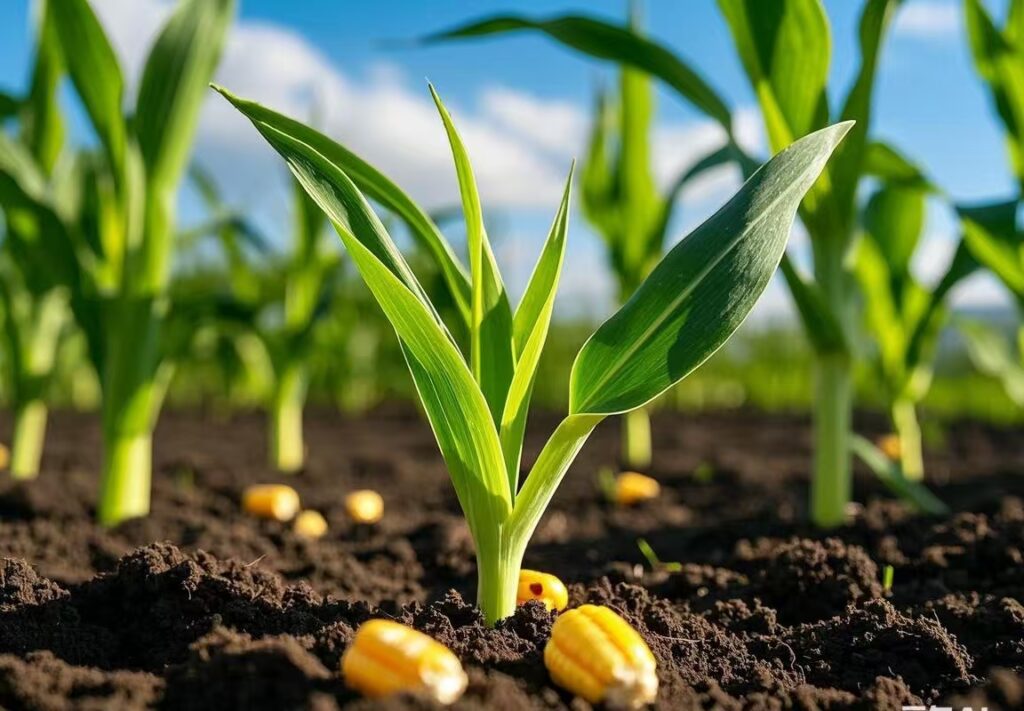
Planting corn at the right time is crucial for a healthy, abundant harvest. Watch your soil temperature, check your local frost dates, and choose the right variety for your climate. With proper care, you’ll enjoy fresh, sweet corn all summer long!
🌽 When do you plant corn in your area? Share your tips in the comments! 🚜✨