Dragonflies are among the most fascinating insects in the natural world, not only for their vibrant colors and unique hunting skills but also for their incredible aerodynamics. Unlike most insects that rely on simple wing movements, dragonflies have mastered the art of flight with a level of efficiency and control that engineers and scientists continue to study.
The Unique Wing Structure of Dragonflies
One of the key reasons dragonflies are so aerodynamic is their independent wing movement. Unlike butterflies or bees, which flap their wings in unison, dragonflies have two pairs of wings that can move independently. This gives them:
- Superior Maneuverability – They can hover like a helicopter, glide like an airplane, and even fly backward.
- Speed and Agility – Dragonflies can reach speeds of up to 35 mph (56 km/h), making them one of the fastest flying insects.
- Energy Efficiency – By adjusting their wing motion, they can conserve energy while flying, which is crucial for their long hunting periods.
How Dragonflies Use Aerodynamics to Hunt
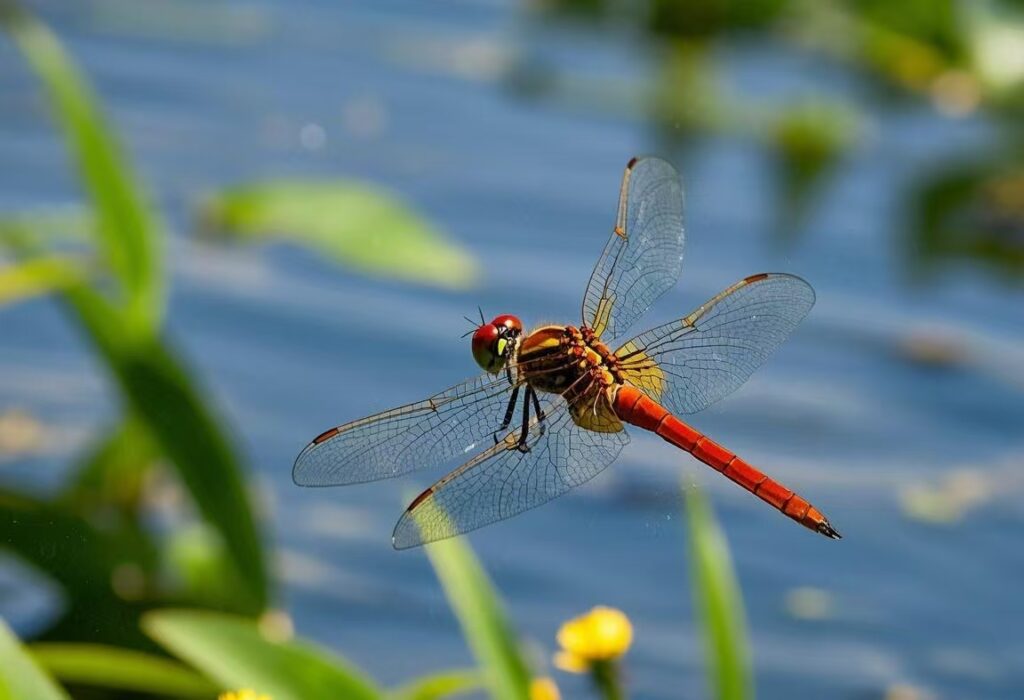
Dragonflies are not just fast—they are also some of the most precise predators in the insect world. Studies show that they have a 95% success rate when catching prey, such as mosquitoes, flies, and even smaller dragonflies. Their aerodynamic abilities allow them to:
- Track and intercept moving targets with pinpoint accuracy.
- Change direction instantly without losing stability.
- Hover in place while watching for prey.
Dragonflies Inspire Modern Technology
Because of their advanced aerodynamics, dragonflies have become a subject of study in robotics and engineering. Scientists are designing drone technology based on dragonfly flight mechanics to create more stable and energy-efficient flying machines. Their ability to move each wing independently is an inspiration for biomimetic robotics that aim to improve aerial maneuverability.
Final Thoughts
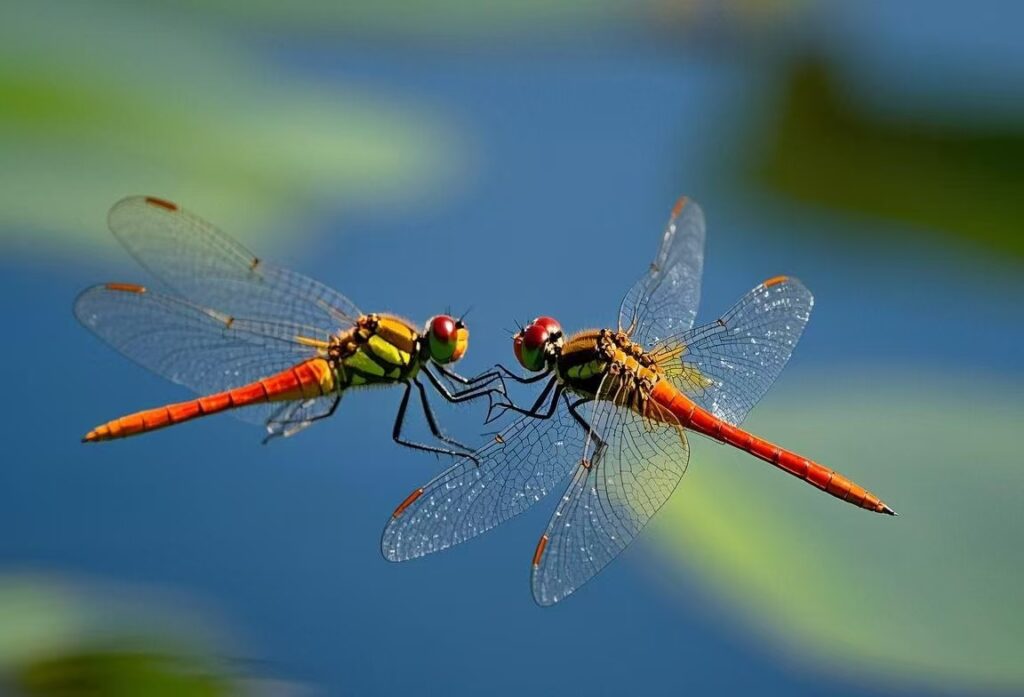
Dragonflies are aerodynamic marvels of nature. Their four independently moving wings give them unmatched agility, speed, and precision in the insect world. Whether hovering over a pond, darting through the air, or hunting with surgical accuracy, dragonflies are proof that nature often perfects aerodynamics long before humans even begin to understand it.