Have you spotted a plump, bright green caterpillar in your garden? These voracious eaters often turn into stunning butterflies or moths! From swallowtails to hornworms, large green caterpillars play vital roles in ecosystems—but some can also be garden pests.
In this guide, we’ll explore:
✔ How to identify common species
✔ Are they friend or foe to your plants?
✔ Safe relocation tips (no squishing required!)
✔ Fun facts about their transformations
🐛 Meet the Common Green Caterpillars
1. Tomato Hornworm (Manduca quinquemaculata)
- Appearance: Bright green with white “V” marks and a red horn
- Turns Into: Five-spotted hawk moth
- Diet: Devours tomato, pepper, and eggplant leaves
- Tip: Relocate to a sacrificial plant or let parasitic wasps control them
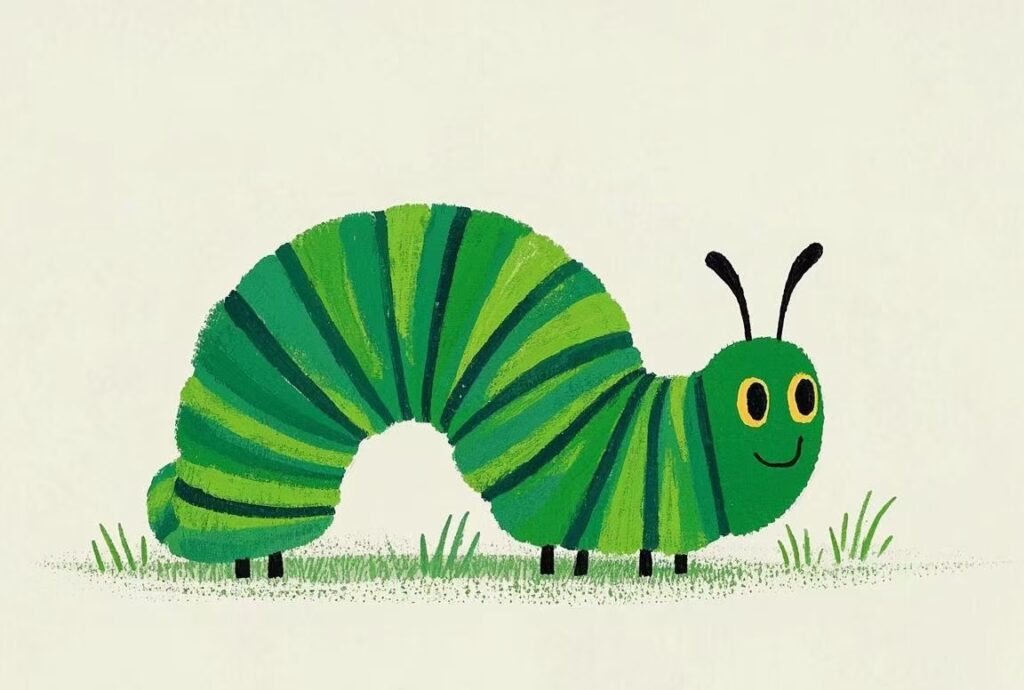
2. Luna Moth Caterpillar (Actias luna)
- Appearance: Lime green with sparse hairs and yellow stripes
- Turns Into: Gorgeous, pale green Luna moth
- Diet: Sweet gum, walnut, and birch leaves
- Tip: A beneficial native—leave it be!
3. Eastern Tiger Swallowtail Caterpillar (Papilio glaucus)
- Appearance: Green with fake “eyes” to scare predators
- Turns Into: Striking yellow-and-black butterfly
- Diet: Cherry, tulip tree, and ash leaves
- Tip: Protect these—they’re important pollinators
🌿 Are They Harmful?
✅ Good: Most become pollinators and are harmless
❌ Bad: Hornworms can defoliate crops quickly
🔄 Solution: Move pests to wild host plants (like nightshades)
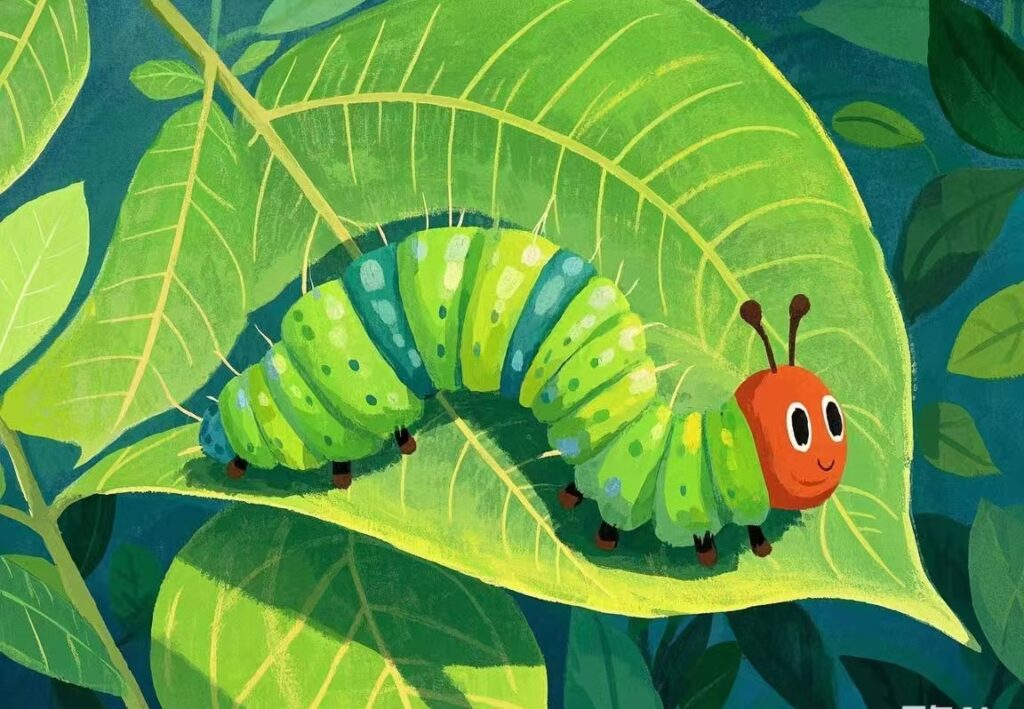
🔍 How to Safely Relocate Caterpillars
- Wear gloves (some species irritate skin)
- Use a stick or leaf to gently lift them
- Transfer to a weedy area or designated “sacrifice plant”
🦋 Fun Facts
- Some green caterpillars emit stinky fluids to deter predators
- A hornworm can eat 3X its weight daily
- Luna moth caterpillars spin silk cocoons in leaves