Hearing strange noises coming from your walls can be unsettling. Scratching, scurrying, or even faint chirping sounds might indicate that an uninvited guest has taken up residence in your home. While it’s natural to feel a bit alarmed, there’s no need to panic. Here’s a comprehensive guide to help you identify, address, and prevent an animal from living in your wall.
Step 1: Identify the Animal
The first step is to determine what kind of animal you’re dealing with. Different animals make distinct noises and leave behind specific signs. Here are some common culprits:
- Mice or Rats:
- Noises: Light scratching or scurrying, especially at night.
- Signs: Small droppings, chewed wires, or holes in walls.
- Behavior: Mice and rats are nocturnal and often seek warmth during colder months.
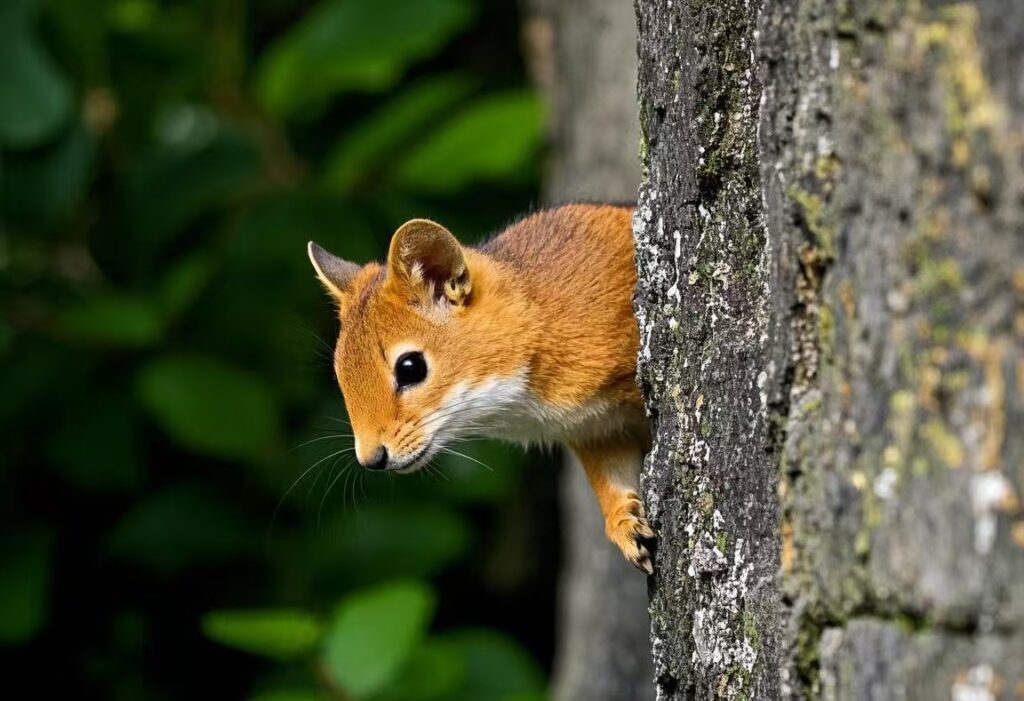
- Squirrels:
- Noises: Loud scratching or rolling sounds, often during the day.
- Signs: Larger entry points, chewed wood, or nesting materials like leaves.
- Behavior: Squirrels are active during the day and may build nests in walls.
- Bats:
- Noises: Fluttering or squeaking sounds, usually at dusk or dawn.
- Signs: Guano (bat droppings) near entry points or a musty odor.
- Behavior: Bats are nocturnal and often roost in attics or wall cavities.
- Birds:
- Noises: Chirping or flapping sounds, especially in the morning.
- Signs: Nests near vents or gaps in the roof.
- Behavior: Birds may enter walls through small openings and build nests.
- Raccoons or Opossums:
- Noises: Heavy thumping or dragging sounds, often at night.
- Signs: Larger entry points, torn insulation, or debris.
- Behavior: These animals are strong and can cause significant damage.
Step 2: Assess the Situation
Once you’ve identified the likely intruder, assess the situation to determine the best course of action:
- Is the animal trapped?: If the animal is stuck, it may be frantic and cause more damage trying to escape.
- Is it a single animal or a family?: Some animals, like raccoons or squirrels, may have babies in the wall, which requires careful handling.
- Are there health risks?: Animals can carry diseases or parasites, so avoid direct contact.
Step 3: Take Action
Here’s how to safely and humanely address the issue:
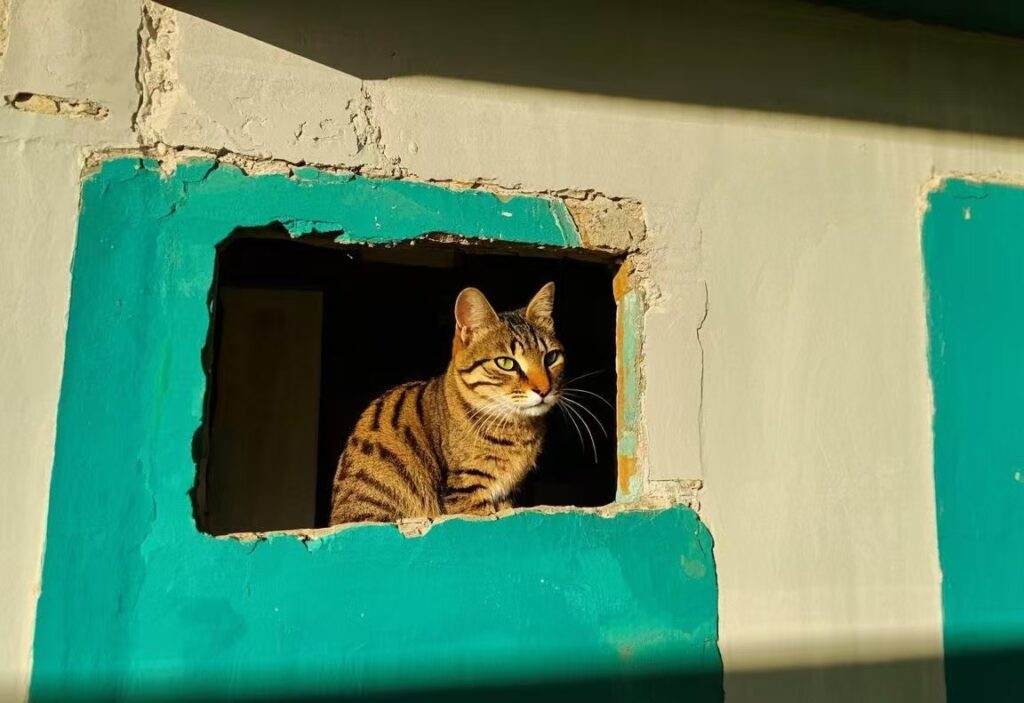
- Seal Entry Points:
- Inspect your home’s exterior for gaps, cracks, or holes. Seal them with sturdy materials like steel wool, caulk, or hardware cloth to prevent re-entry.
- Use Humane Traps:
- For smaller animals like mice or squirrels, consider using live traps. Place them near the entry point and check them regularly. Release the animal far from your home.
- Call a Professional:
- If you’re dealing with larger animals, like raccoons or bats, or if you’re unsure how to proceed, contact a wildlife removal expert. They have the tools and knowledge to handle the situation safely and humanely.
- Clean and Disinfect:
- Once the animal is removed, clean and disinfect the area to eliminate odors, droppings, or nesting materials. This will also deter other animals from moving in.
Step 4: Prevent Future Intrusions
Prevention is key to keeping your home animal-free:
- Trim Trees and Shrubs: Keep branches away from your roof to prevent animals from accessing your home.
- Secure Trash Bins: Use animal-proof lids to avoid attracting wildlife.
- Install Screens and Covers: Cover vents, chimneys, and other potential entry points with mesh or caps.
- Regular Inspections: Periodically check your home for signs of damage or new entry points.
Final Thoughts
Discovering an animal in your wall can be a stressful experience, but with the right approach, you can resolve the issue safely and effectively. Remember, animals are simply seeking shelter, so it’s important to handle the situation with care and compassion. By taking proactive steps, you can protect your home and ensure that both you and your uninvited guests can live in harmony—just not under the same roof!