Cabbage is a leafy green, red, or white biennial plant that belongs to the Brassica family, which also includes broccoli, cauliflower, and kale. Known for its dense-leaved heads, cabbage is a staple in cuisines around the world and has been cultivated for thousands of years. In this blog, we’ll explore the history, nutritional benefits, and culinary uses of this versatile vegetable.
A Brief History of Cabbage
Cabbage has a rich history that dates back to ancient times. It is believed to have originated in Europe and Asia, where it was cultivated as early as 1000 BC. The ancient Greeks and Romans valued cabbage for its medicinal properties, and it was later introduced to other parts of the world by explorers and settlers. Today, cabbage is grown globally and is a key ingredient in many traditional dishes.
Types of Cabbage
Cabbage comes in several varieties, each with its own unique flavor and texture:
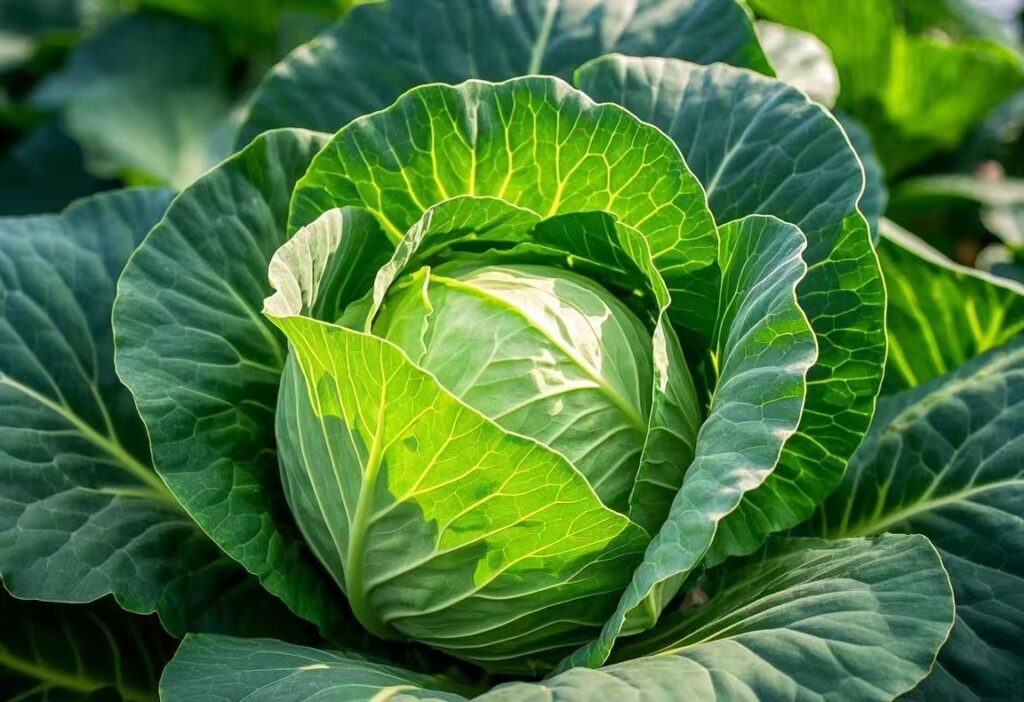
- Green Cabbage: The most common type, with smooth, pale green leaves. It’s often used in coleslaw, soups, and stir-fries.
- Red Cabbage: Known for its vibrant purple-red color, this variety is slightly peppery and is often used in salads and pickled dishes.
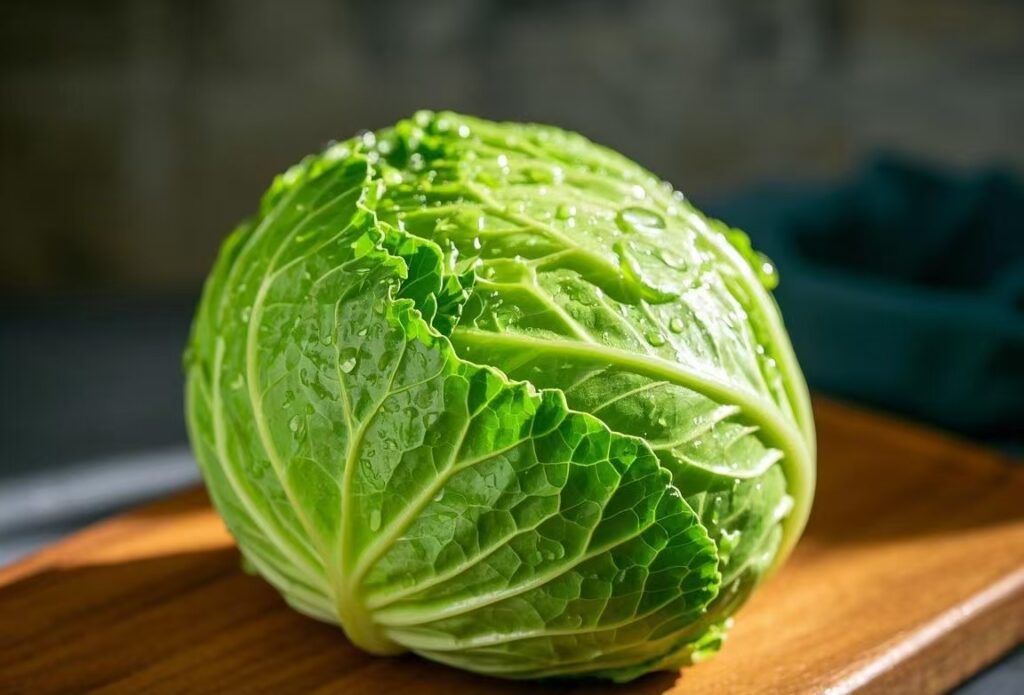
- Savoy Cabbage: Recognizable by its crinkled, dark green leaves, Savoy cabbage has a milder flavor and is great for stuffing or sautéing.
- Napa Cabbage: A staple in Asian cuisine, Napa cabbage has oblong, light green leaves and a delicate flavor. It’s commonly used in kimchi and stir-fries.
Nutritional Benefits of Cabbage
Cabbage is not only delicious but also packed with nutrients. Here are some of its health benefits:
- Rich in Vitamins and Minerals: Cabbage is an excellent source of vitamin C, vitamin K, and vitamin B6. It also contains folate, manganese, and potassium.
- High in Fiber: The fiber content in cabbage aids digestion and promotes gut health.
- Low in Calories: With only about 22 calories per cup, cabbage is a great addition to any weight-loss diet.
- Antioxidant Properties: Cabbage contains antioxidants like polyphenols and sulfur compounds, which help reduce inflammation and protect against chronic diseases.
Culinary Uses of Cabbage
Cabbage’s versatility makes it a favorite in kitchens worldwide. Here are some popular ways to enjoy it:
- Coleslaw: A classic side dish made with shredded cabbage, carrots, and a creamy or vinegar-based dressing.
- Sauerkraut: Fermented cabbage that’s tangy and rich in probiotics, often served with sausages or sandwiches.
- Stuffed Cabbage Rolls: Cabbage leaves are filled with a mixture of meat and rice, then baked in a savory sauce.
- Stir-Fries: Cabbage adds crunch and flavor to Asian-inspired stir-fries.
- Soups and Stews: Cabbage is a key ingredient in dishes like borscht, Irish stew, and minestrone.
Fun Facts About Cabbage
- Cultural Significance: In some cultures, cabbage is considered a symbol of prosperity and is eaten on New Year’s Day for good luck.
- World Records: The heaviest cabbage on record weighed over 138 pounds (62.7 kg)!
- Versatility: Cabbage can be eaten raw, cooked, fermented, or even juiced.
Conclusion
Cabbage is more than just a humble vegetable—it’s a nutritional powerhouse and a culinary chameleon. Whether you’re enjoying it in a crunchy salad, a hearty stew, or a tangy fermented dish, cabbage offers endless possibilities for delicious and healthy meals.