Introduction
If you’re a gardening enthusiast or just starting to explore the world of plants, you’ve likely come across the term “USDA Hardiness Zones.” This system is a crucial tool for gardeners to determine which plants are most likely to thrive in their specific region. Whether you’re planting flowers, vegetables, or trees, understanding your USDA zone can significantly improve your gardening success.
What Are USDA Hardiness Zones?
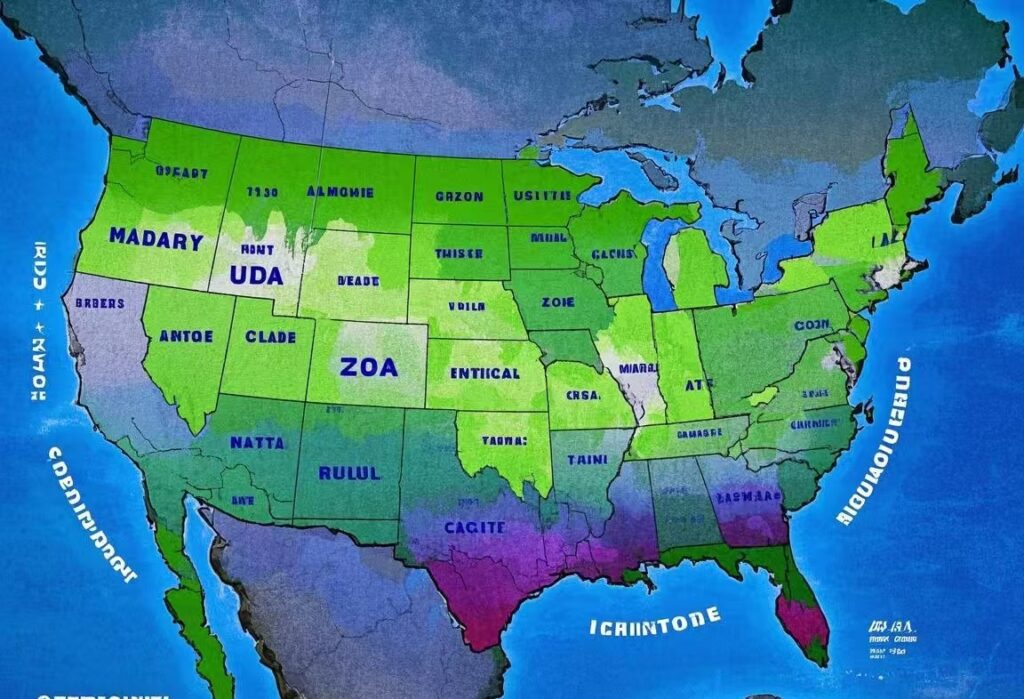
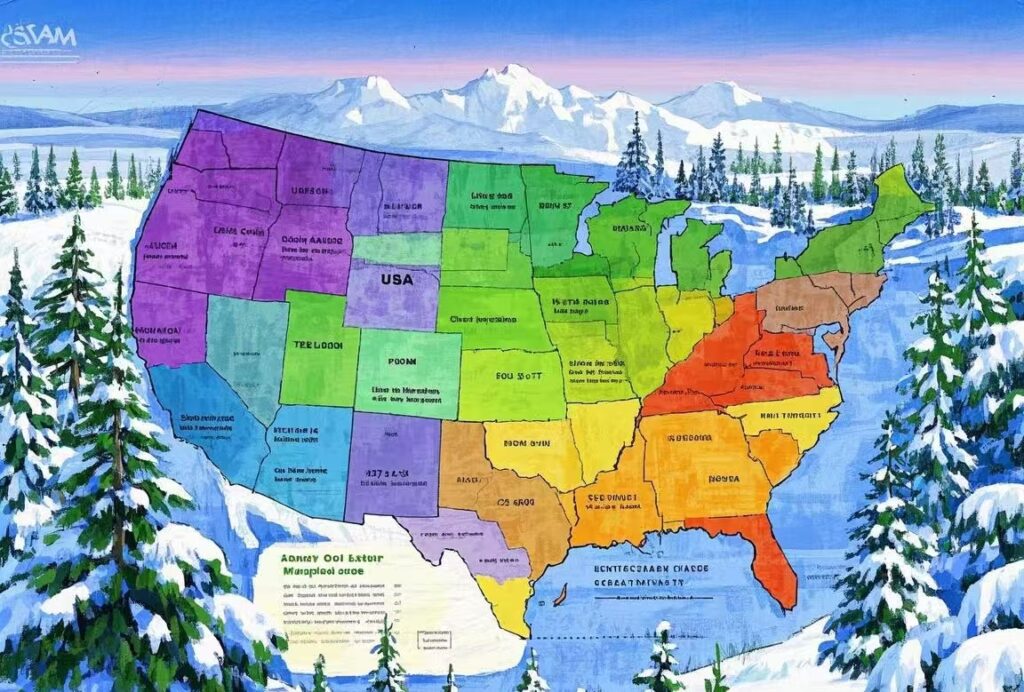
USDA Hardiness Zones are a geographic classification system developed by the United States Department of Agriculture (USDA) to help gardeners and growers identify which plants are most likely to survive and thrive in their specific climate. The system divides the United States and other regions into zones based on the average minimum winter temperature.
Each zone is assigned a number, ranging from 1 (coldest) to 13 (warmest), and is further divided into “a” and “b” subzones to provide even more precise information. For example, Zone 5a has a colder average minimum temperature than Zone 5b.
Why Are USDA Zones Important?
Understanding your USDA Hardiness Zone is essential for several reasons:
- Plant Survival: Different plants have different temperature tolerances. Knowing your zone helps you select plants that can withstand your area’s winter lows, reducing the risk of losing plants to frost damage.
- Garden Planning: By choosing plants suited to your zone, you can create a more resilient and low-maintenance garden. This ensures that your plants have the best chance of thriving year after year.
- Resource Efficiency: Planting the right plants for your zone reduces the need for excessive watering, fertilizing, or protective measures, saving you time and money.
How to Find Your USDA Zone
Finding your USDA Hardiness Zone is simple. The USDA provides an interactive map on its website where you can enter your zip code or browse the map to locate your zone. Many gardening websites and plant nurseries also reference USDA zones, making it easy to find zone-specific plant recommendations.
Tips for Gardening in Your Zone
- Choose Native Plants: Native plants are naturally adapted to your region’s climate and soil conditions, making them an excellent choice for your garden.
- Experiment with Microclimates: Even within your zone, your garden may have microclimates—small areas that are slightly warmer or cooler than the surrounding area. Use these to your advantage when planting more sensitive species.
- Consider Seasonal Changes: While USDA zones focus on winter temperatures, don’t forget to account for summer heat, rainfall, and other seasonal factors that can affect plant health.
- Stay Updated: Climate change can shift hardiness zones over time. Keep an eye on updates to the USDA map to ensure your gardening practices remain aligned with your region’s conditions.
Conclusion
USDA Hardiness Zones are an invaluable tool for gardeners of all experience levels. By understanding your zone and selecting plants accordingly, you can create a thriving, sustainable garden that brings joy and beauty to your outdoor space. So, before you start planting, take a moment to check your USDA zone—it’s the first step toward gardening success!
Happy gardening! 🌱