Urban and rural areas each offer unique lifestyles, experiences, and opportunities. While cities buzz with activity and innovation, rural areas provide a tranquil escape rooted in nature. Whether you’re a city dweller or a countryside enthusiast, understanding the differences between urban and rural life can help you appreciate the best of both worlds.
Life in Urban Areas
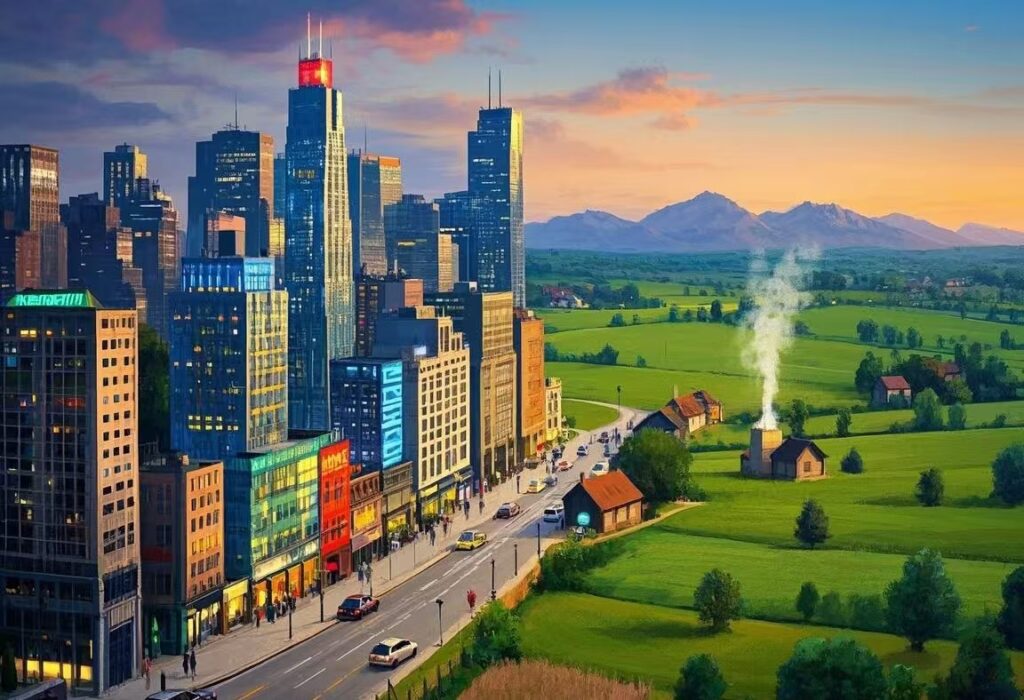
Urban areas are often characterized by dense populations, modern infrastructure, and a fast-paced lifestyle. Cities like New York, Tokyo, and London are prime examples of urban environments where people live, work, and socialize within bustling surroundings.
Key Features of Urban Life:
- Convenience: Cities offer a wide range of services like hospitals, schools, and shopping centers within close proximity.
- Job Opportunities: Urban areas attract businesses, offering diverse employment opportunities across industries.
- Cultural Diversity: The mix of people from various backgrounds leads to a rich cultural scene with restaurants, theaters, and festivals.
- Public Transportation: Efficient transit systems make commuting easier and more sustainable.
- Modern Amenities: High-speed internet, entertainment venues, and recreational facilities are easily accessible.
However, urban living can also come with challenges like high living costs, noise pollution, and traffic congestion. The fast pace may feel overwhelming to some, but it’s an environment where innovation and social interactions thrive.
Life in Rural Areas
On the other hand, rural areas offer a completely different experience. These regions are typically characterized by open spaces, lower population density, and a slower, more relaxed way of life. Think of charming villages, family farms, and scenic landscapes.
Key Features of Rural Life:
- Peace and Quiet: Away from the city’s hustle, rural areas provide a calming environment.
- Close-Knit Communities: Neighbors often know each other well, fostering a strong sense of community.
- Nature at Your Doorstep: Fresh air, greenery, and wildlife are part of daily life.
- Lower Living Costs: Housing and daily expenses are generally more affordable.
- Simple Living: Rural life encourages self-sufficiency, with many families growing their own food.
However, rural living may also pose challenges like limited access to healthcare, fewer job opportunities, and less modern infrastructure. Despite this, the slower pace allows for a balanced and fulfilling lifestyle, closer to nature.
Finding the Balance
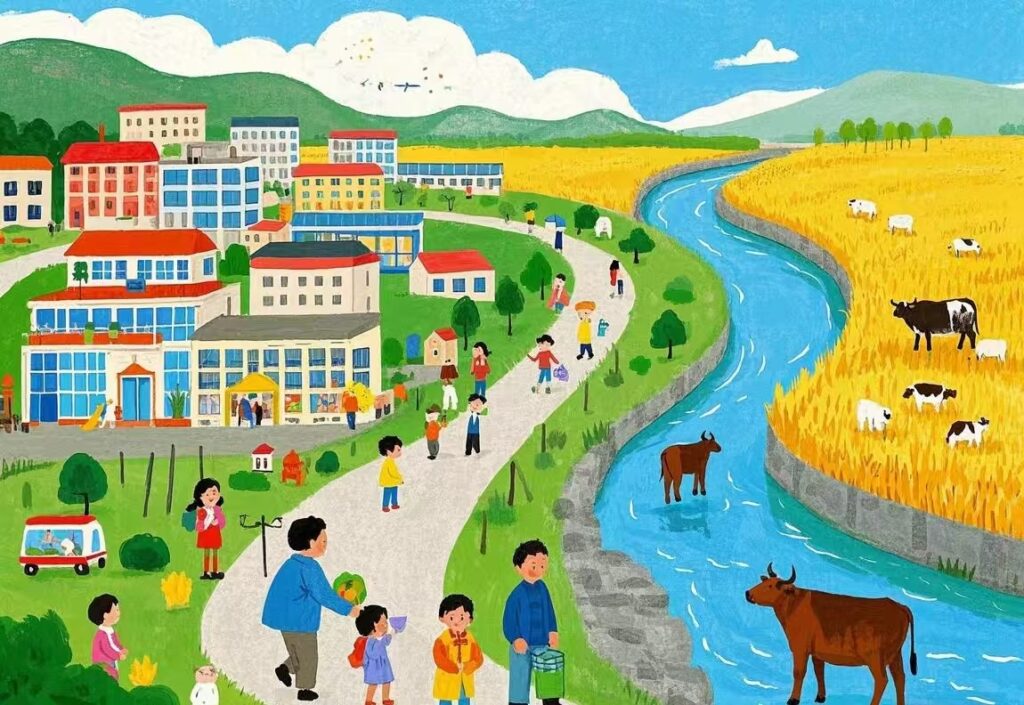
While some people thrive in urban environments, others find rural areas more fulfilling. Interestingly, the concept of “urban-rural blending” is becoming more popular, where people live in suburban areas that offer a mix of both lifestyles. Working remotely and improved transportation are making it easier for people to live in rural areas while still accessing urban amenities.
Final Thoughts
Choosing between urban and rural living ultimately depends on personal preferences and priorities. Urban areas appeal to those seeking convenience, career growth, and cultural experiences, while rural areas attract those who value tranquility, nature, and community connections.