In the lush farmlands of Washington state, potatoes are one of the most important crops, contributing significantly to the local economy. However, the health of potato plants is constantly threatened by various pests, with one of the most concerning being the potato psyllid (Bactericera cockerelli). This tiny insect has become a growing problem for farmers, causing both crop damage and economic losses. In this blog, we’ll dive into what the potato psyllid is, its impact on potato crops in Washington, and how farmers are dealing with this persistent pest.
What is the Potato Psyllid?
The potato psyllid is a small, winged insect about the size of a fruit fly, often found in fields of potatoes, tomatoes, and other related plants in the Solanaceae family. While its appearance may not be alarming at first glance, the potato psyllid carries with it a destructive potential that can lead to severe crop damage.
The potato psyllid feeds on the sap of potato plants, but its real danger lies in its ability to spread a harmful bacteria called Candidatus Liberibacter solanacearum. This bacterium causes potato zebra chip disease, which results in discoloration and quality issues in the potato tubers, rendering them unsellable in many cases.
The Potato Psyllid’s Impact on Washington
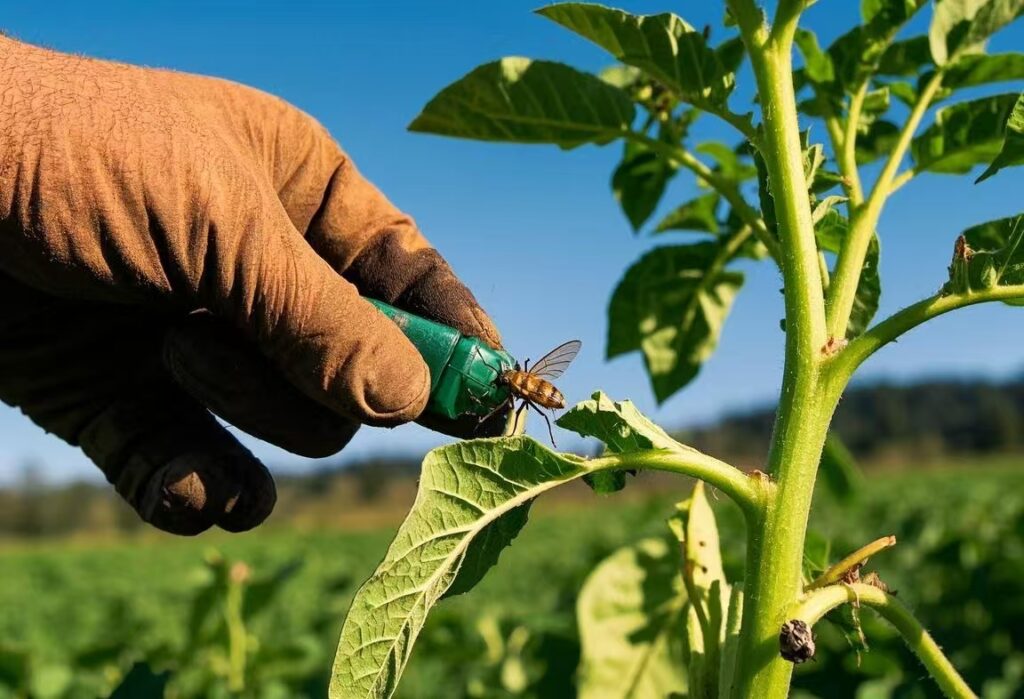
Washington state is one of the largest potato producers in the U.S., and the potato psyllid poses a serious threat to this industry. The pest has been found in various potato-growing regions of the state, particularly in areas with a warm climate, which is ideal for the psyllid’s survival and spread.
Here’s how the potato psyllid impacts Washington’s potato industry:
- Potato Zebra Chip Disease: As mentioned, the potato psyllid is a vector for the zebra chip bacteria. The symptoms of zebra chip disease include dark streaks or bands on the potato tubers, which occur when the plant is infected by the bacteria. These dark spots make the potatoes unappealing for consumers and unmarketable, which leads to significant losses for farmers.
- Decline in Potato Quality: Even if the potatoes are not severely affected by zebra chip disease, the feeding activity of the psyllid itself can stress the plant, leading to reduced tuber quality. This can reduce yield and make the crop less profitable.
- Increased Costs for Farmers: Managing the potato psyllid requires continuous monitoring, pesticide treatments, and in some cases, crop rotation or other integrated pest management strategies. These measures increase the cost of production and make farming less economically viable for some growers.
- Threat to Other Solanaceous Crops: In addition to potatoes, the psyllid also affects other crops in the Solanaceae family, such as tomatoes, peppers, and eggplants. This poses a risk not only to the potato industry but to other agricultural sectors in Washington as well.
How Farmers in Washington are Dealing with Potato Psyllids
Given the severity of the potato psyllid problem, Washington’s potato farmers have been working diligently to manage and mitigate the pest’s impact. Here are some of the strategies being used:
- Monitoring and Early Detection: Early detection of potato psyllids is crucial for effective management. Farmers in Washington use traps and regular field scouting to monitor psyllid populations. By identifying infestations early, they can act quickly to reduce the spread of the pest and prevent the onset of zebra chip disease.
- Integrated Pest Management (IPM): IPM strategies are often employed to minimize the use of chemical pesticides and promote sustainable farming practices. These strategies include rotating crops, using psyllid-resistant potato varieties, and introducing natural predators of the psyllid into the ecosystem.
- Pesticide Application: In cases where the infestation is severe, farmers may resort to applying insecticides to control the psyllid population. However, pesticides are used cautiously, as overuse can harm beneficial insects and lead to resistance in the psyllid population.
- Collaboration and Research: The Washington State Potato Commission and local agricultural research institutions are actively researching new ways to combat the potato psyllid. This includes developing new pest-resistant potato varieties and better pest management techniques.
- Education and Awareness: Ongoing education for farmers is essential to ensuring they stay informed about the latest research and best practices for managing potato psyllids. Workshops, webinars, and extension services are vital in equipping growers with the tools they need to tackle this challenge effectively.
Looking Ahead: The Future of Potato Farming in Washington
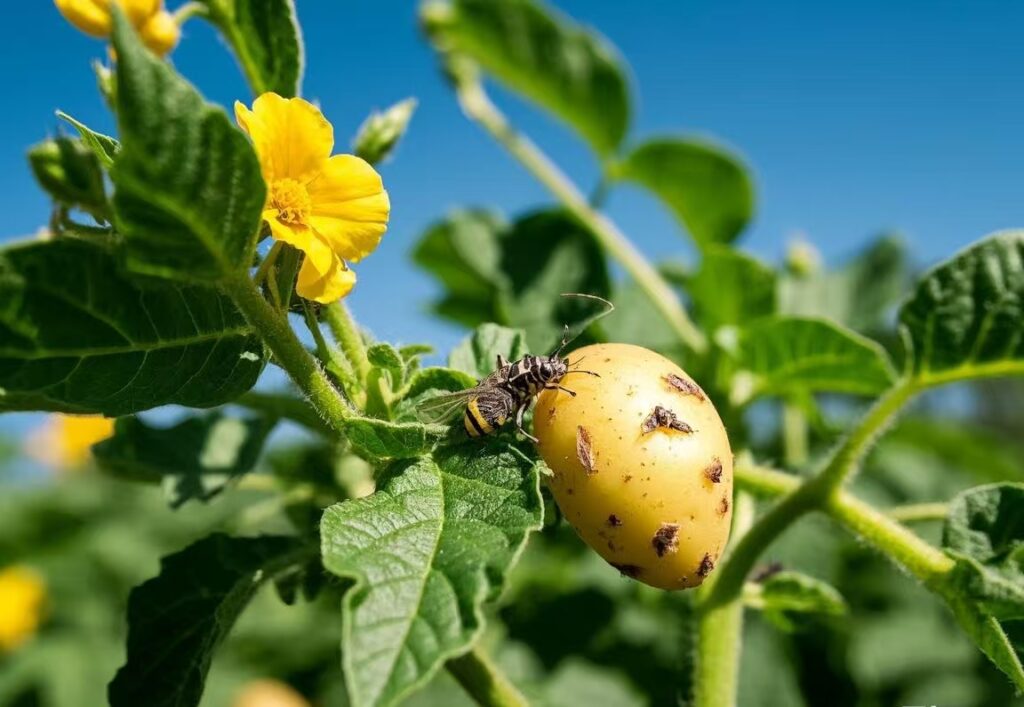
As the potato psyllid continues to be a major threat to Washington’s potato industry, farmers and researchers remain dedicated to finding solutions. Advances in pest management, new potato varieties, and effective monitoring systems are crucial for minimizing the damage caused by this pest.
In the future, it is likely that Washington will see a combination of new technological solutions and sustainable farming practices designed to control the potato psyllid without compromising the health of the environment or the profitability of the farming industry. By investing in research and maintaining a strong focus on integrated pest management, Washington’s potato farmers can ensure that their crops remain healthy and productive, despite the ongoing challenges posed by pests like the potato psyllid.
Conclusion: Managing the Potato Psyllid in Washington
The potato psyllid has become a major pest for Washington’s potato farmers, causing significant economic losses and threatening the quality of the state’s potato crop. However, through early detection, integrated pest management, and continued research, farmers are finding ways to manage the pest and minimize its impact. While the fight against the potato psyllid is far from over, the resilience and innovation of Washington’s farming community will play a key role in ensuring that the state remains a leading producer of high-quality potatoes for years to come.