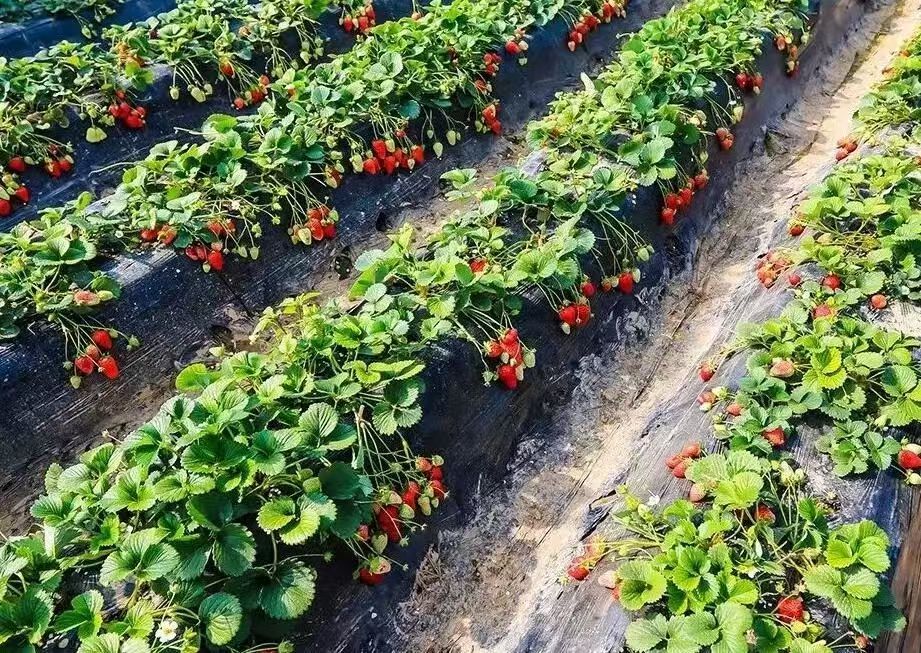
If you’ve ever wandered through a garden center or browsed through a seed catalog, you may have come across the term “planting zones” or “hardiness zones.” But what exactly does it mean, and how can it help you create a thriving garden? Let’s dive into the concept of planting zones and how they influence your gardening success.
What Are Planting Zones?
Planting zones, also known as hardiness zones, are regions that are categorized based on the climate and weather conditions of a particular area. The United States Department of Agriculture (USDA) developed the USDA Hardiness Zone Map, which divides the country into 13 zones, each representing a range of temperatures that a particular plant can endure.
Each zone is separated by 10°F (about 5.5°C) and is numbered from 1 to 13. Zones 1 and 2 are the coldest, while zones 11 through 13 are the warmest. In addition to the USDA zones, there are also micro-zones that can affect local ar
Why Are Planting Zones Important?
Understanding your planting zone is crucial because it helps you select the right plants for your area. Plants are adapted to thrive within a certain range of temperatures, and choosing plants that are hardy to your zone ensures that they have the best chance to grow, flower, and fruit successfully. If you plant something that’s not suited to your zone, you risk it failing to survive the extreme cold or heat in your area.
Additionally, planting zones also provide insight into your local growing season. For example, in colder zones (like Zone 3 or Zone 4), the growing season is shorter because of the earlier frost dates. In warmer zones (such as Zone 9 or Zone 10), plants can often grow year-round, allowing gardeners to experiment with a wider range of species.
How to Determine Your Planting Zone
To determine your planting zone, you can use an online map tool like the USDA Hardiness Zone Map, which allows you to find your zone by simply entering your location. Climate zones can also vary slightly in specific localities due to factors like elevation, proximity to bodies of water, and urban heat islands.
You’ll also want to take note of your first and last frost dates, which can give you a more detailed picture of the growing season in your area. This helps to plan when to plant, especially for crops that are sensitive to frost or need a long, warm season to mature.
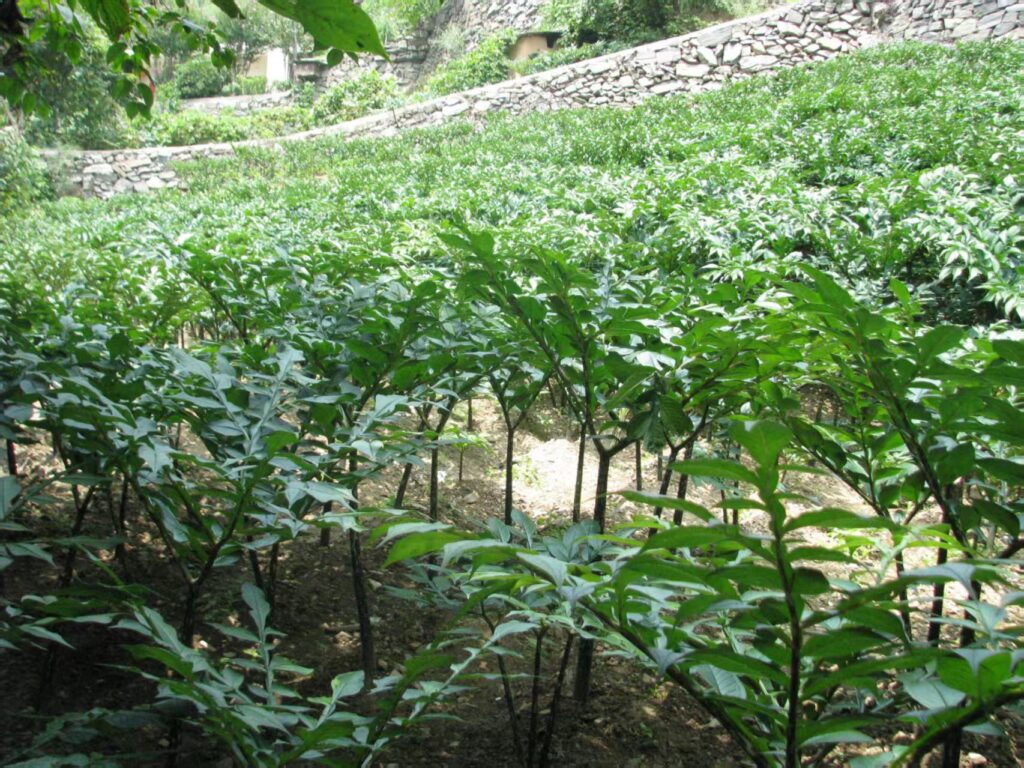
Choosing Plants for Your Zone
Once you know your planting zone, you can start selecting plants that are suitable for your climate. The key is to look for plants that are hardy to your specific zone or even a bit beyond. For instance, if you’re in Zone 5, you may have success growing plants hardy to Zone 5, 6, or even 7, depending on the plant and the local microclimate.
Some plants that are commonly grown in various zones include:
- Cold zones (1-3): Perennials like lavender, peonies, and hardy shrubs, as well as cold-hardy vegetables like kale and broccoli.冷区
- Moderate zones (4-6): Many popular flowering plants like roses, hostas, and sunflowers, as well as fruiting plants like apples and cherries.中温带
- Warm zones (7-9): Mediterranean herbs like rosemary and thyme, tropical plants like bananas and palms, and fruits such as citrus and avocados.
- Hot zones (10-13): Cacti, succulents, and many varieties of tropical flowers, as well as fruits like mangoes, papayas, and lychees.
Other Factors That Affect Plant Growth
While planting zones provide a useful guideline, they are not the only factors that affect plant growth. Other considerations include:
- Soil Type: Some plants prefer well-drained soil, while others thrive in heavy, clay-rich soils.
- Sunlight: Most plants need a certain amount of sunlight daily—whether full sun, partial sun, or shade.
- Watering Needs: Some plants require a lot of water, while others, like succulents, are drought-tolerant.
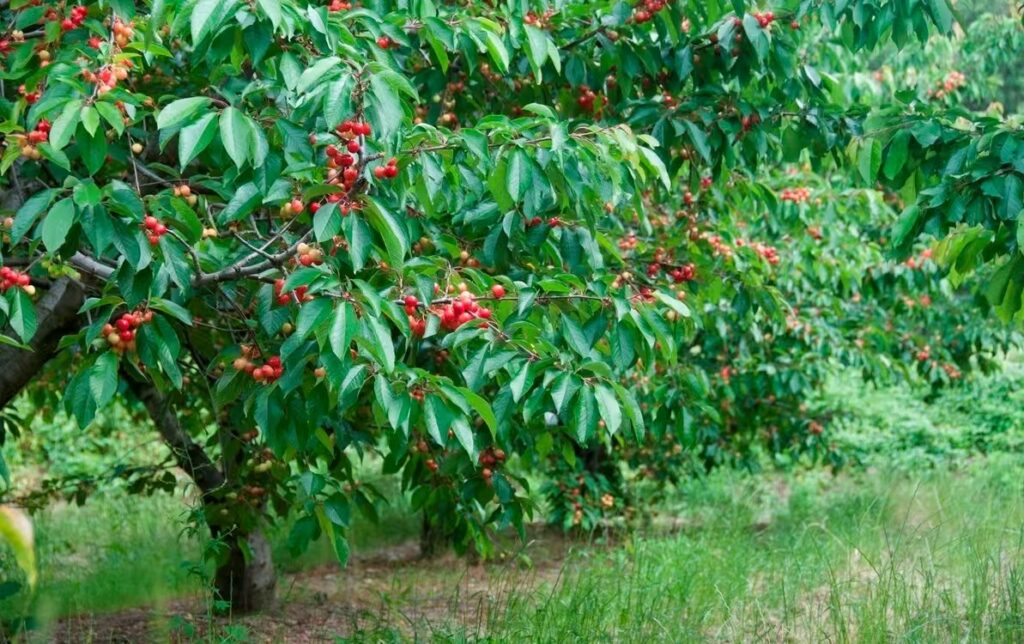
Planting zones are an essential tool for gardeners and farmers, providing valuable information on which plants will thrive in your specific climate. By understanding the USDA Hardiness Zone Map and choosing plants that are suited to your zone, you can create a garden that is both beautiful and productive. Whether you’re growing flowers, vegetables, or fruit trees, choosing plants that are adapted to your local conditions will ensure the best results and help your garden flourish year after year.