There’s no flower quite like the tulip to herald the arrival of spring. With its vibrant colors and elegant shape, the tulip has become a symbol of renewal, beauty, and hope. Whether you’re a seasoned gardener or simply someone who appreciates the natural beauty of flowers, tulips are a wonderful addition to any garden, and they bring joy to both garden beds and floral arrangements alike.
In this blog, we will explore the history, varieties, care tips, and some fun facts about tulips—showing you why they are considered one of the most beloved flowers in the world.
The History of Tulips
Tulips have a fascinating history that stretches back centuries, originating from the mountainous regions of Central Asia. They were introduced to Europe in the 16th century, thanks to the Dutch. The name “tulip” itself comes from the Turkish word “tulbend,” which means “turban,” because of the flower’s shape resembling the folds of a turban.
Tulips quickly became a symbol of wealth and prestige in Europe, particularly during the Dutch Golden Age in the 17th century. In fact, there was a period in Dutch history known as “Tulip Mania,” where the price of tulip bulbs soared to incredible heights. During this time, tulips were seen as a status symbol, and people would spend astronomical amounts of money to own them. While the tulip market eventually crashed, the flower’s popularity has never faded, and it remains a favorite worldwide.
The Beauty and Varieties of Tulips
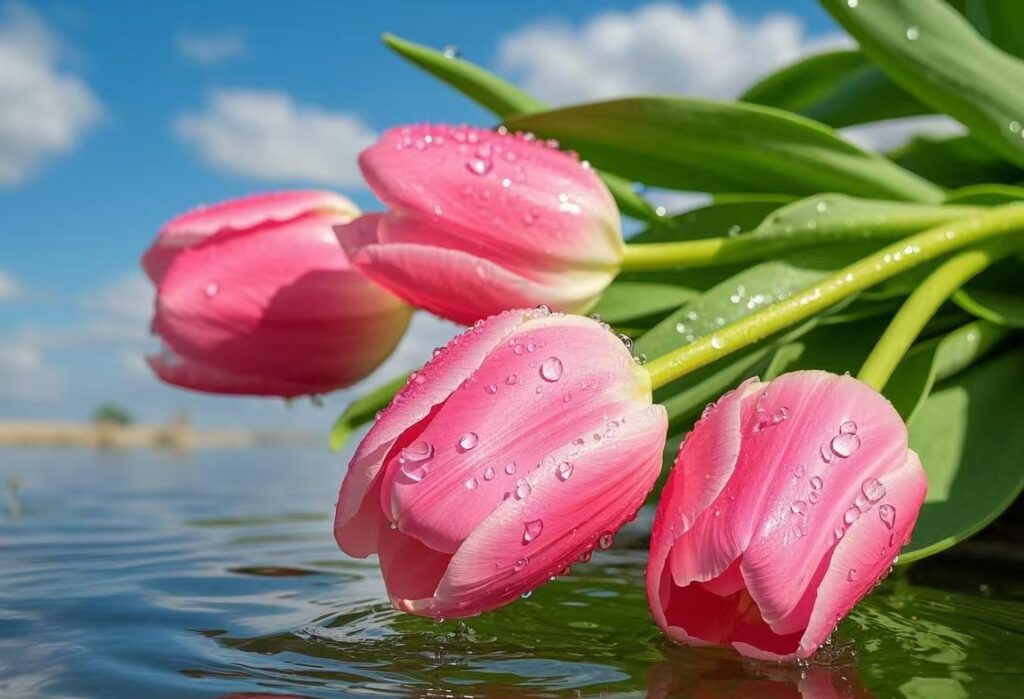
One of the most appealing aspects of tulips is their wide range of colors and shapes. Whether you prefer bold and bright hues or subtle pastel shades, there is a tulip for every taste. Some of the most popular varieties include:
- Single Late Tulips: These are the classic tulips that many people imagine when they think of the flower. Known for their large, vibrant blooms, they come in a variety of colors such as red, yellow, pink, and purple.
- Fringed Tulips: Fringed tulips are unique because of their delicate, feathery edges. These tulips have a more intricate, almost lace-like texture and are often seen in shades of white, pink, and lavender.
- Parrot Tulips: These tulips have a striking, ruffled appearance and are often multi-colored, with combinations of reds, yellows, and oranges. Their unusual petal shapes make them stand out in any garden.
- Double Tulips: These tulips resemble peonies with their full, multi-layered petals. They tend to have a more elegant, rounded shape and are often found in shades of white, pink, and yellow.
- Darwin Hybrid Tulips: Known for their large, sturdy flowers and tall stems, Darwin hybrid tulips are often used in flowerbeds and as cut flowers. These tulips bloom in rich, saturated colors such as bright red, orange, and purple.
- Tulip Species (Botanical Tulips): These are the wild tulips that have a more natural, delicate form. They are smaller in size and come in a variety of colors, including pink, yellow, and orange.
No matter the variety, tulips are known for their graceful, sleek petals and striking appearance, making them perfect for adding a pop of color to your garden.
How to Grow and Care for Tulips
Tulips are relatively easy to grow and care for, making them a great choice for both beginner and experienced gardeners. Here’s a guide to getting the most out of your tulip garden:
- Planting Tulip Bulbs: Tulips are typically planted in the fall, about 6 to 8 weeks before the first frost. This allows the bulbs to establish roots before the ground freezes. Plant the bulbs about 6 to 8 inches deep, with the pointed end facing upward. Ensure that the soil is well-draining to prevent waterlogging, as tulips do not thrive in overly wet conditions.
- Choosing the Right Location: Tulips prefer full sun or partial shade. A sunny spot in your garden will encourage robust growth and vibrant blooms. Avoid planting tulips in overly shaded or damp areas, as these conditions can cause them to weaken or not bloom at all.
- Watering and Fertilizing: After planting your tulip bulbs, water them thoroughly to help settle the soil around the bulbs. Tulips need moderate watering during their growing season. Once they begin to bloom, ensure they get enough water, especially during dry periods. However, be careful not to overwater them, as tulips are susceptible to root rot.A balanced fertilizer can be applied in the spring, just as the tulips begin to sprout. This will encourage strong growth and help the plants produce vibrant blooms.
- Caring for Tulips After Blooming: Once your tulips have bloomed and their petals start to fade, it’s important to let the leaves remain in place until they naturally yellow and die back. This allows the plant to store energy in the bulb for next year’s growth. While you can cut back the spent flower stems, avoid cutting the leaves until they’ve fully withered.If you’re planning to leave the bulbs in the ground for next year, it’s best to add a layer of mulch around them to protect the bulbs from extreme weather during the winter months.
- Overwintering Tulips: In colder climates, it’s a good idea to dig up your tulip bulbs in late spring or early summer and store them in a cool, dry place until fall. This ensures that the bulbs stay healthy and strong for the following year’s planting.
Fun Facts About Tulips
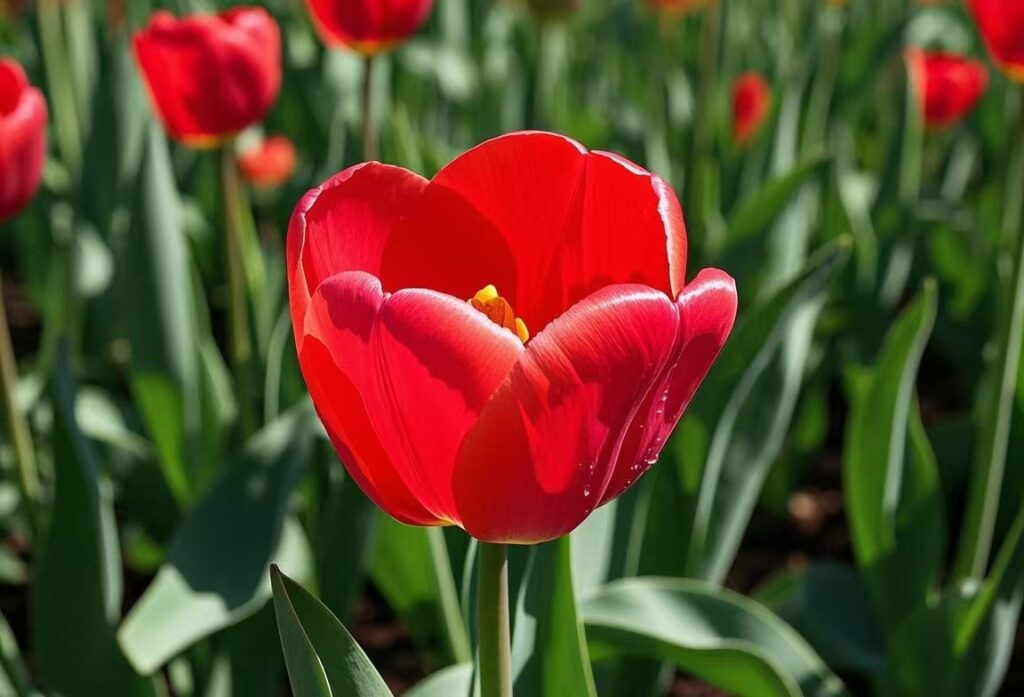
- Tulips are not just for spring! While tulips are traditionally associated with springtime, some varieties, such as the “Fosteriana” or “Species” tulips, can bloom as early as late winter, providing some color even during the colder months.
- Tulips come in almost every color! From vibrant reds to soft pinks, purples, whites, and even bi-colored varieties, tulips are available in a rainbow of hues. However, blue tulips don’t naturally occur, though there are purple varieties that look similar to blue.
- Tulips symbolize different things. In the language of flowers, also known as floriography, tulips symbolize perfect love. The color of the tulip can change its meaning—red tulips represent true love, yellow tulips convey cheerfulness, and purple tulips stand for royalty and elegance.
- Tulips are edible! While tulips are generally grown for ornamental purposes, the petals of tulips are edible and have a mild, sweet flavor. They can be used as garnishes in salads or desserts.
Conclusion
Tulips are more than just a flower—they are a symbol of the beauty and promise of spring. Their diverse varieties, easy cultivation, and vibrant colors make them a favorite among gardeners and flower lovers worldwide. Whether you’re planting a garden full of tulips or simply adding a few stems to a vase, these flowers are sure to bring joy and elegance to any space. So, grab a few bulbs and start planting—your garden will thank you in the spring!