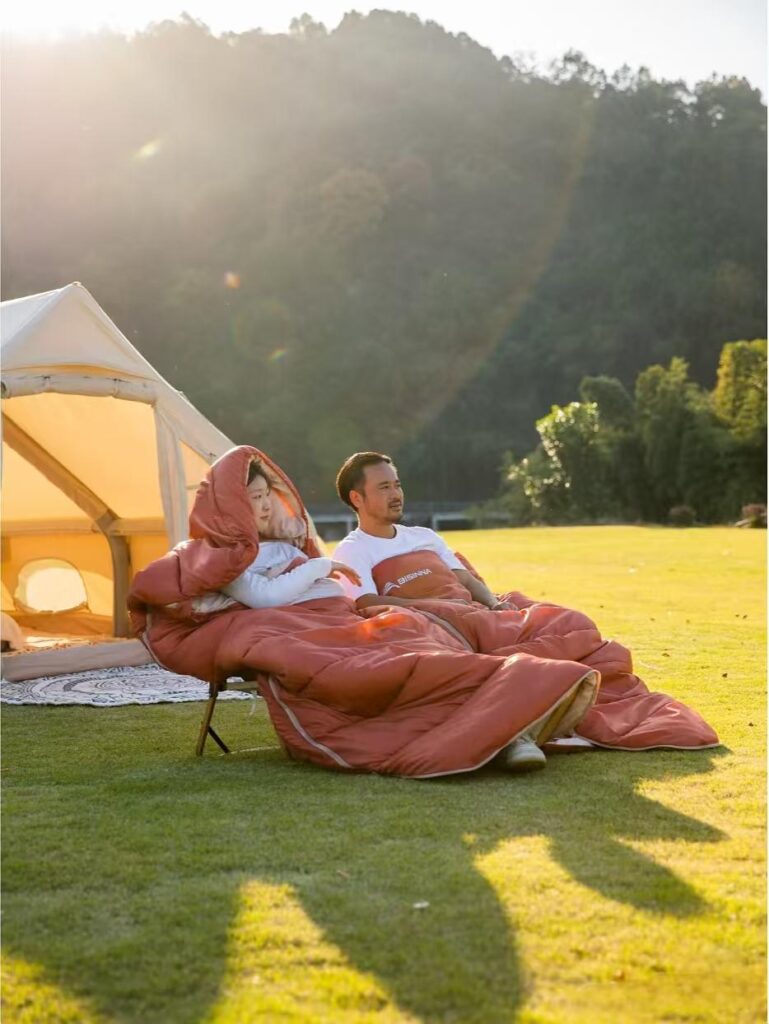
Camping is one of the most rewarding ways to connect with nature, enjoy the great outdoors, and take a break from the hustle and bustle of daily life. Whether you’re heading out for a weekend getaway or embarking on a week-long adventure, one thing is for certain: your camping tent is one of the most important pieces of gear you’ll need. A good camping tent can make all the difference between a comfortable, enjoyable experience and a stressful, sleepless night in the wilderness.
In this blog, we’ll explore everything you need to know about camping tents: the different types, key features to consider, how to choose the right one for your needs, and tips for setting it up. Let’s dive in!
Types of Camping Tents
The first step in choosing the right camping tent is understanding the different types available. Depending on your needs, preferences, and the environment in which you’ll be camping, certain types of tents may be better suited for your adventure.
1. Dome Tents
Dome tents are the most popular type of camping tent. They feature a simple structure with curved poles that form a dome shape, providing excellent stability and headroom. They are suitable for a wide range of conditions, from light camping in the backyard to more rugged camping in moderate weather. Dome tents are usually lightweight and easy to set up, making them ideal for beginner campers.
2. Cabin Tents

Cabin tents are larger, more spacious tents designed to provide the comfort and roominess of a small cabin. These tents have straight walls, which create a taller interior, making them perfect for families or groups who need more space. They typically feature multiple rooms, windows, and even gear lofts for extra storage. If you’re planning a camping trip with a large group or your family, a cabin tent offers the space and comfort needed for a home-like experience in the outdoors.
3. Tunnel Tents
Tunnel tents are designed with a series of connected arches or poles that form a tunnel shape. These tents offer more space and are ideal for camping in regions with high winds, as the structure is aerodynamic. Tunnel tents can be a bit more difficult to set up compared to dome tents but provide exceptional weather protection and space for longer camping trips.
4. Backpacking Tents
If you’re hiking or backpacking to your campsite, a lightweight, compact backpacking tent is a must. These tents are designed to be ultra-light and easy to carry, without compromising on essential weather protection. While they may not be as spacious as other types of tents, backpacking tents offer the perfect balance between weight, durability, and comfort for the minimalist camper.
5. Geodesic Tents
Geodesic tents are designed with multiple intersecting poles that form a strong, stable structure. They are ideal for extreme weather conditions and mountaineering adventures, as they can withstand heavy winds, snow, and rain. These tents are often used by more experienced campers or those who need a tent capable of handling harsh environments.
6. Pop-up Tents
Pop-up tents are an excellent choice for those who value convenience. These tents are designed to spring open automatically, requiring little to no assembly. While pop-up tents are perfect for short-term trips or festivals, they tend to be less durable and may not offer the same level of protection as more traditional tents.
Key Features to Look For
When choosing a camping tent, it’s important to consider the following features to ensure that your tent will meet your specific needs:
1. Size and Capacity
Tents come in various sizes, from small two-person tents to large tents designed for families. Consider how many people will be using the tent and whether you want extra space for gear, pets, or comfort. It’s generally a good idea to choose a tent with a higher capacity than your group size, so everyone has enough room to move around comfortably.
2. Weather Resistance
Your tent should offer adequate protection against the elements. Look for tents that have a waterproof rating (usually listed in millimeters) to ensure that it can handle rain and moisture. Also, consider the tent’s ventilation features, such as mesh windows or vents, to keep the interior dry and well-ventilated in humid conditions.
3. Weight
The weight of the tent is especially important if you plan to hike or backpack to your camping site. Backpacking tents are designed to be lightweight and compact, while car camping tents can afford to be larger and heavier. Make sure the weight is manageable for your camping style, whether you’re driving to a campsite or trekking for miles on foot.
4. Setup and Take-Down
Ease of setup is a major consideration when choosing a tent. Some tents are incredibly simple to pitch, while others require a bit more effort. Dome tents and pop-up tents are typically the easiest to set up, while geodesic tents and tunnel tents may take more time. If you’re a first-time camper, look for a tent that offers quick and simple setup.
5. Durability
A camping tent should be made of durable materials to withstand wear and tear from the outdoors. Look for tents with strong, reinforced seams, a sturdy frame, and high-quality fabric that resists punctures and rips. Additionally, check for good-quality zippers and stakes to ensure the tent stays secure in various weather conditions.
Tips for Setting Up Your Tent
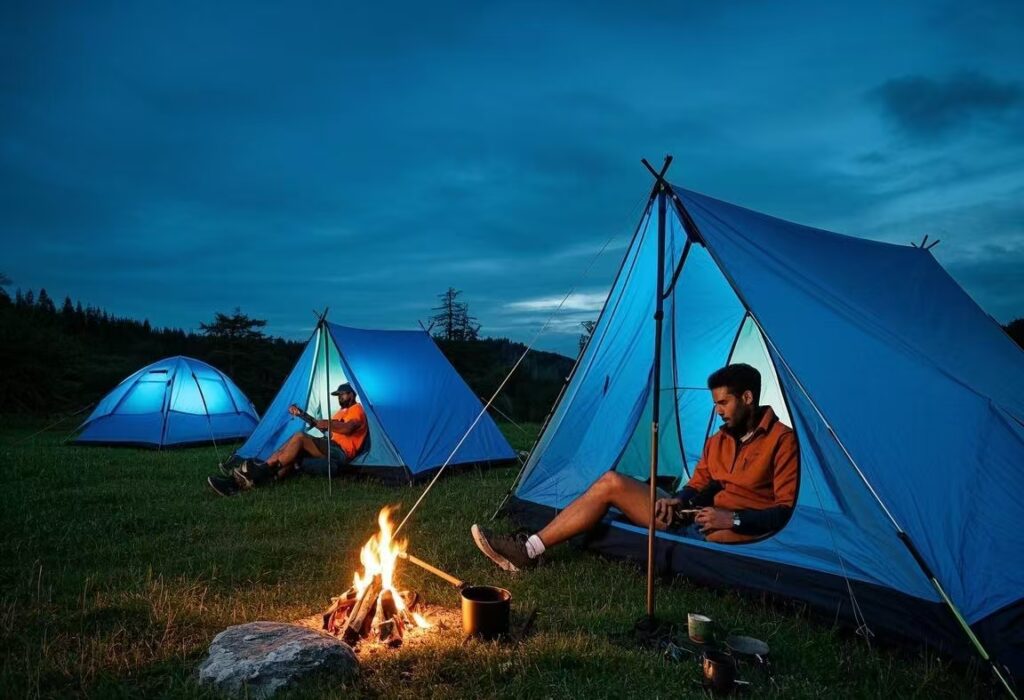
Setting up a tent correctly is essential for ensuring your comfort and safety during your camping trip. Here are some useful tips:
- Choose a Flat, Dry Spot: Select a flat, dry area for your tent, away from potential hazards such as rocks, tree roots, or low-lying areas that might collect water.
- Use a Ground Tarp: Lay down a ground tarp or footprint beneath your tent to protect the fabric from sharp objects and moisture. This will help extend the life of your tent.
- Stake It Down Properly: Make sure to stake down your tent securely, especially if the weather is windy. Tighten all the guylines and use extra stakes if needed for added stability.
- Ventilate Properly: Ensure that your tent has enough ventilation to prevent condensation build-up inside. Open the windows or vents, especially during humid nights.
- Test It Before the Trip: Before heading out on your adventure, practice setting up your tent at home. This will help you become familiar with the process and ensure everything is in working order.
Conclusion
A good camping tent is an investment that can make or break your outdoor experience. By understanding the different types of tents, key features to look for, and tips for setting up, you can select the perfect tent for your needs and ensure a comfortable and enjoyable camping trip. Whether you’re a seasoned camper or a first-time adventurer, the right tent will provide you with the protection and peace of mind needed to fully enjoy your time in nature. Happy camping!