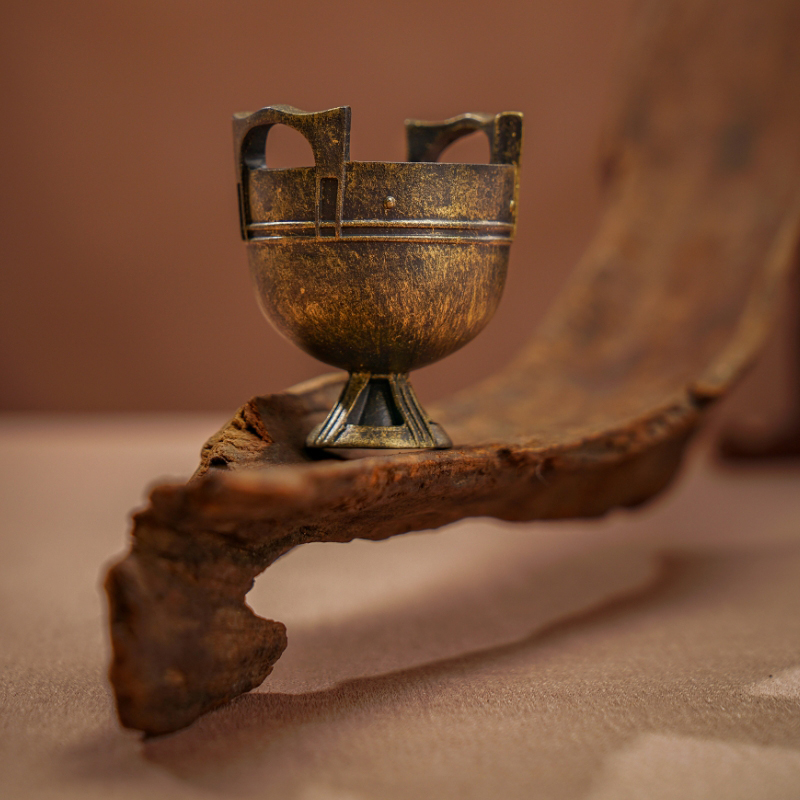
Bronze is one of the most significant metals in human history, playing a vital role in art, industry, and daily life for thousands of years. From ancient sculptures to modern applications, this copper-based alloy remains a symbol of durability, beauty, and craftsmanship.
1. The History of Bronze
The Bronze Age (3300–1200 BCE) marked a revolutionary period when civilizations began using bronze instead of stone or pure copper for tools, weapons, and decorations. Bronze, an alloy primarily made of copper and tin, was stronger and more durable than previous materials, allowing societies to flourish through improved agriculture, warfare, and artistic expression.
Some of the earliest known bronze artifacts include Mesopotamian weapons, Egyptian statues, and Chinese ritual vessels, all showcasing the metal’s importance across different cultures.
2. The Unique Properties of Bronze
Bronze is valued for its strength, corrosion resistance, and distinct warm color. Unlike iron, which rusts, bronze forms a protective patina over time, making it perfect for outdoor sculptures and marine applications.

🔍 Key Characteristics:
✔ Durability – Resistant to wear and corrosion
✔ Malleability – Easy to cast into detailed shapes
✔ Aesthetic Appeal – A beautiful golden-brown hue that deepens with age
✔ Anti-Microbial – Naturally resists bacteria, making it ideal for door handles and medical tools
3. The Use of Bronze in Art and Architecture
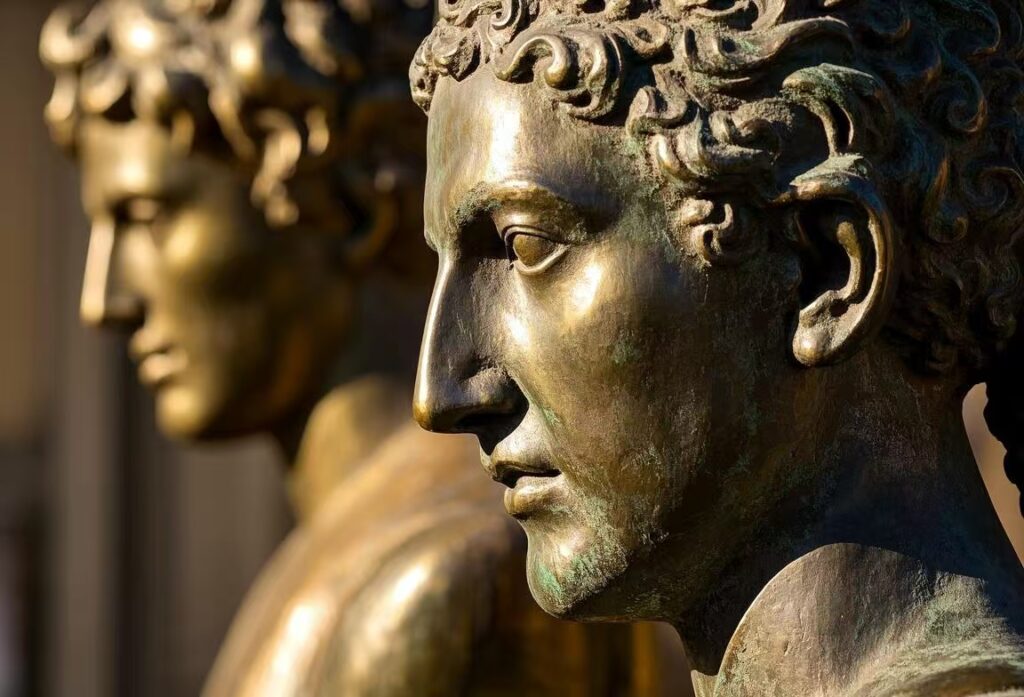
For centuries, artists and architects have relied on bronze to create monuments, statues, and decorative pieces. The Bronze David by Donatello and Rodin’s The Thinker are famous examples of how this metal has been used to produce masterpieces.
Modern sculptors continue to use bronze for its ability to capture intricate details, making it a favorite for commemorative statues, plaques, and memorials worldwide.
4. Industrial and Modern Uses of Bronze
While traditionally associated with art, bronze also has practical industrial applications:
- Marine Industry: Used in ship propellers and underwater fittings due to its resistance to seawater corrosion
- Musical Instruments: Found in cymbals, bells, and saxophone components for its superior acoustic properties
- Electrical Engineering: Utilized in electrical connectors due to its conductivity and strength
- Medals and Awards: The bronze medal is awarded for third place in competitions, symbolizing strength and perseverance
5. Caring for Bronze Items
Although bronze is naturally corrosion-resistant, regular maintenance helps preserve its beauty:
🔹 For sculptures – Use a soft cloth to remove dust and apply a protective wax coat.
🔹 For antiques – Avoid harsh chemicals; mild soap and water work best.
🔹 For outdoor pieces – Expect a natural patina to form over time, giving the bronze a unique character.
Final Thoughts
Bronze is more than just a metal—it’s a testament to human ingenuity and artistic achievement. Whether in ancient civilizations, modern sculptures, or industrial settings, bronze remains a material of elegance and endurance.
Do you own any bronze artwork or historical items? Share your thoughts in the comments! 🏺✨