The Narcissus flower, with its delicate petals and striking beauty, often carries deep symbolic meaning in literature and storytelling. In the context of the first story, the Narcissus flower could be introduced in several ways, depending on the narrative’s themes and tone. Here are a few possibilities:
1. Symbol of Transformation or Reflection
In Greek mythology, Narcissus is a young man who falls in love with his own reflection, eventually transforming into the flower that bears his name. If the first story explores themes of self-discovery, vanity, or transformation, the Narcissus flower could serve as a powerful symbol. For example:
- A character might encounter a field of Narcissus flowers while reflecting on their own identity or choices.
- The flower could appear in a dream or vision, prompting the protagonist to confront their inner struggles.
2. Aesthetic Beauty and Fleeting Moments
The Narcissus flower is often associated with beauty and the ephemeral nature of life. If the story emphasizes the fleetingness of time or the importance of appreciating the present, the flower could be woven into the setting:
- A character might pause to admire a Narcissus blooming in an unexpected place, symbolizing a moment of clarity or peace.
- The flower could mark a significant location, such as a gravesite or a place of remembrance, adding emotional depth to the narrative.
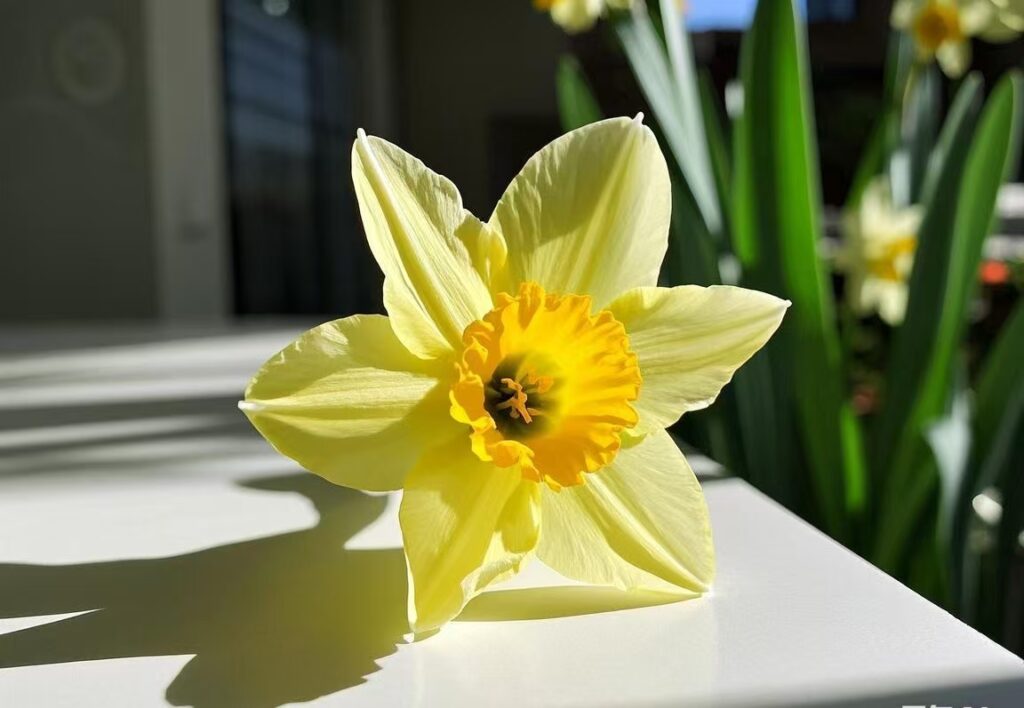
3. Connection to Nature and Renewal
As a spring-blooming flower, the Narcissus is often linked to themes of rebirth and renewal. If the story involves a journey of growth or recovery, the flower could symbolize hope and new beginnings:
- A character might plant Narcissus bulbs as a metaphor for starting over or healing from past wounds.
- The flower could appear at a pivotal moment, signaling a turning point in the story.
4. Mystery and Intrigue
The Narcissus flower has a dual nature—it’s beautiful but also toxic if ingested. This duality could be used to create intrigue or foreshadowing:
- A bouquet of Narcissus flowers might be delivered to a character anonymously, hinting at hidden dangers or secrets.
- The flower could be part of a larger motif, representing the allure and peril of a particular situation or relationship.
5. Cultural or Personal Significance
The Narcissus flower might hold specific cultural or personal meaning for a character. For instance:
- It could be a favorite flower of a loved one, serving as a reminder of their presence or absence.
- In some cultures, the Narcissus symbolizes good fortune or prosperity, adding a layer of optimism to the story.
Example Integration into the First Story:
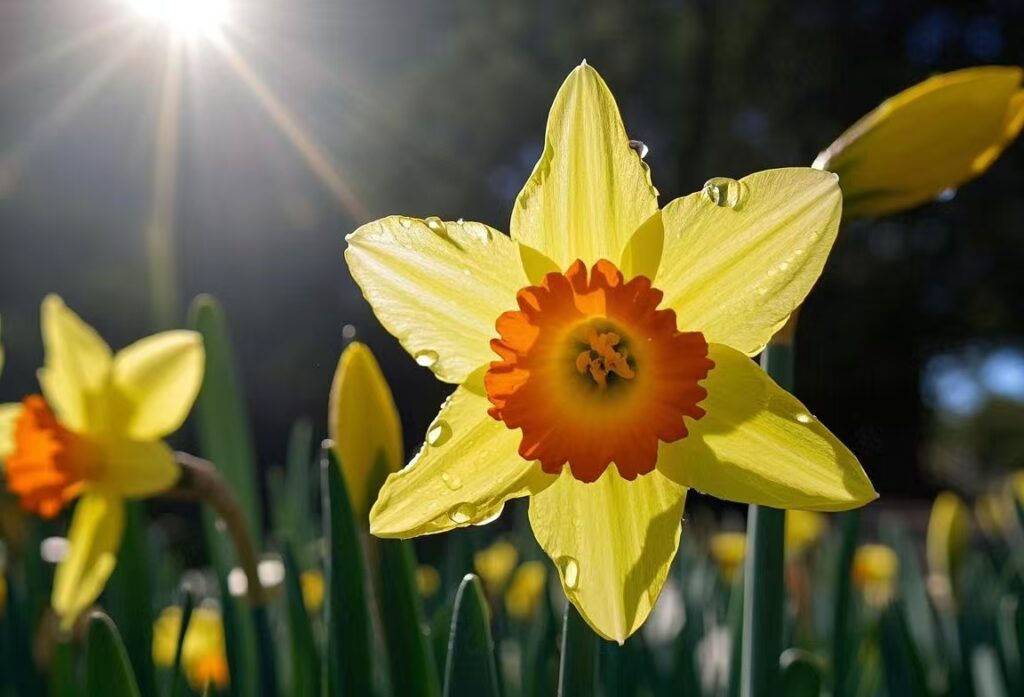
Imagine the protagonist of the first story, a traveler exploring the rolling hills of California, stumbles upon a hidden grove where Narcissus flowers bloom in abundance. The sight of the flowers stops them in their tracks, reminding them of a long-forgotten memory or a loved one they’ve lost. The flowers’ delicate beauty contrasts with the rugged landscape, symbolizing resilience and hope amidst hardship. As the protagonist continues their journey, the Narcissus becomes a recurring motif, representing their inner growth and the beauty they find in unexpected places.
By incorporating the Narcissus flower into the first story, you can add layers of meaning, emotion, and visual richness to the narrative. Whether as a symbol, a plot device, or simply a beautiful detail, the Narcissus has the power to captivate readers and deepen the story’s impact.
How do you envision the Narcissus flower fitting into the first story? Share your ideas in the comments!