Mandalas have captivated people for centuries with their intricate designs and deep spiritual meaning. These beautiful circular patterns are more than just art—they are tools for meditation, self-discovery, and relaxation. Whether you’ve seen them in coloring books, temples, or yoga studios, mandalas hold a universal appeal.
What Is a Mandala?
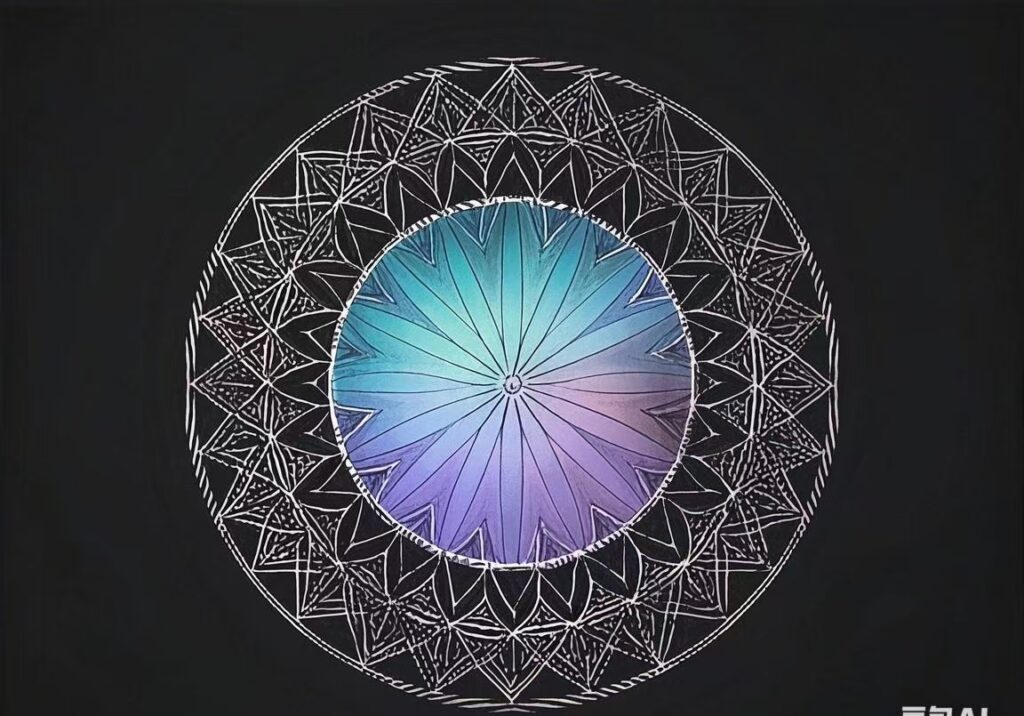
The word mandala comes from Sanskrit, meaning “circle.” It represents wholeness, unity, and the infinite nature of life. Mandalas appear in various cultures, including:
- Hinduism & Buddhism – Used in rituals and meditation.
- Native American traditions – Sand paintings symbolize healing.
- Christianity – Rose windows in cathedrals resemble mandalas.
Why Are Mandalas So Powerful?
1. Meditation & Mindfulness
Creating or coloring a mandala helps focus the mind, reducing stress and anxiety. The repetitive patterns guide the brain into a meditative state.
2. Self-Expression & Creativity
Designing a mandala allows for personal expression—each shape and color can reflect emotions and thoughts.
3. Healing & Balance
Many therapists use mandala art for emotional healing, as the process can reveal subconscious feelings.
How to Use Mandalas in Daily Life
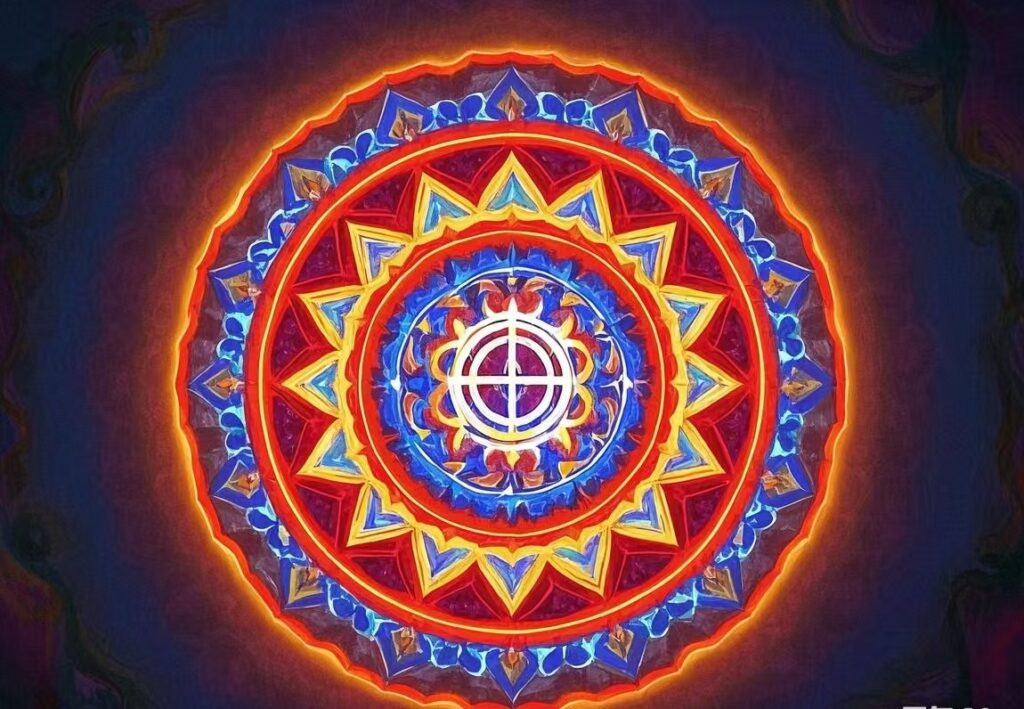
You don’t need to be an artist to benefit from mandalas! Here are simple ways to incorporate them:
- Coloring Mandalas – A relaxing activity for all ages.
- Drawing Your Own – Start with a circle and let your intuition guide you.
- Meditation – Gaze at a mandala to calm the mind.
- Home Decor – Hang mandala art for positive energy.
Try It Yourself!
If you’re new to mandalas, start with a simple coloring page or trace a circular pattern. Notice how the process makes you feel—peaceful, creative, or even introspective.
Have you ever worked with mandalas? Share your experiences in the comments!
“In the circle of a mandala, we find the universe within ourselves.” 🌀✨