Introduction
The Chilean Glory Vine, scientifically known as Eccremocarpus scaber, is a plant that captivates gardeners and nature enthusiasts alike with its unique charm. Originating from the temperate regions of South America, this vine has found its way into gardens around the world, adding a touch of exotic beauty wherever it grows. In this blog, we’ll take a deep dive into the world of the Chilean Glory Vine, exploring its characteristics, cultivation, and the allure it holds.
Appearance and Characteristics
The Chilean Glory Vine is a deciduous climber that can reach impressive lengths, often scrambling up trellises, fences, and other structures with ease. Its slender, twining stems are adorned with delicate, fern – like foliage. The leaves are pinnate, composed of multiple small leaflets that give the plant a lacy and airy appearance. This foliage provides an attractive backdrop to the real show – stoppers: the flowers.
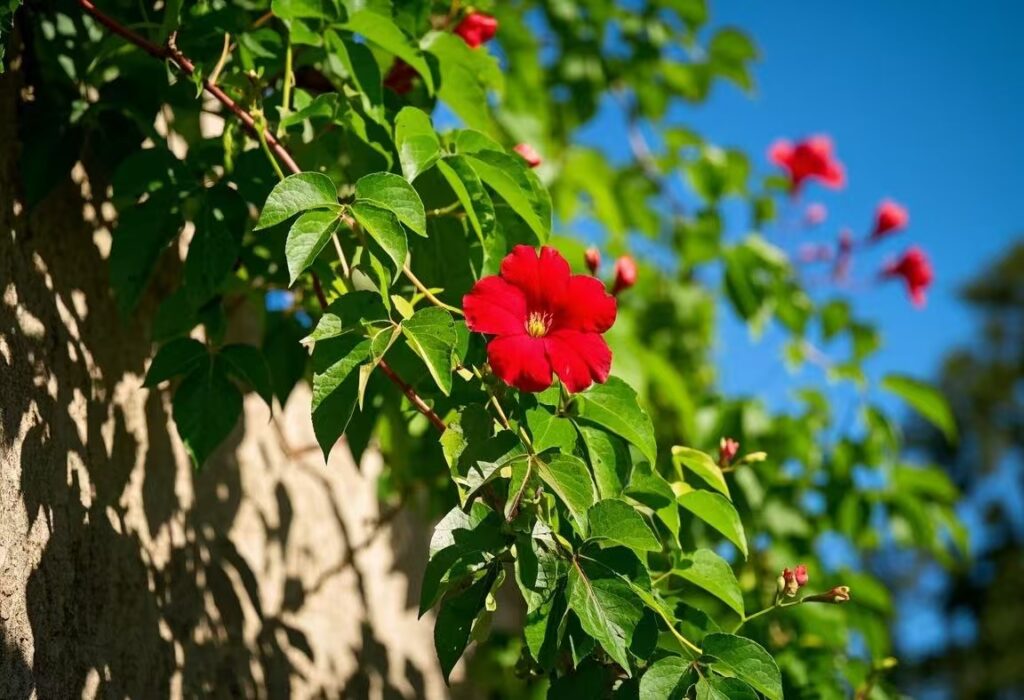
The flowers of the Chilean Glory Vine are truly a sight to behold. They are tubular in shape, with a vivid display of colors ranging from bright orange to red, and sometimes even yellow. These blooms are arranged in long, drooping racemes that can be up to 30 centimeters in length. Each flower has a distinct flare at the end, adding to its elegance. When in full bloom, the vine is covered in a profusion of these colorful flowers, creating a spectacular visual display that attracts pollinators such as hummingbirds and butterflies.
Cultivation and Care
One of the appealing aspects of the Chilean Glory Vine is its relative ease of cultivation, making it suitable for both novice and experienced gardeners. It thrives in full sun to partial shade, although it will produce more abundant flowers in sunnier locations. The soil should be well – drained, as the plant does not tolerate waterlogged conditions. A fertile, loamy soil amended with organic matter will provide the ideal growing medium.
Watering should be consistent, especially during the growing season. However, be careful not to overwater, as this can lead to root rot. Fertilizing with a balanced, slow – release fertilizer in the spring can help promote healthy growth and flowering. Pruning is also an important part of maintaining the vine’s shape and health. It can be pruned back in late winter or early spring to control its growth and encourage new shoots, which will result in more flowers.
Origin and Natural Habitat
Native to Chile and Argentina, the Chilean Glory Vine is well – adapted to the temperate climates of these regions. In its natural habitat, it can be found growing in a variety of settings, from the edges of forests to rocky slopes. It has evolved to withstand the seasonal changes, going dormant in the winter and bursting into life in the spring and summer. This adaptability has allowed it to be successfully cultivated in many other parts of the world with similar climate conditions.
Landscape Uses
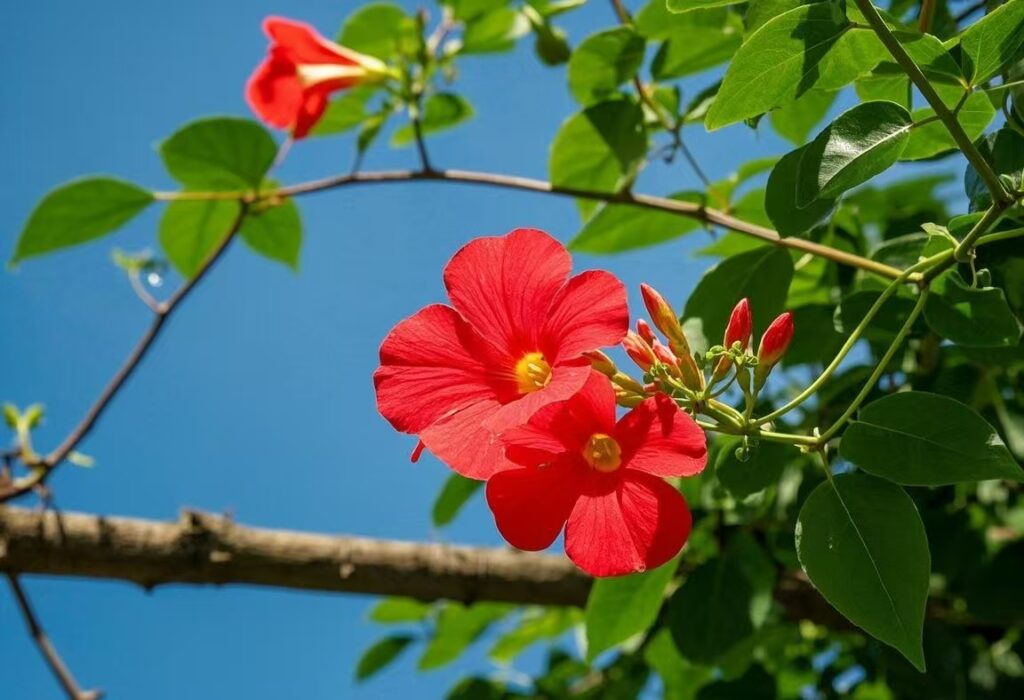
In the garden, the Chilean Glory Vine has a multitude of uses. It can be trained to cover unsightly walls, fences, or pergolas, transforming them into living, colorful screens. Planted near a window or patio, it provides a beautiful view and can attract wildlife to the area. In larger landscapes, it can be used to create vertical interest in mixed – border gardens or as part of a cottage – garden scheme. The vine’s ability to climb also makes it a great choice for adding height and dimension to small gardens, making them feel more spacious.
Conclusion
The Chilean Glory Vine is much more than just a pretty plant. It’s a fascinating botanical specimen with a rich history and unique characteristics. Whether you’re drawn to its stunning flowers, its easy – care nature, or its ability to enhance any landscape, there’s no denying the allure of this South American beauty. By bringing a Chilean Glory Vine into your garden, you’re not only adding a touch of the exotic but also a living, breathing part of nature that will delight you year after year.