Pine forests provide a unique environment for mushroom cultivation, offering rich organic matter, cool temperatures, and the perfect level of moisture. Whether you’re a forager looking for wild edibles or a grower hoping to cultivate your own fungi, certain mushrooms thrive exceptionally well under the canopy of pine trees.
Why Grow Mushrooms in a Pine Forest?
Pine forests create a shaded, humid environment with decomposing needles and fallen branches that enrich the soil. Many mushrooms naturally grow in these conditions, benefiting from the acidic nature of pine-rich soil. If you have access to a pine forest, you can take advantage of this natural setting to cultivate a variety of delicious and medicinal mushrooms.
Best Mushrooms to Grow in a Pine Forest
1. Chanterelles (Cantharellus spp.)
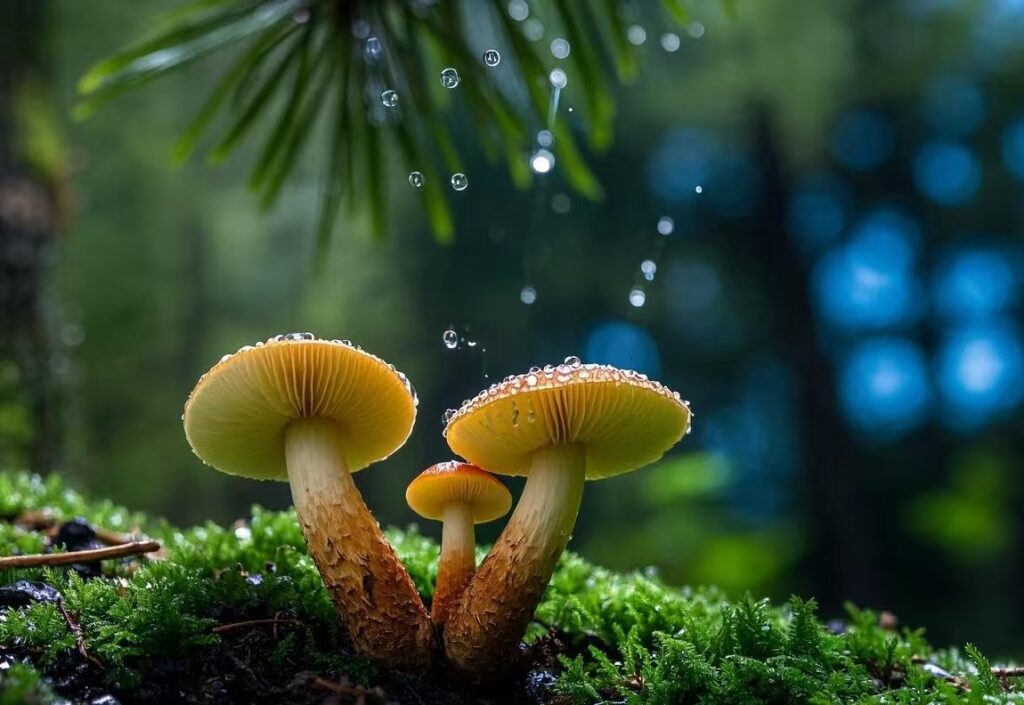
- One of the most prized wild mushrooms, chanterelles thrive in the leaf litter and moss of pine forests.
- They have a distinctive golden color and a rich, peppery aroma.
- Best found in late summer to early fall after rain.
2. Pine Mushrooms (Tricholoma matsutake)
- Also known as matsutake mushrooms, these are highly sought-after in Asian cuisine.
- They grow symbiotically with pine trees, often found beneath the forest floor.
- Their strong, spicy fragrance makes them a gourmet delicacy.
3. King Bolete (Boletus edulis)
- Also called porcini, this meaty mushroom prefers the damp soil of pine forests.
- It has a nutty, earthy flavor perfect for soups and sauces.
- Usually appears in late summer and fall.
4. Turkey Tail (Trametes versicolor)
- A medicinal mushroom that grows on decaying pine logs and stumps.
- Recognizable by its colorful, fan-shaped layers resembling a turkey’s tail.
- Used in teas and extracts for immune-boosting benefits.
5. Oyster Mushrooms (Pleurotus ostreatus)
- Can be cultivated on fallen pine logs or decaying wood.
- Easy to grow and produces clusters of tender, flavorful mushrooms.
- A great choice for beginners interested in mushroom cultivation.
6. Amanita Muscaria (Fly Agaric) – Not Edible
- While not safe for consumption, this iconic red-and-white mushroom commonly grows under pine trees.
- Often associated with fairy tales and folklore.
- Contains psychoactive compounds but is toxic if ingested improperly.
Tips for Growing Mushrooms in a Pine Forest
- Choose the Right Species – Some mushrooms require specific pine tree species to thrive.
- Moisture is Key – Water regularly if rainfall is insufficient.
- Use Spawn or Spores – Introduce mushroom spawn into decomposing pine logs or directly into the soil.
- Monitor pH Levels – Pine needles create acidic soil, which some mushrooms prefer while others may need adjustments.
Final Thoughts
Pine forests are a fantastic environment for growing or foraging mushrooms, offering a diverse selection of both edible and medicinal fungi. Whether you’re cultivating them intentionally or searching for wild varieties, these forests provide the perfect conditions for many species to flourish. With patience and the right approach, you can enjoy a steady harvest of delicious mushrooms straight from nature!