If you’ve ever been charmed by the large, flaky pastries known as elephant ears but thought the yeast – rising process was too time – consuming, this no – yeast elephant ear recipe is for you. These delightful treats are a cinch to make and will have your kitchen smelling amazing in no time.
What Are Elephant Ears?
Elephant ears, also called fry bread or elephant ear pastries, are large, flat pastries that are typically fried and then coated in sugar and cinnamon. They get their name from their resemblance to the large ears of an elephant. Traditionally, yeast – based dough is used, which requires time for the yeast to activate and the dough to rise. But our no – yeast version simplifies the process without sacrificing on taste or texture.
Ingredients You’ll Need
- 2 cups all – purpose flour: This forms the base of our pastry dough. All – purpose flour provides the right amount of structure and gluten development for a light and flaky texture.
- 1 teaspoon baking powder: Baking powder acts as a leavening agent in this no – yeast recipe. It helps the dough rise and become airy when fried.
- 1/2 teaspoon salt: Salt enhances the flavor of the dough, bringing out the natural taste of the flour and balancing the sweetness of the toppings.
- 1/2 cup milk: Milk adds moisture to the dough, making it easier to work with and contributing to a tender texture. You can use whole milk, skim milk, or even a dairy – free alternative like almond milk.
- 2 tablespoons unsalted butter, melted: Butter not only adds a rich, buttery flavor to the dough but also helps in creating a flaky texture. The melted butter is incorporated into the dry ingredients to bind them together.
- 1/2 cup granulated sugar: This is used for the topping. Granulated sugar gives the elephant ears a sweet, crunchy exterior.
- 1 tablespoon ground cinnamon: Cinnamon pairs perfectly with the sugar, adding a warm, spicy flavor that is characteristic of these pastries. You can adjust the amount of cinnamon according to your taste preferences.
- Vegetable oil for frying: Vegetable oil has a high smoke point, making it ideal for frying the elephant ears. You’ll need enough oil to fully submerge the pastries during frying.
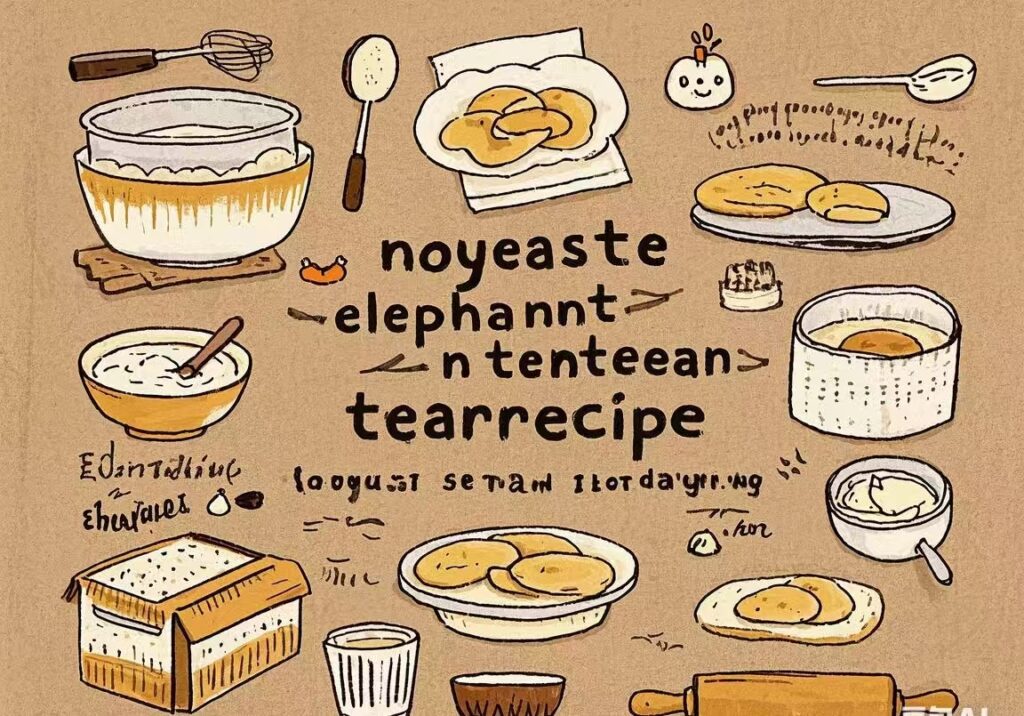
Step – by – Step Preparation
- Make the Dough
- In a large bowl, combine the 2 cups of all – purpose flour, 1 teaspoon of baking powder, and 1/2 teaspoon of salt. Whisk these dry ingredients together until well – combined. This ensures that the leavening agent (baking powder) is evenly distributed throughout the flour.
- Pour in the 1/2 cup of milk and 2 tablespoons of melted butter. Stir the wet ingredients into the dry ones using a wooden spoon or a rubber spatula. Keep stirring until a soft dough forms. If the dough seems too dry, you can add a little more milk, 1 tablespoon at a time. If it’s too wet, add a bit more flour.
- Once the dough comes together, turn it out onto a lightly floured surface. Knead the dough gently for about 2 – 3 minutes. Kneading helps to develop the gluten in the flour, which gives the dough strength and elasticity. The dough should be smooth and slightly tacky but not sticky.
- Roll Out the Dough
- Using a rolling pin, roll the dough into a large rectangle. Aim for a thickness of about 1/4 inch. Try to make the rectangle as even as possible. The larger and flatter you roll the dough, the more “elephant ear – like” your pastries will be.
- Prepare the Topping
- In a small bowl, mix the 1/2 cup of granulated sugar and 1 tablespoon of ground cinnamon. Stir well to combine. This cinnamon – sugar mixture will be used to coat the elephant ears after frying.
- Cut and Fry the Elephant Ears
- Use a pizza cutter or a sharp knife to cut the rolled – out dough into large, irregular – shaped pieces. The pieces can be any size and shape you like, but traditionally, they are large and oval – shaped, resembling elephant ears.
- Heat about 2 – 3 inches of vegetable oil in a large, heavy – bottomed skillet or a deep – fryer over medium – high heat. You can test if the oil is hot enough by dropping a small piece of dough into it. If the dough sizzles and floats to the surface immediately, the oil is ready.
- Carefully place one or two pieces of dough into the hot oil. Be cautious as the oil may splatter. Fry the dough for about 1 – 2 minutes on each side, or until it turns a golden brown. Use a slotted spoon or tongs to flip the pastries. Make sure to cook them in batches to avoid overcrowding the pan, which can cause the oil temperature to drop and result in unevenly cooked pastries.
- Coat with Topping
- Once the elephant ears are fried and removed from the oil, place them on a paper – towel – lined plate to drain excess oil. While the pastries are still warm, sprinkle the cinnamon – sugar mixture generously over both sides. The warmth of the pastries will help the sugar to adhere and start to melt slightly, creating a delicious, sweet crust.
Tips for Success
- Temperature Control: Maintaining the right oil temperature is crucial. If the oil is too cold, the pastries will absorb too much oil and become greasy. If it’s too hot, they will burn on the outside before cooking through on the inside. Use a candy thermometer to monitor the oil temperature and keep it around 350 – 375°F (175 – 190°C).
- Dough Consistency: The dough should be soft but not overly sticky. If it’s too sticky, it will be difficult to roll out and handle. Adding a bit more flour can help, but be careful not to over – do it, as this can make the pastries tough.
- Flipping the Pastries: When flipping the elephant ears in the oil, do it gently to avoid tearing the dough. A slotted spoon or tongs works well for this purpose.
These no – yeast elephant ears are perfect for a weekend breakfast, a sweet snack, or even as a dessert. They are easy to make, and the result is a delicious, flaky pastry that will have everyone asking for more. So, roll up your sleeves and give this recipe a try. Your taste buds will thank you!