The Importance of Proper Seed Storage
Seeds are the starting point of a beautiful garden, a bountiful harvest, or a flourishing plant collection. But to ensure that your seeds germinate successfully when you’re ready to plant them, proper storage is crucial. Good seed storage not only preserves the viability of seeds but can also extend their lifespan, allowing you to use them for multiple growing seasons. Whether you’re saving seeds from your own garden or purchasing them from a reputable source, understanding how to store them correctly is a fundamental skill for any gardener.
Factors Affecting Seed Viability During Storage
Moisture
Moisture is one of the biggest enemies of seeds. High humidity levels can cause seeds to absorb water, which may trigger premature germination or lead to mold and fungal growth. Even a small increase in moisture content can significantly reduce the lifespan of seeds. For example, many vegetable seeds should be stored at a relative humidity of around 30 – 40%. Legume seeds, like beans and peas, are particularly sensitive to moisture. If they absorb too much water, the seed coat can break, and the embryo inside can be damaged.
Temperature
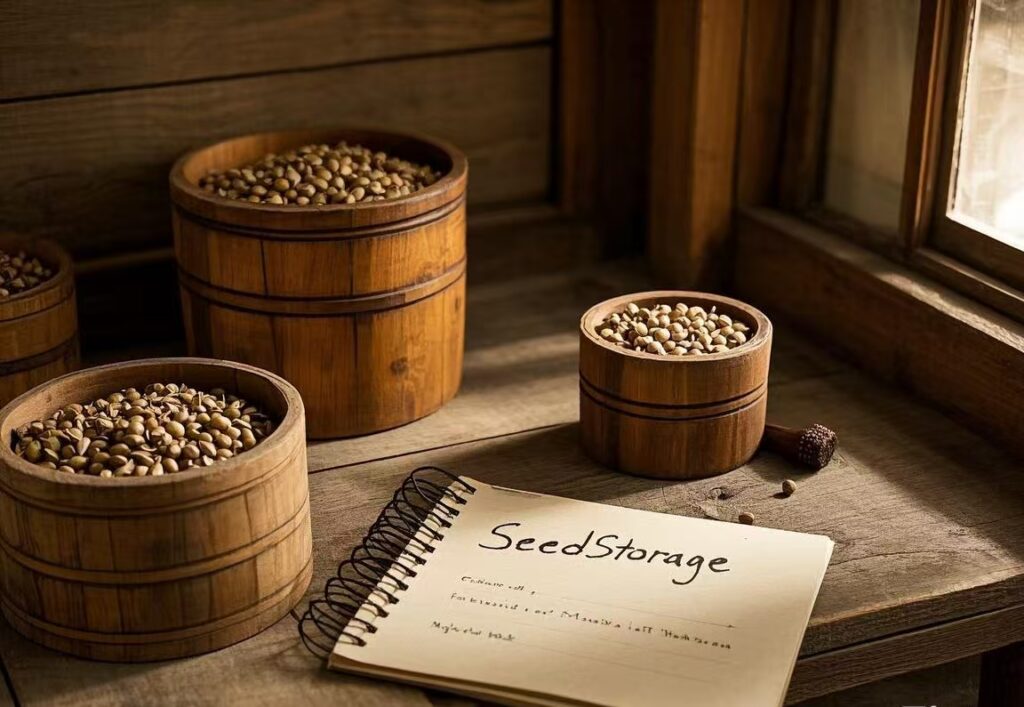
Temperature also plays a vital role in seed storage. Seeds generally prefer cool temperatures. A temperature range of 32 – 41°F (0 – 5°C) is ideal for long – term storage of many seeds. At higher temperatures, seeds will age more quickly, and their viability will decline. Tropical seeds, however, may have different temperature requirements. Some may need to be stored at slightly warmer temperatures, around 50 – 55°F (10 – 13°C), as they are adapted to the warmer climates of their native regions.
Oxygen
Oxygen can contribute to the breakdown of seeds over time. When seeds are exposed to air, they undergo a slow process of respiration. This can cause the depletion of stored energy reserves within the seed, reducing its ability to germinate. Minimizing oxygen exposure can help slow down this process.
Choosing the Right Storage Containers
Airtight Containers
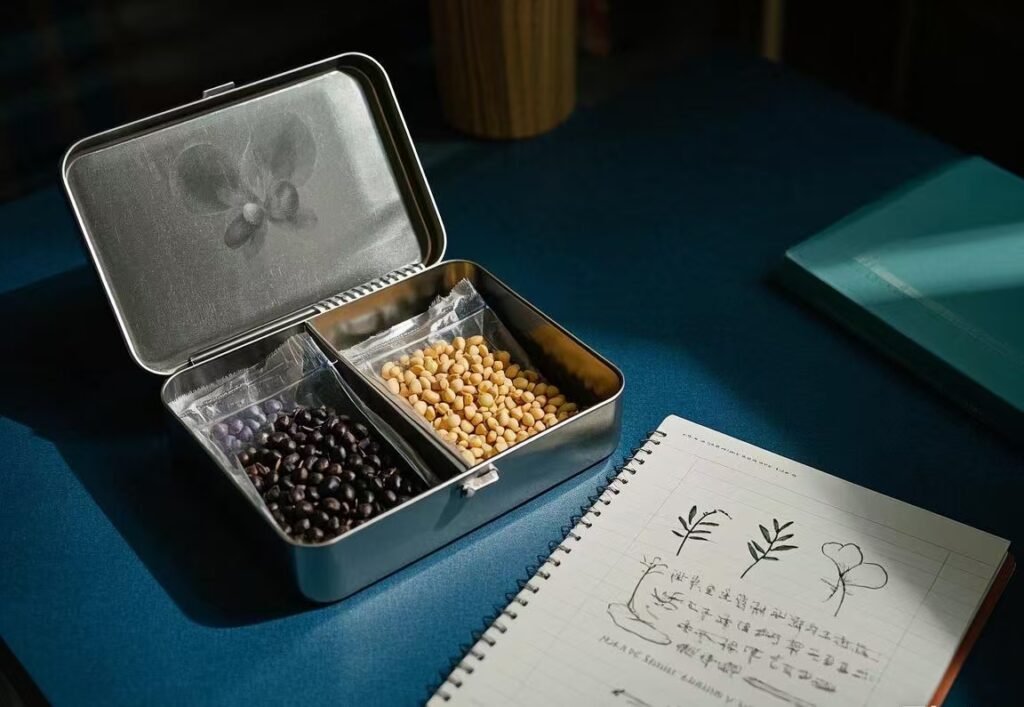
Airtight containers are essential for seed storage. Mason jars with tight – fitting lids are a popular choice. They are readily available, easy to clean, and can effectively keep out moisture and air. You can also use specialized seed storage containers made of plastic or metal that are designed to be airtight. These containers often come with additional features like humidity – control packets or compartments for organizing different types of seeds.
Moisture – Absorbing Materials
Adding moisture – absorbing materials to your storage containers can provide an extra layer of protection. Silica gel packets are commonly used. These packets can absorb excess moisture in the container, helping to maintain the ideal humidity level for the seeds. Just make sure to replace the silica gel packets periodically, especially if you notice that they have become saturated.
Labeling
Proper labeling is often overlooked but is extremely important. Clearly label each container with the type of seed, the variety (if applicable), the date of collection or purchase, and any other relevant information. This will prevent confusion, especially if you have a large collection of seeds. You can use waterproof labels or permanent markers to ensure that the information stays legible over time.
Storage Locations
Refrigerators or Freezers
For long – term storage, refrigerators or freezers can be excellent options. The cool, dry environment inside these appliances helps to slow down the aging process of seeds. However, if you choose to store seeds in the freezer, it’s important to take precautions. Make sure the seeds are in airtight containers to prevent frost damage. Also, avoid frequent temperature fluctuations. When you take the seeds out of the freezer to plant them, allow them to come to room temperature slowly to prevent condensation from forming on the seeds.
Indoor Storage in a Cool, Dark Place
If you don’t want to use a refrigerator or freezer, find an indoor location that is cool, dark, and dry. A basement or a closet away from heat sources like radiators or hot water pipes can work well. Avoid storing seeds in attics or garages, as these areas can experience extreme temperature changes and may have higher humidity levels.
Testing Seed Viability Before Planting
Even with the best storage practices, seed viability can still decline over time. Before planting, it’s a good idea to test the viability of your seeds. One simple method is the paper towel test. Place a few seeds between two layers of damp paper towel, fold the towel, and put it in a plastic bag. Keep the bag in a warm place. After a few days, check to see if the seeds have germinated. If a high percentage of the seeds have sprouted, they are likely still viable. This test can help you determine if you need to purchase new seeds or if you can use the ones you’ve stored.
In conclusion, proper seed storage is a combination of controlling moisture, temperature, and oxygen, choosing the right containers, and finding an appropriate storage location. By following these guidelines, you can ensure that your seeds remain viable and ready to grow into healthy plants when the time is right. So, take the time to store your seeds correctly, and you’ll be rewarded with successful germination and a beautiful garden.