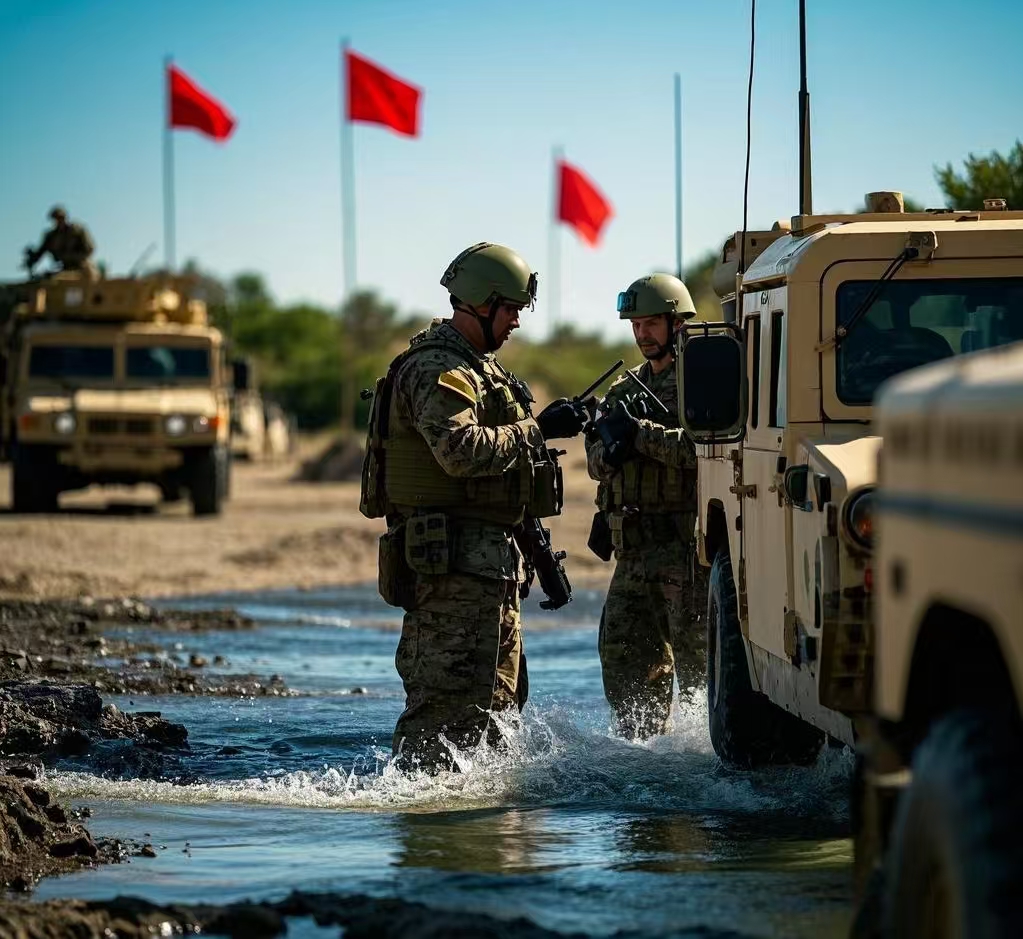
Camp Pendleton, located in Southern California, is one of the largest and most strategic military bases for the United States Marine Corps (USMC). Covering over 125,000 acres, the base serves as the primary training facility for the Marine Corps’ West Coast operations. Among its various zones, Mass 3 stands out as a significant training and operational hub.
What is Mass 3 at Camp Pendleton?
Mass 3, sometimes referred to in military contexts as a specific sector within the Camp Pendleton training area, is known for its role in training Marines for a variety of combat and logistical operations. This area serves as a key site for exercises, simulations, and live-fire drills designed to prepare Marines for real-world challenges. The training at Mass 3 is crucial for Marines specializing in everything from infantry tactics to specialized support roles.
The Importance of Mass 3 in Marine Corps Training
- Diverse Training Environment: Mass 3 provides a varied landscape ideal for different types of military training. With desert terrain, coastal environments, and urban mock-ups, it offers Marines an opportunity to practice tactics suited to diverse real-world situations.
- Live-Fire Exercises: The Mass 3 area is well-equipped for live-fire training exercises, where Marines can practice using a variety of weapons in a controlled but realistic environment. This training is vital for maintaining combat readiness and ensuring Marines are prepared for any threat they may face.
- Simulated Combat and Urban Warfare Training: Mass 3 is equipped with urban training zones, where Marines can simulate urban combat scenarios. This is increasingly important as modern conflicts often occur in densely populated urban environments. These exercises help Marines build the necessary skills to operate in complex, urbanized terrains.
- Advanced Tactical Drills: The base offers a wide range of tactical drills, including defensive and offensive maneuvers, reconnaissance missions, and field operations. These drills are critical in ensuring that Marines are well-prepared for both small-scale and large-scale operations.
Mass 3 and the Global Mission of the Marine Corps
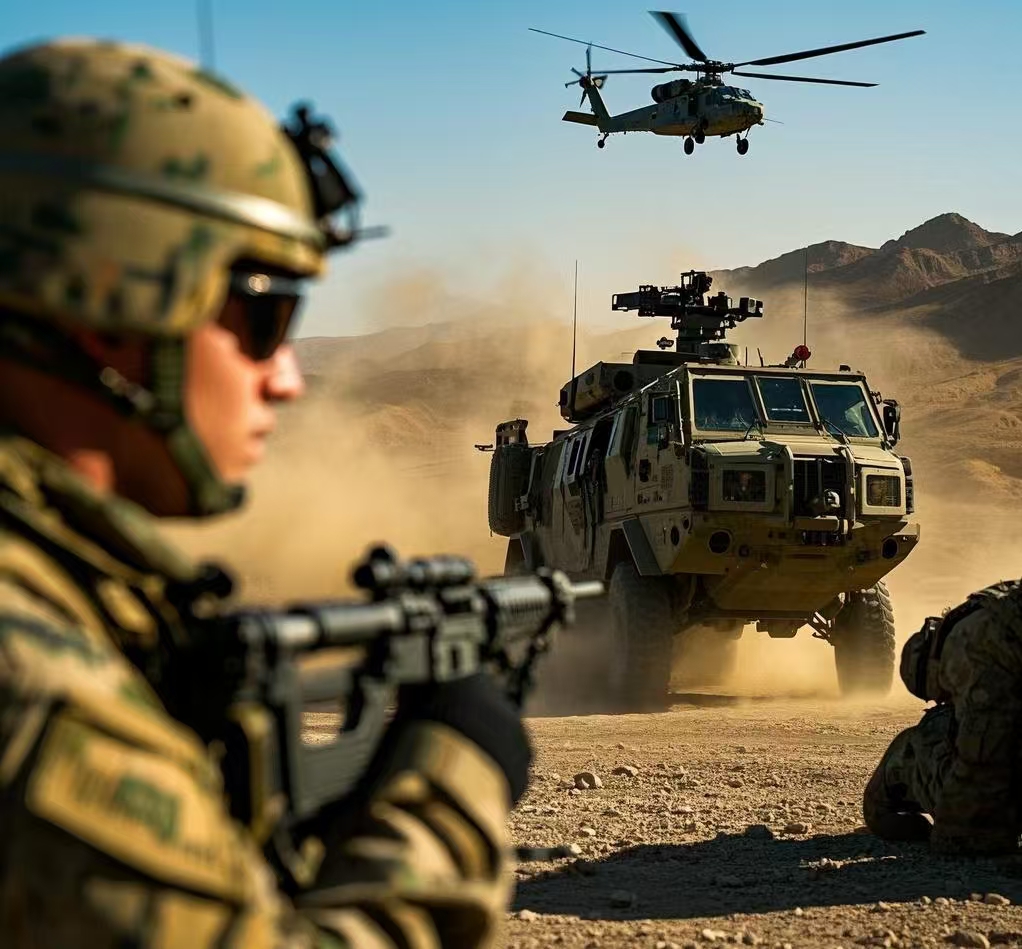
The training at Mass 3 at Camp Pendleton is directly tied to the Marine Corps’ global mission. Whether it’s supporting U.S. military operations abroad or participating in humanitarian efforts, the Marines must be capable of rapidly deploying in diverse conditions. Mass 3 helps ensure that Marines are trained and ready to operate anywhere in the world, from harsh desert environments to the urban streets of foreign cities.
In addition to traditional combat training, Mass 3 serves as a location for joint operations with other branches of the military and international allies. This helps build coordination and cooperation in multinational missions, which are a hallmark of modern military operations.
The Impact of Mass 3 on Marine Corps Readiness
By offering realistic, challenging training environments and providing Marines with the tools they need to succeed, Mass 3 plays an essential role in maintaining the overall readiness of the U.S. Marine Corps. Training at this level ensures that Marines can respond quickly and effectively to any global threat or natural disaster, making them a critical force in national defense and international stability.
Conclusion: Mass 3’s Role in Shaping Tomorrow’s Marines
Camp Pendleton’s Mass 3 area is more than just a training facility; it is a place where future Marine leaders are forged. The skills learned and honed in this area have direct implications for the effectiveness and success of the U.S. military. As global security challenges evolve, the training provided at Mass 3 ensures that the Marine Corps remains a formidable force ready for action at any moment.
For anyone interested in the logistics and operations of the U.S. military, Mass 3 at Camp Pendleton represents the backbone of tactical training and mission readiness. It’s a critical asset for the Marine Corps and an example of how the military continually adapts to meet emerging challenges.