Hydroponics is a soil – less method of growing plants. Instead of soil, plants are grown in a nutrient – rich water solution. This innovative approach to gardening has been gaining popularity in recent years, especially in urban areas and places with poor soil quality.
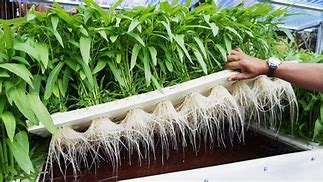
One of the main advantages of hydroponics is its efficiency. It uses up to 90% less water compared to traditional soil – based farming. This is because the water in a hydroponic system can be recycled, minimizing waste. Additionally, since the plants are directly provided with nutrients in the water, they can grow faster and produce higher yields.
Hydroponics also allows for year – round cultivation. The growing environment can be precisely controlled, including factors such as temperature, light, and nutrient levels. This means that regardless of the external weather conditions, plants can thrive in a hydroponic setup.
However, hydroponics is not without its challenges. Setting up a hydroponic system can be expensive, as it requires special equipment such as pumps, reservoirs, and growing trays. Moreover, maintaining the correct balance of nutrients in the water is crucial. If the nutrient levels are too high or too low, it can harm the plants.

In conclusion, hydroponics offers a sustainable and efficient way to grow plants. Despite its initial costs and the need for careful management, it is a promising solution for the future of agriculture, especially in a world facing water scarcity and limited arable land.