Growing hays board is an essential part of sustainable livestock feeding and land management. Whether you’re a farmer looking to produce quality hay for cattle or simply want to improve soil health, understanding the right techniques can help you grow nutritious and high-yielding hay.
What is Hays Board?
Hays board refers to structured hay production, where farmers grow grasses and legumes specifically for animal feed, erosion control, or soil improvement. It is commonly used in pasture management and baled for storage to feed livestock throughout the year.
Common Types of Hay Grown:
✔ Alfalfa – High in protein, great for dairy cows and horses
✔ Timothy Grass – Ideal for horses, with lower protein levels
✔ Bermudagrass – Popular in warmer climates, durable and nutritious
✔ Clover – Rich in nitrogen, improves soil and provides excellent forage
✔ Fescue – Hardy and drought-resistant, good for cattle and sheep
How to Grow Hays Board Successfully
1. Choose the Right Location 📍
Hay grows best in well-drained soil with plenty of sunlight. Avoid low-lying areas where water tends to collect, as excessive moisture can lead to moldy hay.
2. Prepare the Soil 🌱
Before planting, test your soil for pH and nutrient levels. Most hay crops thrive in a pH range of 6.0 to 7.0. If necessary:
- Add lime to raise pH
- Incorporate fertilizers with nitrogen, phosphorus, and potassium
- Till the soil to break up clumps and ensure proper seed-to-soil contact
3. Select High-Quality Seeds 🌾
Choose seeds that match your climate and livestock needs. Certified seeds ensure better germination rates and disease resistance.
4. Plant at the Right Time ⏳
- Cool-season hay (Fescue, Timothy) – Plant in early spring or fall
- Warm-season hay (Bermudagrass, Alfalfa) – Plant in late spring or early summer
5. Manage Water and Fertilization 💧
- Water moderately; too much moisture can cause root rot
- Apply slow-release fertilizers to promote steady growth
- Consider rotating crops to maintain soil fertility
6. Control Weeds and Pests 🚫
Unwanted weeds can compete for nutrients and lower hay quality. Use:
✔ Natural mulching to suppress weed growth
✔ Selective herbicides (if necessary) to eliminate aggressive weeds
✔ Crop rotation to minimize disease buildup
Harvesting and Storing Hays Board
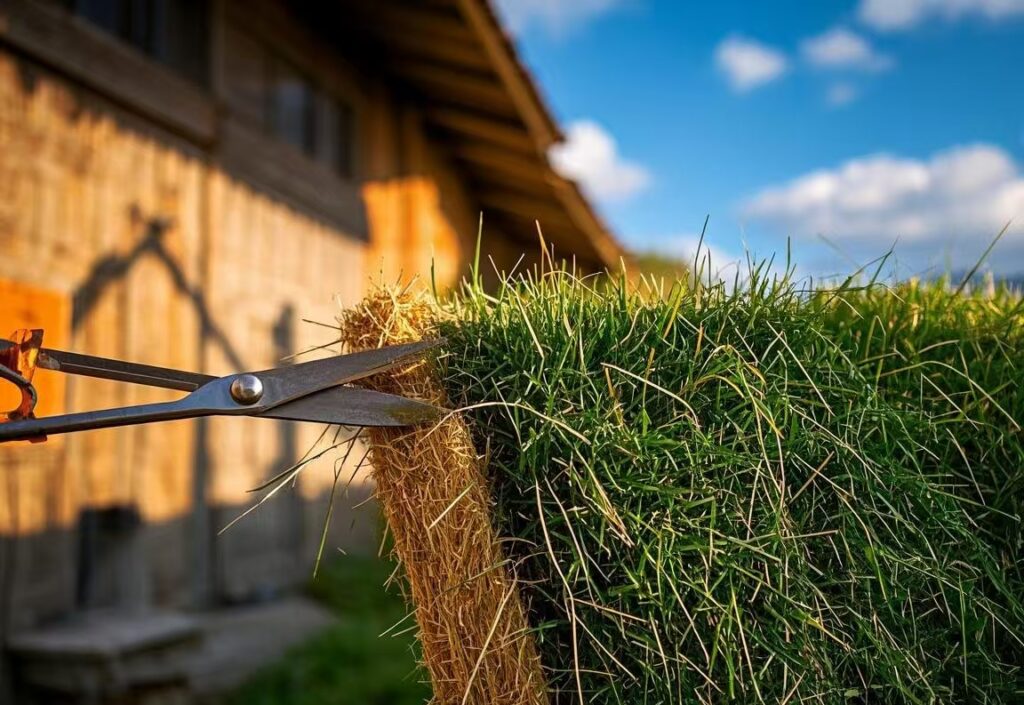
1. Cut at the Right Time ✂
- Harvest when grass reaches peak nutritional value
- Cut before flowering for maximum protein and digestibility
2. Dry and Bale Properly ☀
- Allow hay to dry in the field for 2-4 days
- Use a tedder or rake to flip hay for even drying
- Bale when moisture is between 12-18% to prevent mold
3. Store in a Dry Area 🏠
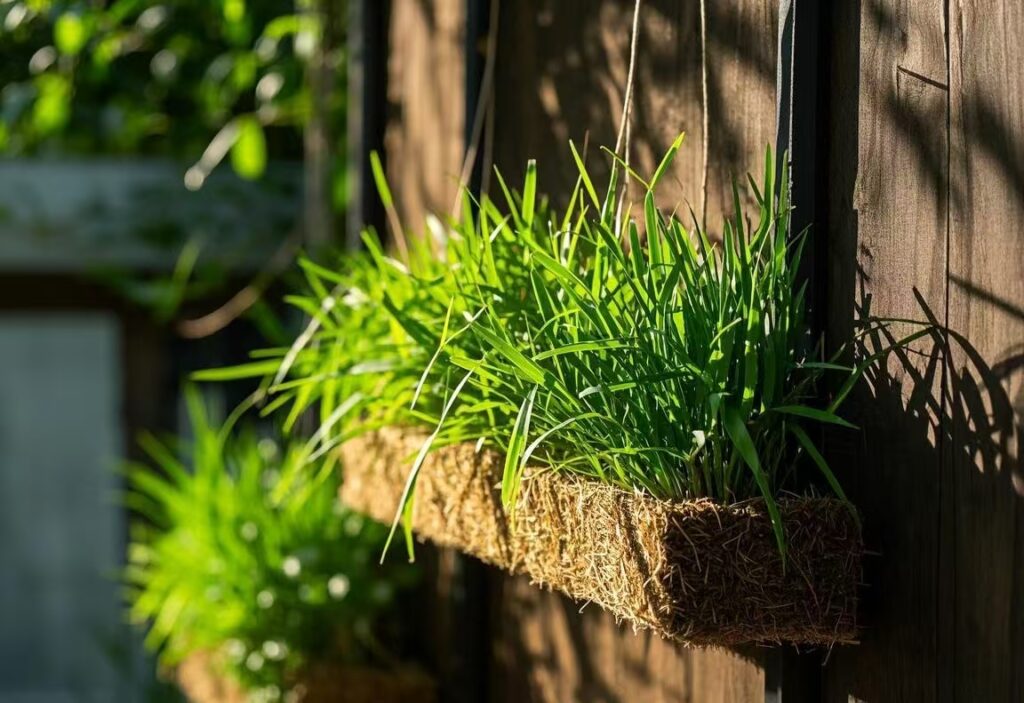
- Keep bales off the ground using pallets
- Cover with tarps or store in a barn to prevent moisture damage
Benefits of Growing Hays Board
✅ Provides nutritious feed for livestock
✅ Improves soil health by preventing erosion
✅ Cost-effective alternative to buying commercial feed
✅ Enhances farm sustainability by utilizing local resources
By following these steps, you can grow high-quality hay that benefits both livestock and the environment. 🌾🐄