Orchids are one of the most beautiful and exotic flowers, known for their vibrant colors and elegant blooms. While they have a reputation for being difficult to care for, with the right knowledge and approach, anyone can grow healthy, thriving orchids at home.
In this guide, we’ll break down how to care for orchids, covering everything from watering and light requirements to repotting and common mistakes to avoid.
1. Choosing the Right Orchid
Before diving into orchid care, it’s essential to choose a variety that matches your environment and experience level. Some popular beginner-friendly orchids include:
🌸 Phalaenopsis (Moth Orchid) – The easiest to care for, blooms last for months.
🌸 Cattleya Orchid – Needs more light but produces stunning, fragrant flowers.
🌸 Dendrobium Orchid – Requires slightly more attention but is still manageable.
🌸 Oncidium (Dancing Lady Orchid) – Prefers bright, indirect light and moderate humidity.
If you’re a beginner, Phalaenopsis orchids are the best choice as they are more forgiving and adaptable.
2. Light Requirements: Finding the Perfect Spot
Orchids need the right amount of light to grow and bloom. Too much sunlight can scorch their leaves, while too little will prevent flowering.
✅ Best Light: Bright, indirect sunlight. Place orchids near an east- or south-facing window with filtered light.
🚫 Avoid: Direct sunlight, especially during midday, as it can burn the leaves.
💡 Tip: If your orchid’s leaves are dark green, it may need more light. If they turn yellow or reddish, it’s getting too much sun.
3. Watering Orchids: Not Too Much, Not Too Little
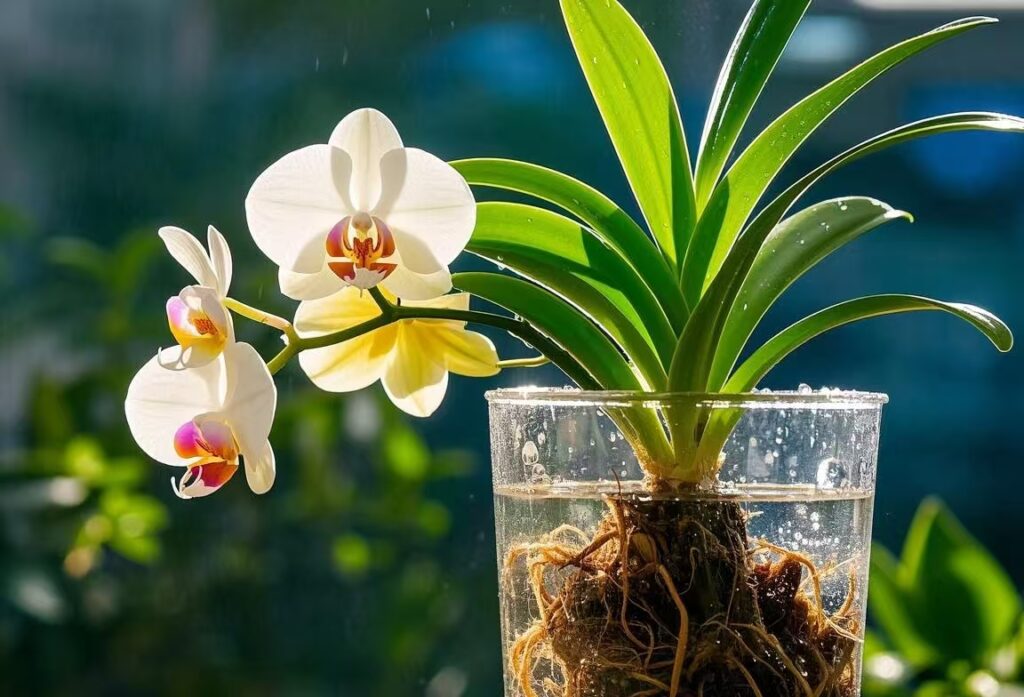
One of the biggest mistakes in orchid care is overwatering. Unlike typical houseplants, orchids don’t like sitting in water.
How Often to Water:
💦 Once a week in warm months
💦 Every 10-14 days in cooler months
Best Watering Method:
- Water in the morning to allow excess moisture to evaporate.
- Use room temperature water to avoid shocking the roots.
- Water thoroughly, allowing water to drain from the bottom.
🚫 Avoid: Letting orchids sit in water, as this can cause root rot. Always ensure the pot has good drainage.
4. Humidity and Temperature Needs
Orchids naturally grow in tropical environments, meaning they love humidity and warm temperatures.
🌡️ Temperature: 65–75°F (18–24°C) during the day, slightly cooler at night.
💧 Humidity: 50–70% is ideal.
💡 Tip: If your home is dry, increase humidity by:
✅ Using a humidity tray (a shallow tray with pebbles and water).
✅ Misting your orchid lightly in the morning.
✅ Placing a small humidifier nearby.
5. Choosing the Right Pot and Soil
🌱 Best Potting Mix for Orchids:
- Bark-based mix – Ideal for Phalaenopsis orchids.
- Sphagnum moss – Retains more moisture, suitable for dry environments.
🌿 Best Orchid Pots:
- Clear plastic pots – Allow you to see root health.
- Clay pots – Provide better air circulation.
- Pots with drainage holes – Essential for preventing root rot.
🚫 Avoid: Regular potting soil – it holds too much moisture and suffocates orchid roots.
6. Fertilizing Orchids for Healthy Growth
To keep your orchid happy, fertilize it once a month with a balanced 20-20-20 orchid fertilizer (equal parts nitrogen, phosphorus, and potassium).
✅ During Blooming Season: Fertilize every two weeks to encourage flowers.
✅ During Dormant Period: Reduce fertilizing to once a month.
🚫 Avoid: Over-fertilizing, as too much can damage the roots.
💡 Tip: Always fertilize after watering, never on dry roots!
7. Repotting Your Orchid
Orchids need repotting every 1–2 years when:
🌱 The potting mix breaks down.
🌱 Roots start growing out of the pot.
🌱 The plant looks unhealthy despite proper care.
How to Repot an Orchid:
1️⃣ Remove the orchid from its old pot.
2️⃣ Trim off any dead or mushy roots.
3️⃣ Place it in fresh orchid bark mix.
4️⃣ Water lightly and keep it in a warm, bright spot.
🚫 Avoid: Repotting while the orchid is in bloom – wait until flowers fall off.
8. Common Orchid Problems and Solutions
🌿 Yellow Leaves? – Too much direct sunlight or overwatering.
💧 Wrinkled Leaves? – Dehydration; check watering and humidity.
🦠 Mushy Roots? – Root rot due to overwatering. Repot immediately!
🚫 No Flowers? – Needs more light or a drop in nighttime temperature to trigger blooming.
9. How to Make Orchids Rebloom
Once an orchid’s flowers fall off, don’t worry! You can encourage reblooming by:
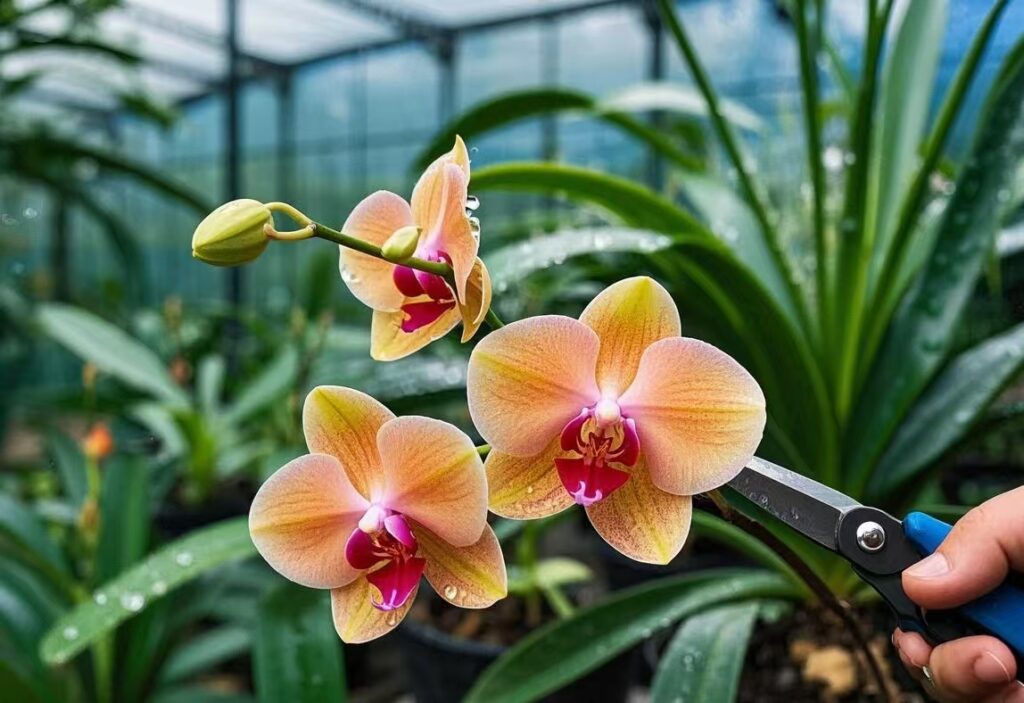
✅ Cutting the spike just above the lowest node.
✅ Providing a temperature drop at night (around 10°F cooler).
✅ Giving more light (but not direct sun).
✅ Fertilizing with a “bloom booster” fertilizer (higher phosphorus).
Patience is key! Some orchids take a few months to rebloom, while others may take a year.
Final Thoughts: Enjoy Your Beautiful Orchids!
Caring for orchids may seem tricky at first, but with the right routine, these stunning plants will thrive and reward you with breathtaking blooms. Remember the essentials:
🌞 Bright, indirect light
💧 Water once a week (avoid overwatering!)
🌡️ Keep humidity around 50-70%
🌱 Use well-draining orchid bark, not regular soil
💚 Be patient—orchids bloom in their own time!
With a little love and attention, your orchids will flourish for years to come. 🌸💜
Do you have an orchid at home? Share your experience and tips in the comments below! 🌿✨