Horticulture is the branch of agriculture focused on the cultivation of plants, particularly those that are used for food, medicine, and ornamental purposes. Unlike traditional farming, which primarily focuses on large-scale crop production, horticulture involves the art and science of growing fruits, vegetables, nuts, seeds, herbs, sprouts, mushrooms, algae, and non-food crops such as grass and flowers.
The Scope of Horticulture
Horticulture covers a wide range of plant-related activities and is divided into several sub-disciplines, including:
- Pomology: This subfield focuses on the cultivation of fruits. Pomologists work with fruit trees, vines, and other plants that produce edible fruits.
- Olericulture: This branch deals with the cultivation of vegetables. It includes the study of plant growth, soil management, and pest control to ensure healthy vegetable production.
- Floriculture: Floriculture is concerned with the growing and marketing of flowers and ornamental plants. It’s not just about aesthetics; floriculture also plays an essential role in the global floral trade.
- Landscape Horticulture: This area includes the design, installation, and maintenance of landscapes, including parks, gardens, and public spaces. It involves the beautification of both residential and commercial properties.
- Postharvest Technology: This focuses on the care and handling of harvested crops, ensuring that they remain fresh, nutritious, and free from spoilage during storage and transportation.
Why is Horticulture Important?
Horticulture plays a critical role in both food production and environmental sustainability. By growing a variety of plants, horticulture supports a healthy diet through the provision of fresh fruits and vegetables, which are essential for good nutrition. Moreover, horticulture practices promote biodiversity, help manage land efficiently, and contribute to reducing carbon footprints through sustainable practices like composting and organic farming.
Additionally, horticulture aids in the creation of green spaces that enhance the quality of urban life. Community gardens, landscaped parks, and urban agriculture projects not only beautify the surroundings but also promote mental health and community well-being.
Careers in Horticulture
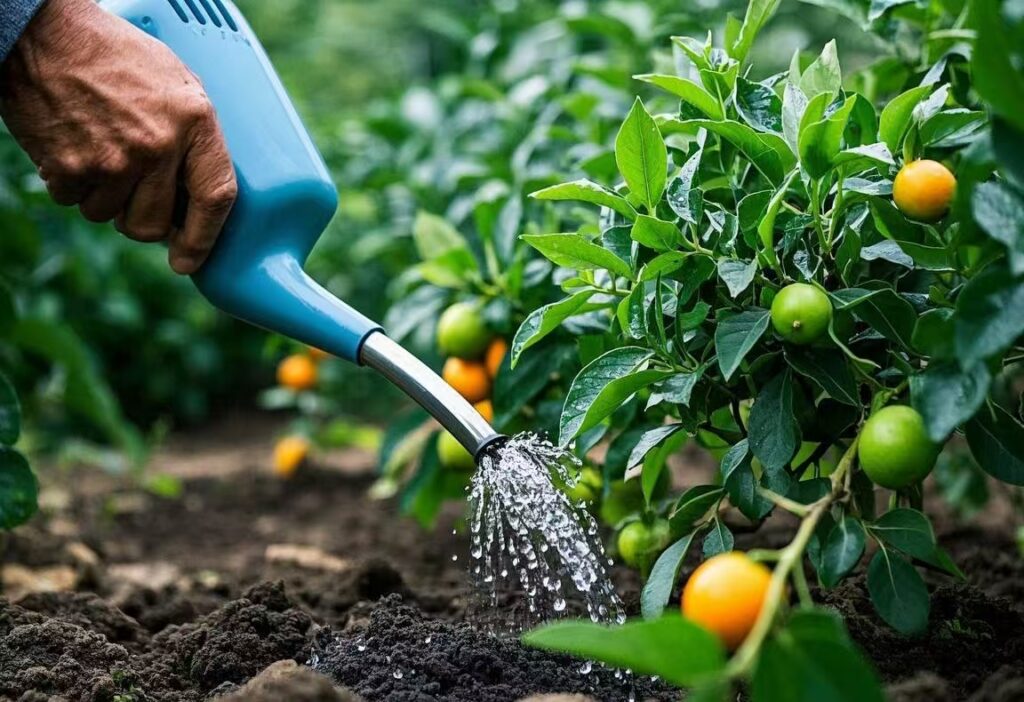
The field of horticulture offers diverse career opportunities for those passionate about plants, agriculture, and the environment. Some of the most common careers in horticulture include:
- Horticulturists: These professionals apply scientific knowledge to improve plant cultivation techniques and manage plant growth.
- Landscape Designers: They plan, design, and maintain outdoor spaces, ensuring that landscapes are both functional and visually appealing.
- Agricultural Engineers: These engineers focus on designing tools, equipment, and structures that enhance the efficiency of plant cultivation.
- Plant Pathologists: Specialists in plant diseases, they work to identify, prevent, and control plant health issues.
- Nursery Managers: They oversee the production and care of plants in nurseries, ensuring that the plants are healthy and ready for sale or transplantation.
The Future of Horticulture
As we face the challenges of climate change and a growing global population, horticulture is increasingly recognized as a vital tool for sustainable agriculture. Innovations in plant breeding, hydroponics, vertical farming, and smart agriculture technologies are shaping the future of horticulture, making it possible to produce more food with fewer resources. Moreover, the rise in interest for organic and locally grown produce has sparked a renewed focus on sustainable horticultural practices that minimize environmental impact.
In conclusion, horticulture is more than just the growing of plants; it’s a dynamic field that contributes to food security, environmental health, and societal well-being. Whether through providing fresh produce, beautifying landscapes, or advancing sustainable farming practices, horticulture is an essential part of modern agriculture that holds great potential for the future.