Growing silver crystals is a fascinating and educational activity that combines chemistry, art, and a touch of magic. Whether you’re a science enthusiast, a teacher, or just someone looking for a fun project, this experiment is a great way to explore the beauty of crystal formation. In this short blog, we’ll dive into the basics of growing silver crystals and how you can try it at home.
What Are Silver Crystals?
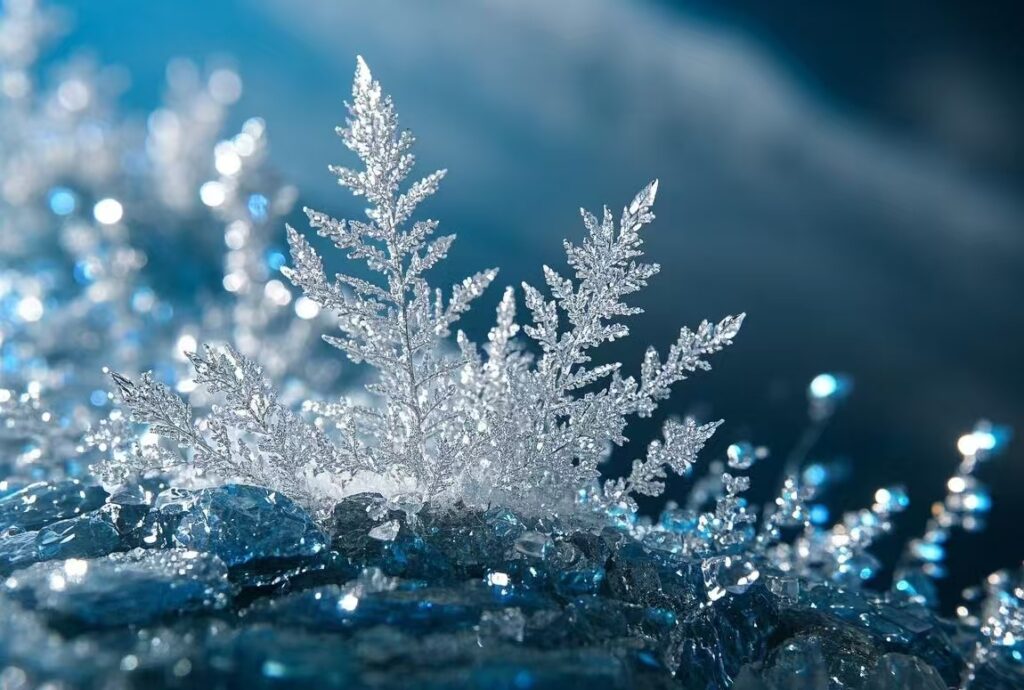
Silver crystals are intricate, tree-like structures formed through a chemical reaction. They’re created when silver ions in a solution are reduced to metallic silver, resulting in stunning, branching patterns that resemble frost or coral.
How to Grow Silver Crystals
Materials Needed:
- Silver nitrate solution (available at chemical supply stores)
- Copper wire or a piece of copper metal
- Distilled water
- Glass container
- Safety gloves and goggles
Steps:
- Prepare the Solution: Dissolve a small amount of silver nitrate in distilled water in a glass container.
- Add the Copper: Coil a piece of copper wire or place a small copper object into the solution.
- Observe the Reaction: Over time, silver crystals will begin to form on the copper as the silver ions are reduced.
- Let It Grow: Allow the crystals to grow for several hours or days, depending on the desired size and complexity.
Safety Tips
- Always wear gloves and goggles when handling silver nitrate, as it can stain skin and irritate eyes.
- Work in a well-ventilated area and dispose of chemicals properly.
Why This Experiment Is So Cool
- Visual Appeal
The delicate, branching structures of silver crystals are mesmerizing to watch as they form. - Educational Value
This experiment teaches principles of chemistry, including redox reactions and crystal growth. - Creative Potential
The unique shapes and patterns of the crystals can inspire artistic projects or science displays.
Final Thoughts
Growing silver crystals is a rewarding and eye-opening experiment that combines science and art. It’s a great way to learn about chemical reactions while creating something beautiful. Whether you’re doing it for fun or as part of a science lesson, this activity is sure to spark curiosity and wonder.