There’s something magical about fresh herbs. They have the power to transform a simple dish into a culinary masterpiece, adding layers of flavor, aroma, and color. Among these herbs, fresh thyme holds a special place. With its delicate leaves, earthy fragrance, and versatile uses, thyme is a staple in kitchens and gardens around the world. But did you know that thyme is more than just a culinary herb? It’s also a medicinal powerhouse with a rich history. In this blog, we’ll explore the wonders of fresh thyme, from its culinary uses to its health benefits and tips for growing your own.
A Brief History of Thyme
Thyme (Thymus vulgaris) has been cherished for centuries. Ancient Egyptians used it in their embalming practices, while the Greeks and Romans burned it as incense and added it to baths for its purifying properties. The name “thyme” comes from the Greek word thymos, which means courage, and it was often associated with bravery and strength. Today, thyme remains a beloved herb in Mediterranean, French, and Middle Eastern cuisines, as well as a popular remedy in natural medicine.
Culinary Uses of Fresh Thyme
Fresh thyme is a versatile herb that pairs well with a wide range of dishes. Its slightly minty, lemony flavor complements both savory and sweet recipes. Here are some ways to use fresh thyme in your cooking:
- Soups and Stews: Thyme is a classic addition to hearty soups and stews. Its robust flavor holds up well during long cooking times, infusing the dish with depth and warmth.
- Roasted Meats and Vegetables: Sprinkle fresh thyme leaves over roasted chicken, lamb, or root vegetables like potatoes and carrots. The herb’s earthy notes enhance the natural flavors of the ingredients.
- Marinades and Sauces: Add thyme to marinades for grilled meats or incorporate it into sauces like béarnaise or tomato sauce for an extra layer of flavor.
- Baking: Believe it or not, thyme can even be used in baking! Try adding a pinch of fresh thyme to bread dough or shortbread cookies for a unique twist.
- Infused Oils and Vinegars: Steep fresh thyme sprigs in olive oil or vinegar to create flavorful infusions that can be used in salad dressings or as a finishing touch for dishes.
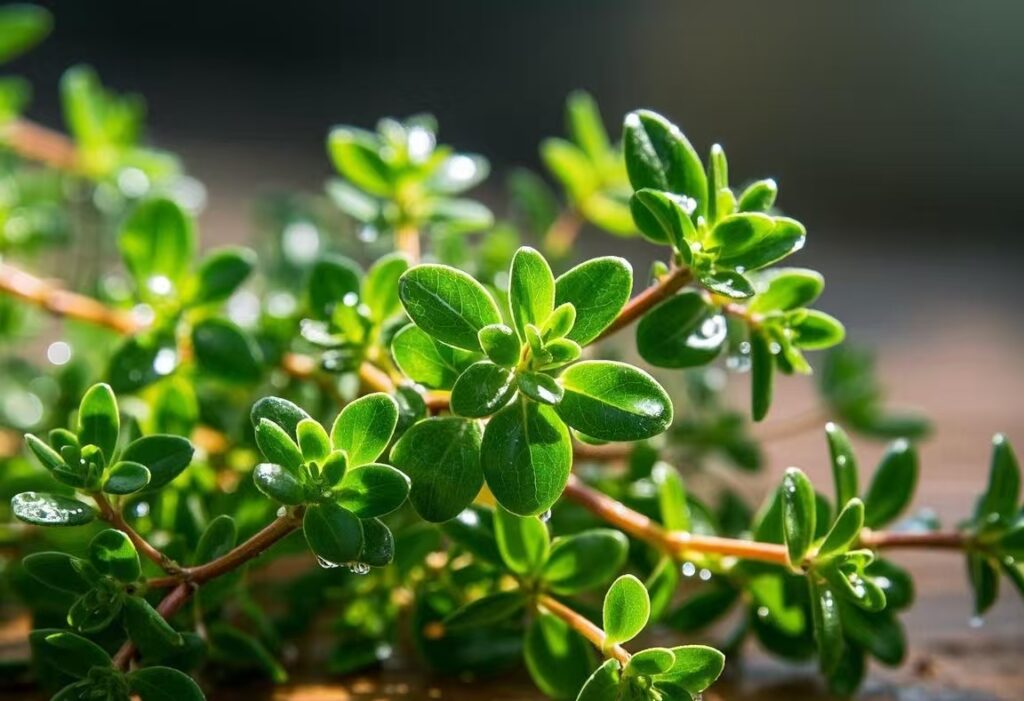
Health Benefits of Fresh Thyme
Beyond its culinary uses, fresh thyme is packed with health benefits. It’s rich in vitamins, minerals, and antioxidants, making it a valuable addition to your diet. Here are some of its notable benefits:
- Boosts Immunity: Thyme is high in vitamin C and vitamin A, both of which support a healthy immune system.
- Antibacterial and Antifungal Properties: Thyme contains thymol, a compound known for its antimicrobial properties. It has been used traditionally to treat infections and promote wound healing.
- Supports Respiratory Health: Thyme has been used for centuries to relieve coughs, sore throats, and congestion. Its expectorant properties help clear mucus from the airways.
- Rich in Antioxidants: The antioxidants in thyme help protect the body from oxidative stress and inflammation, which are linked to chronic diseases.
- Aids Digestion: Thyme can help soothe an upset stomach and improve digestion by stimulating the production of digestive enzymes.
Growing Your Own Fresh Thyme
One of the best things about thyme is how easy it is to grow, whether you have a garden or just a small windowsill. Here are some tips for growing fresh thyme at home:
- Choose the Right Spot: Thyme thrives in well-drained soil and plenty of sunlight. If you’re planting it outdoors, choose a sunny spot with good drainage. For indoor growing, place your thyme plant near a sunny window.
- Water Sparingly: Thyme is drought-tolerant and prefers dry conditions. Overwatering can lead to root rot, so let the soil dry out between waterings.
- Prune Regularly: Regular pruning encourages bushier growth and prevents the plant from becoming woody. Snip off the top few inches of the stems as needed.
- Harvest with Care: To harvest fresh thyme, simply snip off the stems as needed. The best time to harvest is in the morning when the essential oils are most concentrated.
Conclusion
Fresh thyme is truly a gift from nature. Whether you’re using it to elevate your cooking, boost your health, or simply enjoy its fragrant presence in your garden, this humble herb has so much to offer. Next time you’re at the market or planning your garden, don’t overlook fresh thyme. Its versatility and benefits make it a must-have in any kitchen or home.
Do you have a favorite recipe or use for fresh thyme? Share it in the comments below—I’d love to hear how you incorporate this wonderful herb into your life!