Ceres, the largest object in the asteroid belt between Mars and Jupiter, is a fascinating world that has captured the curiosity of astronomers for decades. Once classified as a planet, Ceres is now recognized as a dwarf planet, much like Pluto. But what makes Ceres so special? Let’s explore its unique characteristics, potential for life, and why it remains a key focus of space exploration.
A Brief History of Ceres
Discovered in 1801 by Giuseppe Piazzi, Ceres was initially considered a planet before being reclassified as an asteroid. However, in 2006, the International Astronomical Union (IAU) designated it a dwarf planet, making it the only one located in the inner solar system.
Key Facts About Ceres
- Size: Ceres has a diameter of about 590 miles (940 km), making it the largest object in the asteroid belt.
- Composition: Scientists believe Ceres contains water ice beneath its surface, which has fueled speculation about its potential to support life.
- Atmosphere: It has a thin exosphere, mainly composed of water vapor.
- Bright Spots: NASA’s Dawn spacecraft discovered mysterious bright spots in Ceres’ Occator Crater, which were later identified as salt deposits, likely left behind by evaporating water.
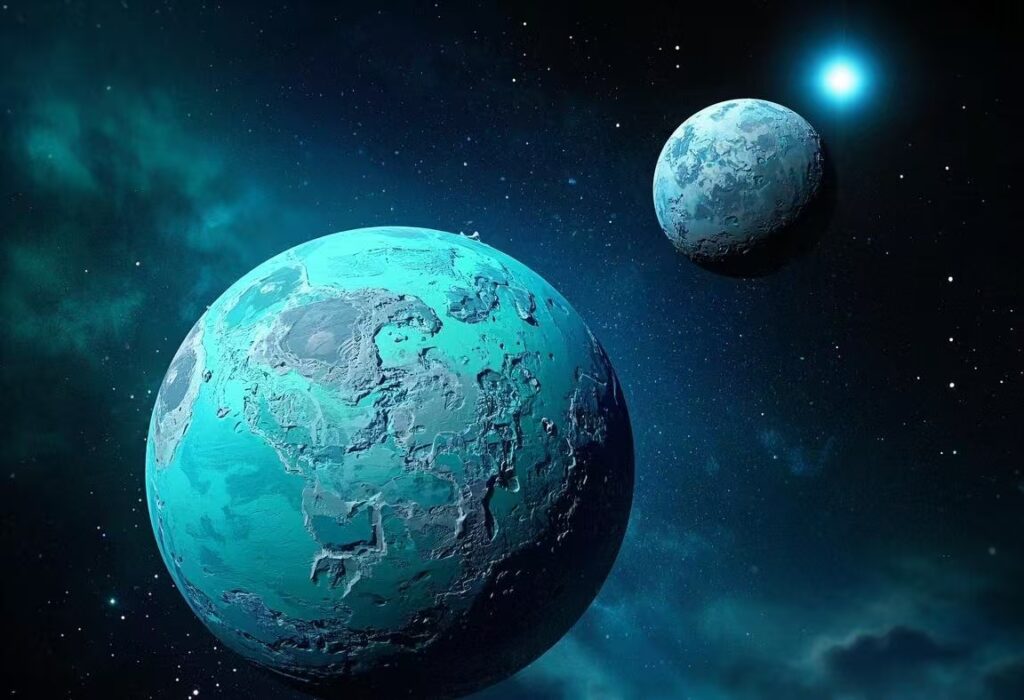
Could Ceres Harbor Life?
One of the most exciting aspects of Ceres is the possibility that it once had—or still has—liquid water beneath its surface. Since water is a key ingredient for life, some scientists speculate that microbial life could exist deep inside the planet, similar to environments on Europa or Enceladus.
Ceres and Space Exploration
In 2015, NASA’s Dawn spacecraft became the first mission to orbit a dwarf planet, providing detailed images and data about Ceres’ surface, composition, and geological activity. The mission revealed that Ceres is geologically active, with signs of past cryovolcanism (ice volcanoes).
The Future of Ceres Exploration
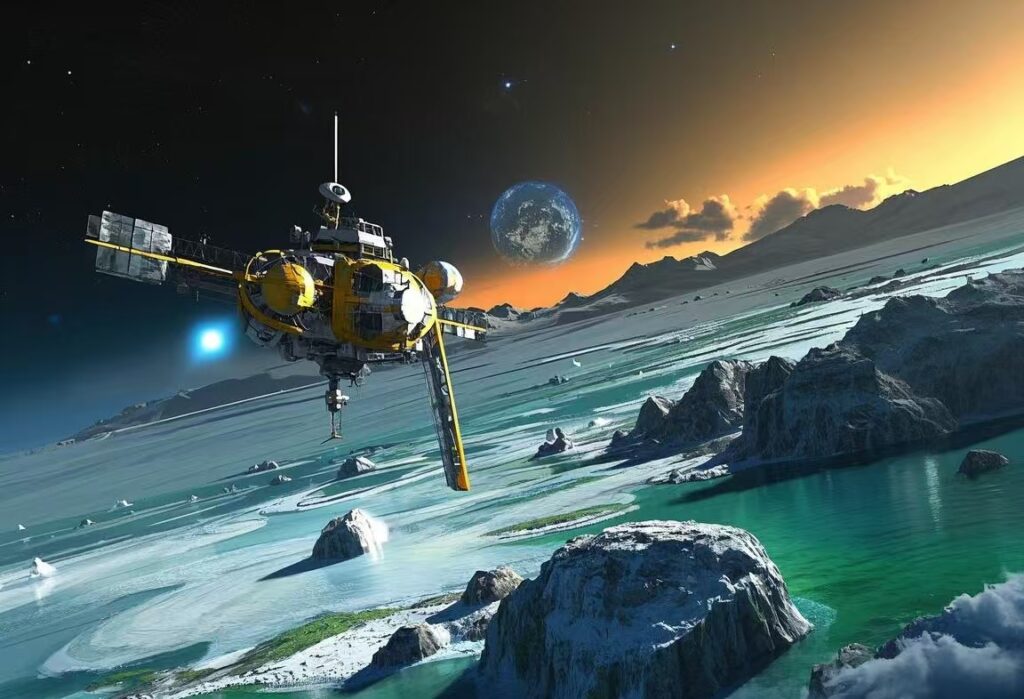
As we continue to search for habitable worlds beyond Earth, Ceres remains a top candidate for future exploration. Scientists hope to send new missions to drill into its surface and uncover more secrets about its water reserves, geology, and potential for life.
Final Thoughts
Ceres is a hidden gem of our solar system, offering clues about planetary formation and the possibility of life beyond Earth. As technology advances, future missions could help unlock the mysteries of this enigmatic dwarf planet.
Would you be excited to see a rover explore Ceres in the future? Share your thoughts in the comments! 🚀🔭