Butterflies are some of the most beautiful and fascinating creatures in nature. With their delicate wings, vibrant colors, and graceful flight, they bring a sense of wonder and tranquility wherever they go. But there’s more to these insects than just their beauty—they play an essential role in our ecosystems as pollinators and indicators of a healthy environment.
The Life Cycle of a Butterfly
Butterflies go through an incredible transformation known as metamorphosis, which consists of four stages:
1️⃣ Egg – A tiny egg is laid on the underside of a leaf.
2️⃣ Caterpillar (Larva) – The caterpillar hatches and begins eating to grow.
3️⃣ Chrysalis (Pupa) – The caterpillar forms a cocoon, where it undergoes transformation.
4️⃣ Butterfly – A fully developed butterfly emerges, ready to fly!
Why Butterflies Are Important
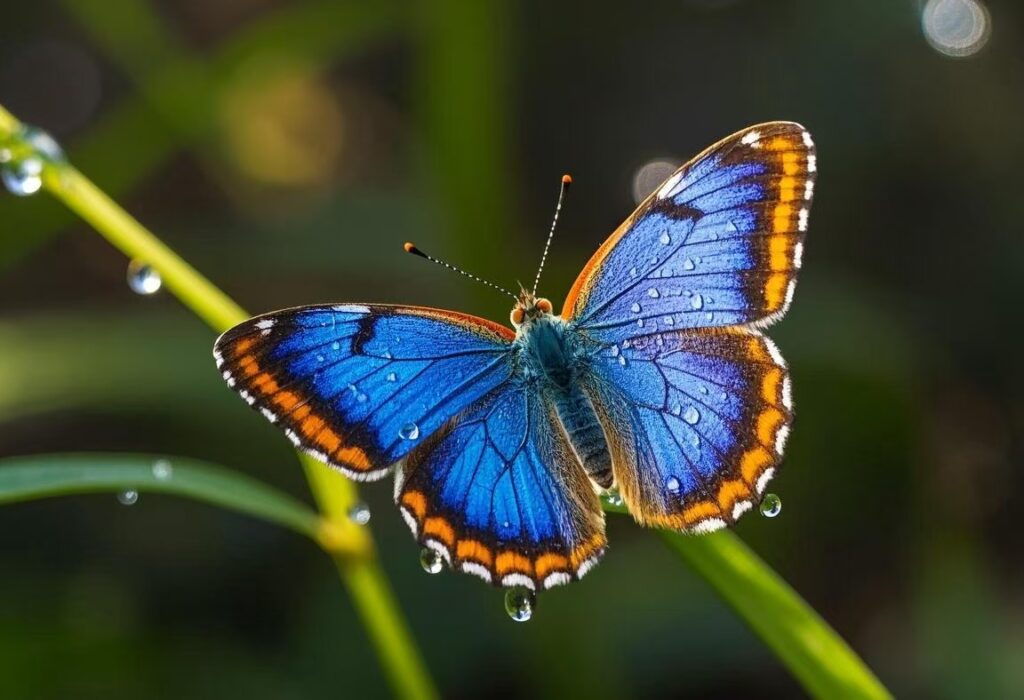
🌸 Pollination – They help flowers reproduce by transferring pollen.
🌍 Ecosystem Health – Their presence indicates a balanced environment.
🐦 Food Source – Birds and other animals rely on butterflies as part of the food chain.
How to Attract Butterflies to Your Garden
🌿 Plant Native Flowers – Choose nectar-rich flowers like milkweed, lavender, and butterfly bush.
☀️ Provide Sunlight – Butterflies love warm, sunny areas.
💧 Offer Water – A shallow dish with water and stones helps keep them hydrated.
🚫 Avoid Pesticides – Chemicals can harm butterflies and their caterpillars.
Fascinating Butterfly Facts
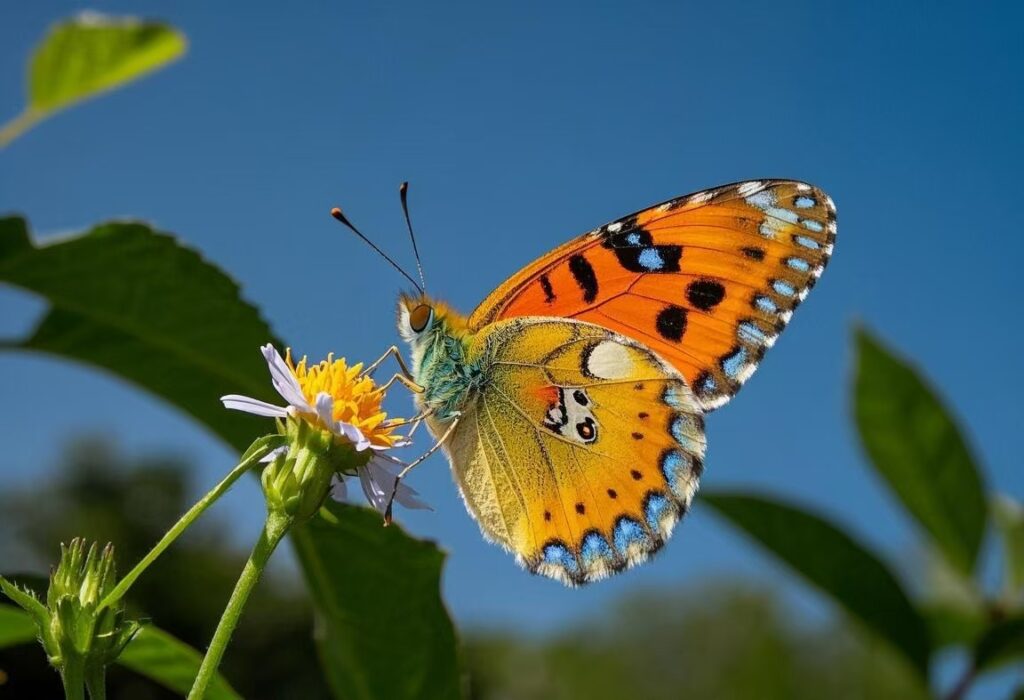
🦋 Some butterflies migrate thousands of miles, like the Monarch Butterfly.
🌈 Their wing colors come from tiny scales that reflect light.
👁️ Butterflies can see ultraviolet light, which helps them find flowers.
Final Thoughts
Butterflies are more than just pretty insects—they are vital to our planet. By creating butterfly-friendly spaces, we can help support these amazing creatures and enjoy their beauty in our own backyards.