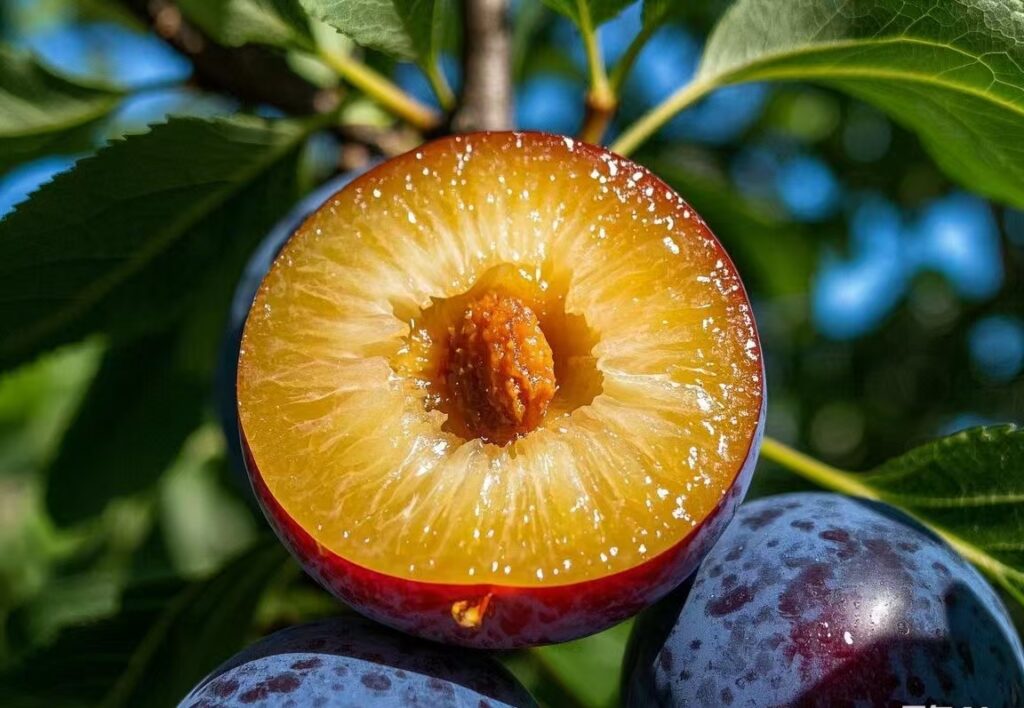
Growing a baby plum tree can be a rewarding experience, but it’s easy to feel unsure of how to properly care for these delicate young trees. Whether you’re planting a baby plum tree in your garden or nurturing one in a pot, the key to success is giving it the right environment, attention, and care. Here’s how to make sure your baby plum tree grows strong and healthy, avoiding the common mistakes that could harm it.
1. Choose the Right Location
Plum trees, even in their baby stages, need plenty of sunlight. Ideally, plant your tree in a spot where it will get 6-8 hours of direct sunlight per day. Choose an area with well-drained soil; plums don’t like soggy feet. Avoid low-lying areas that may collect water, as excess moisture can lead to root rot.
2. Prepare the Soil
Before planting, amend the soil with compost or organic matter to improve its texture and fertility. The ideal pH for plums is slightly acidic to neutral (around 6.0 to 7.0). If you’re unsure about your soil’s pH, get it tested and adjust accordingly with lime or sulfur.
3. Watering: Not Too Much, Not Too Little
One of the biggest mistakes you can make is overwatering or underwatering your baby plum tree. Young plum trees need consistent moisture, but the soil should never be soggy. Water deeply but infrequently—aim to keep the soil moist, not drenched. A good rule of thumb is to water once or twice a week, depending on your climate and soil type.
4. Mulching to Retain Moisture
Apply a 2-3 inch layer of organic mulch around the base of your baby plum tree. Mulch helps retain moisture, keeps the soil cool, and suppresses weeds. Just be sure to keep the mulch away from the tree trunk to prevent rot.
5. Pruning: Be Gentle
Pruning is essential to keep your baby plum tree healthy and shaped properly, but be cautious not to overdo it, especially in the early years. Focus on removing any dead, damaged, or crossing branches. Pruning should be done during the dormant season (late winter to early spring) to avoid stressing the tree.
6. Fertilizing for Growth
In the first few years, baby plum trees benefit from a balanced, slow-release fertilizer. Look for one with equal parts nitrogen (N), phosphorus (P), and potassium (K). Fertilize in early spring before new growth begins, but avoid fertilizing in late fall, as this can encourage new growth that may not harden off before winter.
7. Protection from Pests and Diseases
Plum trees are susceptible to various pests, including aphids, caterpillars, and plum curculio. Regularly check your tree for signs of insect activity and take action if needed. Organic insecticidal soaps or neem oil can help keep pests under control. Additionally, watch for diseases like brown rot and powdery mildew, especially in humid or rainy climates. Early detection is key to preventing the spread of disease.
8. Winter Care
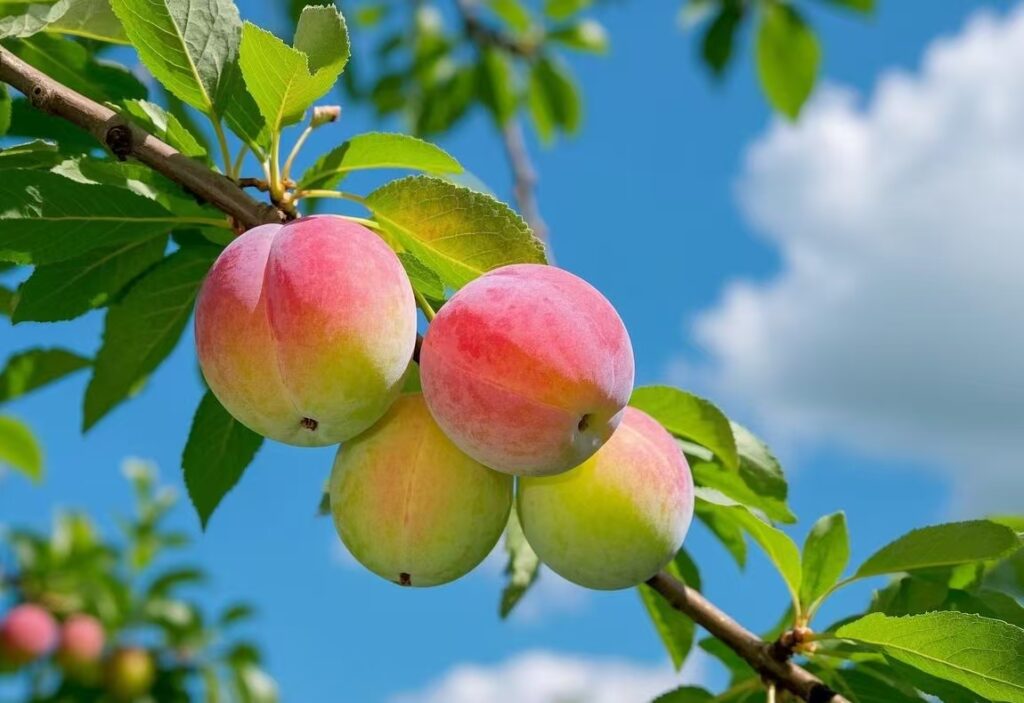
Young plum trees are sensitive to frost, so make sure to protect your baby plum tree from harsh winter conditions. In areas with freezing winters, wrap the tree trunk with burlap or tree wrap to protect it from frost cracks and winter winds. If the tree is in a pot, consider moving it to a sheltered location or bring it indoors during the coldest months.
9. Patience is Key
Remember, baby plum trees need time to mature and bear fruit. It may take 3-5 years for your tree to begin producing plums, so don’t be discouraged if you don’t see immediate results. Be patient, and continue to care for it as it grows.
Final Thoughts
Caring for a baby plum tree is an investment in both time and attention, but with proper care, it can reward you with delicious fruit for years to come. By choosing the right location, maintaining proper watering and fertilizing schedules, and watching out for pests and diseases, you’ll help ensure your plum tree thrives and grows into a beautiful, productive adult tree.