Ohio is home to a diverse range of native plants, and one of the more intriguing wildflowers is the Ohio False Foxglove (Agalinis ohioensis). This delicate, eye-catching plant is often overlooked but plays an important role in the region’s ecosystems.
What is Ohio False Foxglove?
Ohio False Foxglove belongs to the Orobanchaceae family, a group of plants that includes both fully parasitic and hemiparasitic species. Unlike true foxgloves (Digitalis spp.), which belong to a different plant family, false foxgloves are native North American wildflowers that have their own unique characteristics.
Appearance and Blooming Season
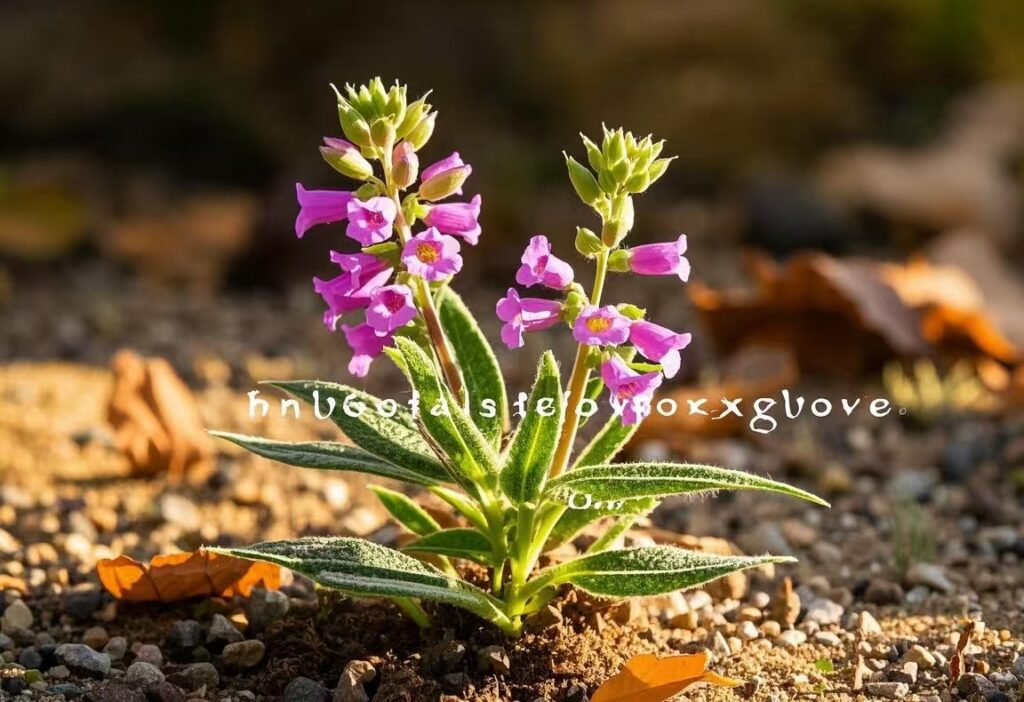
This wildflower typically blooms in late summer to early fall, producing stunning purple to pinkish-lavender flowers that resemble small foxglove blooms. Each delicate blossom has five fused petals, creating a trumpet-like shape that attracts pollinators, especially bees and butterflies.
The plant’s slender, branching stems and fine, needle-like leaves give it a wispy, airy appearance, allowing it to blend beautifully into prairies, open woodlands, and grasslands.
A Hemiparasitic Plant
One of the most fascinating aspects of Ohio False Foxglove is that it is a hemiparasite—meaning it can produce its own food through photosynthesis but also taps into the roots of nearby plants, particularly grasses, to extract additional nutrients. This unique adaptation helps it thrive in nutrient-poor soils and makes it an essential component of certain ecosystems.
Where Does It Grow?
Ohio False Foxglove is native to the Midwestern and Eastern United States, with populations commonly found in Ohio, Indiana, and surrounding states. It prefers dry, sandy, or well-drained soils and can be spotted in prairies, meadows, and open woodlands. Conservation efforts are crucial in areas where natural habitats are declining due to agriculture and urban development.
Ecological Importance
- Supports Pollinators: The flowers provide nectar for bees, butterflies, and other insects.
- Boosts Biodiversity: As a hemiparasitic plant, it interacts with surrounding plant species, contributing to a balanced ecosystem.
- Indicator of Healthy Habitats: Because it thrives in specific conditions, its presence often signals a well-maintained prairie or grassland.
Conservation and Cultivation
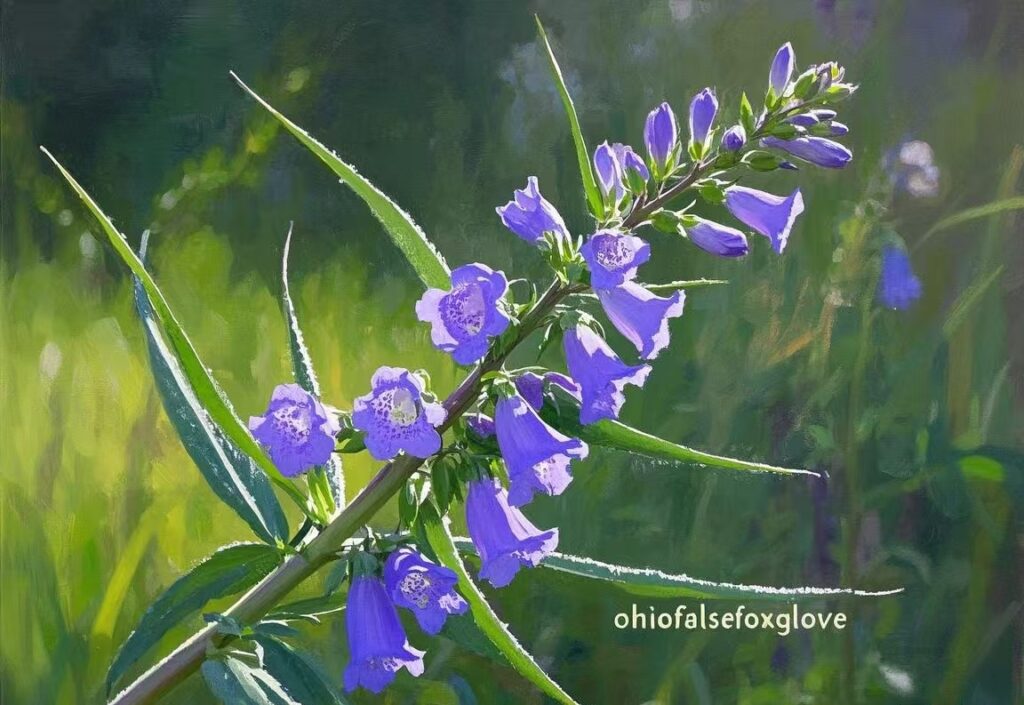
While Ohio False Foxglove is not considered endangered, its habitat is under threat due to land development and changes in land use. Conservation groups work to preserve native prairies where this plant naturally occurs.
For native plant enthusiasts and gardeners interested in supporting local biodiversity, Ohio False Foxglove can be cultivated in native plant gardens or prairie restorations. It pairs well with other native grasses and wildflowers such as goldenrods, asters, and coneflowers.
Final Thoughts
Ohio False Foxglove may not be as well-known as some other wildflowers, but its delicate beauty and ecological significance make it a valuable part of Ohio’s natural heritage. Whether you’re hiking through a prairie or considering native plants for your garden, this fascinating species is worth appreciating and protecting.