Elfin thyme (Thymus serpyllum) is a charming and versatile plant that makes an excellent addition to any garden. With its tiny, fragrant leaves and delicate purple – pink flowers, it not only adds beauty but also a pleasant aroma. Whether you want to use it as a groundcover, in rock gardens, or even in containers, growing elfin thyme can be a rewarding experience. Here’s a comprehensive guide on how to cultivate this lovely herb.
Understanding Elfin Thyme
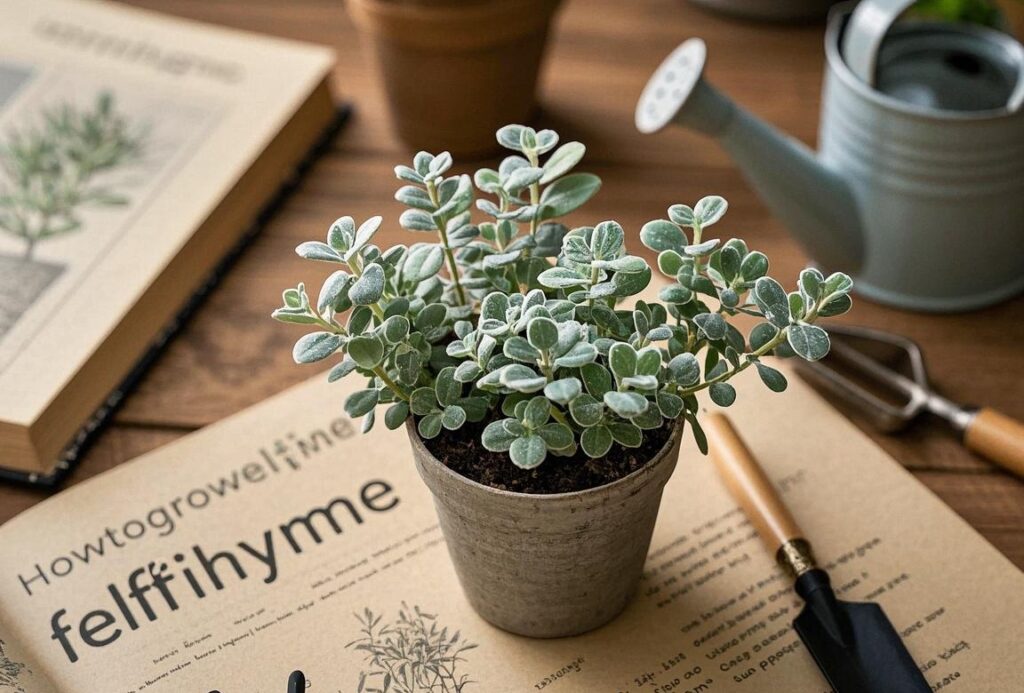
Elfin thyme is a low – growing perennial herb that belongs to the mint family. It typically reaches a height of only 2 – 3 inches (5 – 7.5 cm) but spreads horizontally, forming a dense mat. The leaves are small, oval – shaped, and usually have a gray – green color. In the summer, it produces clusters of small, tubular flowers that range from pale pink to lavender. This plant is native to Europe and parts of Asia and is well – adapted to sunny, well – drained environments.
Selecting the Right Location
- Sunlight Requirements
Elfin thyme thrives in full sun. It needs at least 6 – 8 hours of direct sunlight per day to grow and flower properly. When choosing a location in your garden, look for an area that gets plenty of sun exposure. If you live in a region with hot summers, some afternoon shade may be beneficial, but generally, more sun is better for this plant. For example, a south – facing garden bed or a spot on a sunny patio would be ideal. - Soil Conditions
This herb prefers well – drained soil. It can tolerate a variety of soil types, including sandy, loamy, or rocky soils. However, the key is to ensure good drainage. Poorly drained soil can lead to root rot and other problems. The soil should be slightly acidic to neutral, with a pH range of 6.0 – 7.0. If your soil is heavy clay, you can amend it by adding sand, perlite, or organic matter like compost to improve drainage.
Planting Elfin Thyme
- Propagation Methods
- Seeds: You can start elfin thyme from seeds. Sow the seeds indoors about 6 – 8 weeks before the last frost date in your area. Use a seed – starting mix and lightly cover the seeds with a thin layer of soil. Keep the soil moist but not waterlogged. Germination usually takes 1 – 2 weeks. Once the seedlings have developed a few sets of true leaves and the danger of frost has passed, you can transplant them outdoors.
- Division: Another common method is division. This is best done in the spring or early fall. Dig up an established clump of elfin thyme and carefully separate the plant into smaller sections, making sure each section has some roots attached. Replant these divisions in your desired location.
- Cuttings: Take 3 – 4 – inch (7.5 – 10 cm) cuttings from a healthy elfin thyme plant in the spring or summer. Remove the lower leaves and dip the cut end in a rooting hormone. Plant the cuttings in a pot filled with a well – drained potting mix. Keep the soil moist and the cuttings in a warm, bright location (but out of direct sunlight). Roots should develop in 2 – 3 weeks, and then you can transplant them to the garden.
- Spacing
When planting elfin thyme, space the plants 6 – 12 inches (15 – 30 cm) apart. This allows them enough room to spread and form a continuous groundcover. If you’re using them in a rock garden or a small container, you can space them a bit closer together.
Care and Maintenance
- Watering
Elfin thyme is relatively drought – tolerant once established. However, during the first few weeks after planting, it’s important to keep the soil evenly moist to help the roots establish. After that, water only when the top inch (2.5 cm) of soil feels dry. Overwatering can be a problem, so it’s better to underwater than overwater. In hot, dry weather, you may need to water more frequently, but always check the soil moisture first. - Fertilizing
This plant doesn’t require a lot of fertilizer. A light application of a balanced, slow – release fertilizer in the spring can be beneficial. You can also use a thin layer of compost around the plants as a natural source of nutrients. Avoid over – fertilizing, as this can cause the plant to grow leggy and lose its compact form. - Pruning
Pruning elfin thyme is not strictly necessary, but it can help keep the plant looking neat and encourage bushier growth. After the plant has finished flowering, you can trim back the spent flower stalks. You can also give the entire plant a light trim in the spring to remove any dead or damaged foliage. Use sharp pruning shears or scissors to make clean cuts. - Pest and Disease Control
Elfin thyme is generally a hardy plant with few pest and disease problems. However, it can be susceptible to root rot if the soil is too wet. Aphids and spider mites may occasionally attack the plant, but these can usually be controlled with insecticidal soap or neem oil. Keep an eye on your plants regularly to catch any problems early.
Using Elfin Thyme in the Garden
- Groundcover
As a groundcover, elfin thyme creates a beautiful, low – lying carpet. It can be used to fill in between stepping stones, along pathways, or in large open areas. Its spreading habit helps prevent soil erosion and adds a touch of greenery and color. - Rock Gardens
Elfin thyme is a natural fit for rock gardens. Its small size and ability to grow in rocky, well – drained soil make it perfect for tucking in between rocks. The colorful flowers contrast nicely with the stones, creating an attractive and natural – looking display. - Containers
You can also grow elfin thyme in containers. Combine it with other low – growing herbs or flowers for a charming container garden. Place the container on a patio, balcony, or windowsill where it can receive plenty of sunlight.
In conclusion, growing elfin thyme is relatively easy as long as you provide it with the right conditions. With its attractive appearance, pleasant fragrance, and versatility, it’s a wonderful addition to any garden. So, why not give it a try and enjoy the beauty and benefits of this delightful plant?