Nandina domestica, commonly known as Heavenly Bamboo, is a versatile evergreen shrub prized for its delicate foliage, vibrant berries, and low-maintenance nature. However, without proper pruning, it can become leggy, overgrown, or even invasive. In this guide, we’ll cover the best techniques for pruning nandina to maintain its shape, encourage healthy growth, and boost berry production.
Why Prune Nandina?
✔ Control Size – Prevents overgrowth and maintains a tidy appearance.
✔ Encourage Bushiness – Promotes denser foliage and better berry production.
✔ Remove Dead/Damaged Growth – Improves plant health and airflow.
✔ Prevent Invasive Spread – Some varieties reseed aggressively; pruning helps manage unwanted growth.
When to Prune Nandina
Best Time:
- Late Winter to Early Spring (before new growth starts) – Ideal for major shaping.
- Light Maintenance Pruning – Can be done anytime except late fall (to avoid winter damage).
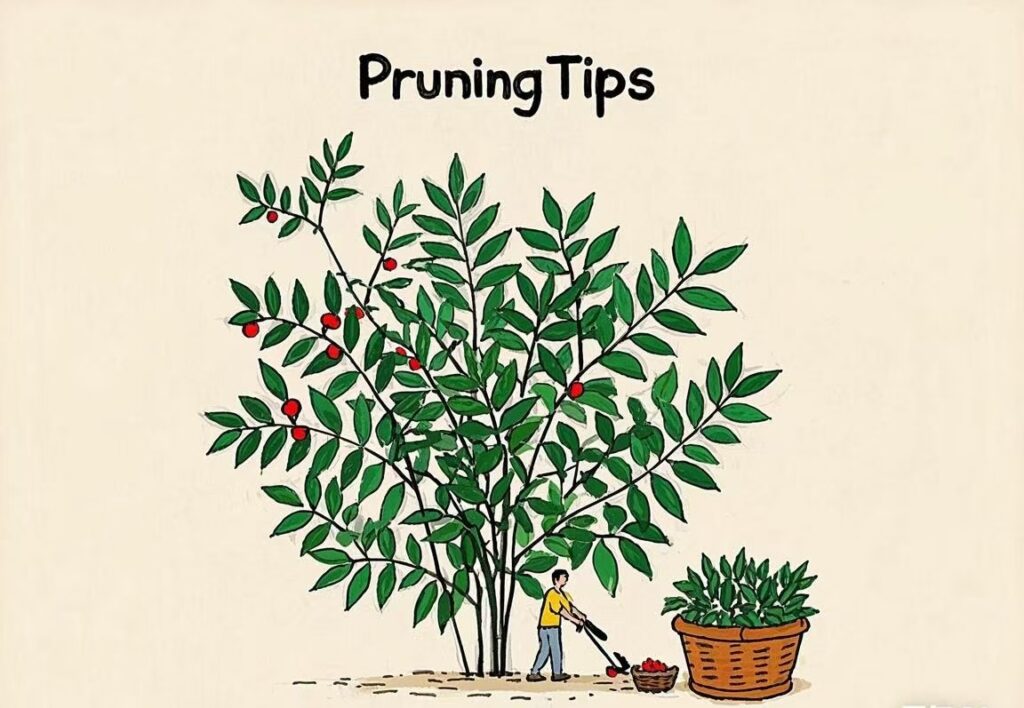
Avoid Pruning in Fall
- Cutting back too late in the season can stimulate tender new growth that may freeze in winter.
How to Prune Nandina (Step-by-Step)
Tools Needed:
- Sharp bypass pruners
- Loppers (for thicker canes)
- Gloves (nandina sap can irritate skin)
Step 1: Remove Dead or Damaged Stems
- Cut any diseased, broken, or dead canes at the base.
- This improves air circulation and prevents pest issues.
Step 2: Thin Out Older Canes
- Nandina grows from the base, so remove 1/3 of the oldest stems each year.
- Cut these canes at ground level to encourage fresh growth.
Step 3: Shape the Plant
- Trim back leggy branches to a leaf node or side shoot to encourage bushiness.
- Avoid shearing like a hedge—this creates unnatural dense tops with bare bottoms.
Step 4: Control Height (If Needed)
- For overgrown nandinas, you can cut the entire plant back to 6-12 inches in early spring.
- It will regrow vigorously but may take a year to produce berries again.
Special Pruning for Berry Production
Nandina’s bright red berries are a key ornamental feature, but they only grow on mature stems (2+ years old). To maximize berries:
- Avoid heavy pruning every year—rotate thinning instead.
- Leave some older canes to ensure consistent berry clusters.
Common Nandina Pruning Mistakes
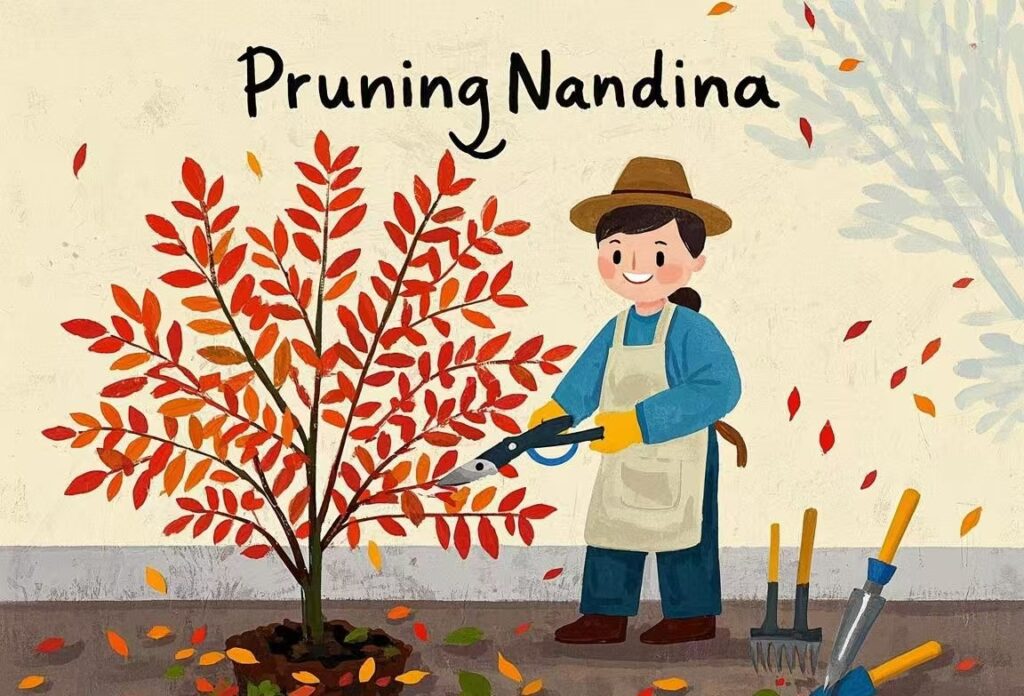
❌ Topping the Plant (creates stubby, unnatural growth).
❌ Pruning All Canes at Once (reduces berry production).
❌ Using Dull Tools (causes ragged cuts that invite disease).
Aftercare Tips
- Water deeply after heavy pruning to reduce stress.
- Apply mulch to retain moisture and regulate soil temperature.
- Fertilize lightly in spring with a balanced shrub fertilizer.
Final Thoughts
Proper pruning keeps nandina healthy, attractive, and under control. Whether you’re maintaining a compact shrub or rejuvenating an overgrown plant, these tips will help you achieve the best results.