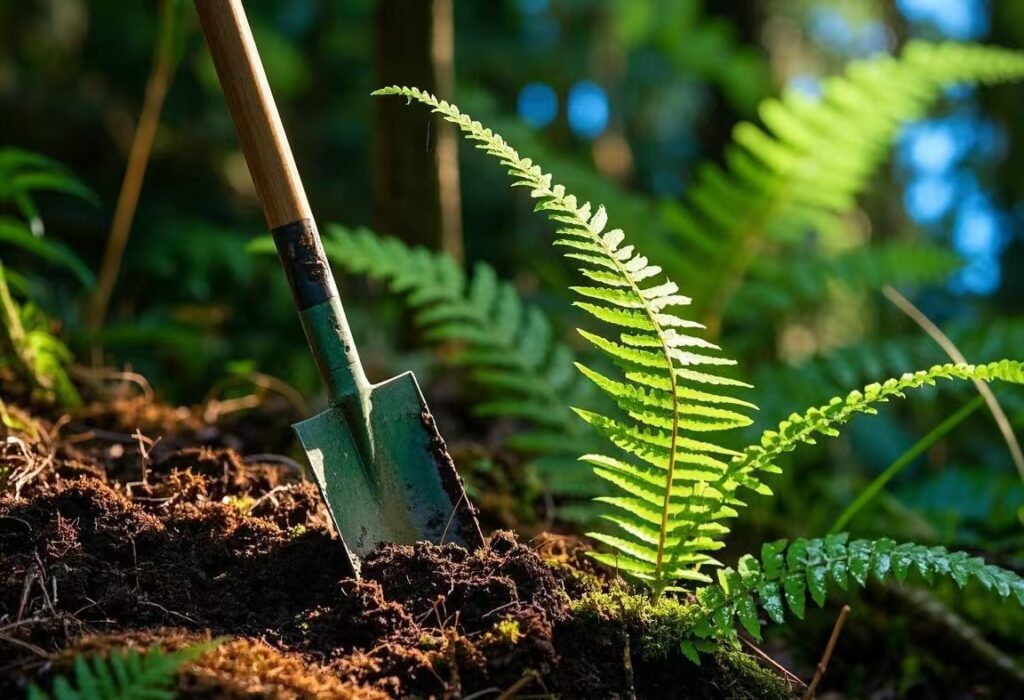
When we think of lush, green rainforests, we often imagine towering trees, abundant plant life, and diverse ecosystems. However, one surprising aspect of these environments is the soil beneath our feet. Is rainforest soil really thin, as some suggest? In this blog, we’ll explore the characteristics of rainforest soil, how it differs from other types of soil, and why it plays a crucial role in the health of tropical rainforests.
What Is Rainforest Soil Like?
Rainforest soil, particularly in tropical rainforests, is often described as relatively thin when compared to soils found in temperate forests or other ecosystems. However, it’s essential to understand that the term “thin” in this context refers to the relatively shallow depth of the fertile layer, not its ability to support plant life.
Tropical rainforests are characterized by high temperatures, abundant rainfall, and a year-round growing season. These conditions contribute to rapid nutrient cycling, which influences the nature of the soil.
Key Characteristics of Rainforest Soil
- Shallow, Nutrient-Poor Topsoil
One defining feature of rainforest soil is that its nutrient-rich layer is usually very shallow. Most of the vital nutrients in tropical rainforests are found in the uppermost layer of the soil, often within the top few centimeters. This is because the constant cycle of rainfall and rapid plant growth means nutrients are quickly absorbed by plants and trees. - High Decomposition Rate
The rapid decomposition of organic matter in the rainforest means that nutrients are constantly being recycled in the soil. Plants and trees shed leaves and other organic material, which quickly breaks down in the hot, moist conditions, returning nutrients to the soil. However, because the soil is so shallow, it doesn’t retain nutrients as effectively as soils in other climates. - Leaching of Nutrients
Heavy rainfall in tropical rainforests leads to leaching, where nutrients are washed away from the soil by the water. This process can wash away valuable minerals and nutrients, making the soil less fertile in the long term unless plants and trees can quickly absorb what remains. This is one of the reasons why rainforest soil often has low nutrient content compared to other regions. - Acidic Soil
Rainforest soils tend to be more acidic, often with a pH below 6. This is due to the high levels of rainfall, which can increase the concentration of hydrogen ions in the soil. While many rainforest plants have adapted to acidic conditions, this acidity can also limit the availability of certain nutrients.
Why Is Rainforest Soil Thin?
Rainforest soil is thin due to the continuous cycle of nutrient uptake by plants and the leaching of nutrients by heavy rainfall. The rapid decomposition of organic matter ensures that plants have access to nutrients, but because the soil layer is so thin, it doesn’t store those nutrients for long. As a result, rainforest soils may not have the deep, nutrient-dense layers found in other ecosystems like temperate forests or grasslands.
This thin, nutrient-poor topsoil creates a unique challenge for agriculture or human habitation in tropical rainforest areas. Once the original vegetation is removed, such as in deforestation for farming or logging, the soil quickly loses its ability to support new plant life, leading to issues like soil erosion and desertification.
How Does the Thin Soil Affect Rainforest Ecosystems?
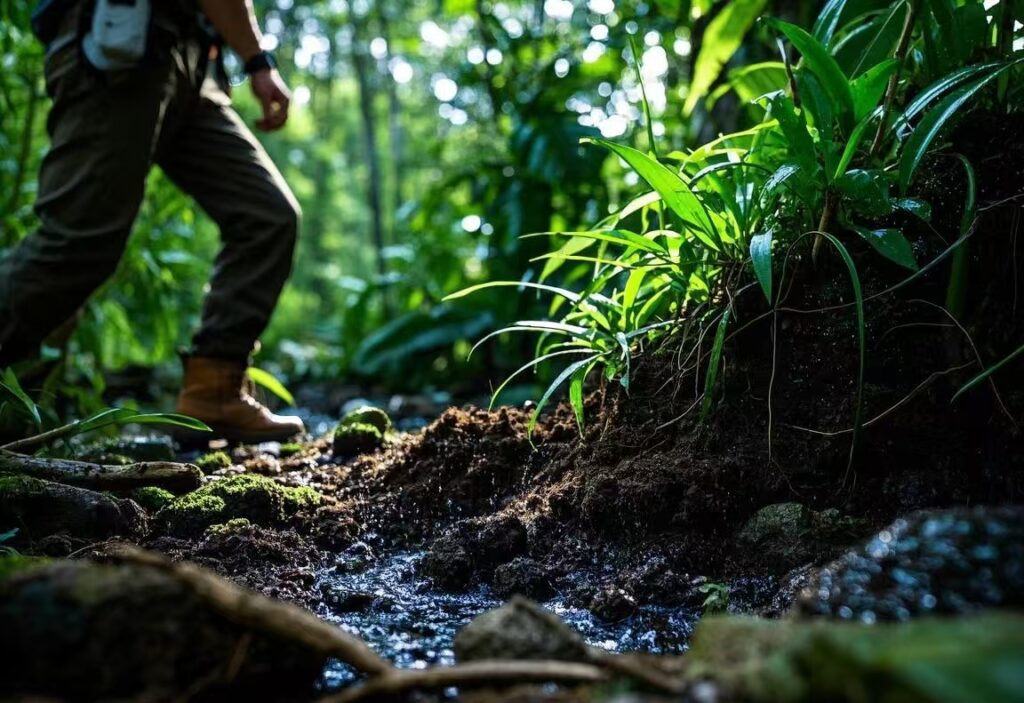
Despite its thinness, rainforest soil supports a highly productive and diverse ecosystem. The soil plays an important role in maintaining the delicate balance of nutrients in the environment. However, when disrupted by human activities like logging or agriculture, the impacts can be severe, as the soil is unable to replenish itself quickly.
- Ecosystem Productivity: While the soil itself may be thin and nutrient-poor, the quick recycling of organic material allows the forest to be incredibly productive. Plants can quickly take advantage of the nutrients available, supporting an abundance of animal life.
- Vulnerability to Deforestation: The shallow, nutrient-poor soil makes tropical rainforests vulnerable to deforestation. When trees are removed, the topsoil is often left exposed, which can lead to soil erosion and degradation. This prevents new plants from growing, damaging the ecosystem and reducing biodiversity.
- Dependency on Nutrient Cycling: Rainforest soils rely heavily on nutrient cycling. The process by which plants decompose and release nutrients back into the soil is critical for sustaining the ecosystem. Any disruption to this cycle can harm the entire system, making it difficult for the forest to recover after disturbances.
Can Rainforest Soil Be Improved?
While rainforest soils are naturally nutrient-poor and thin, sustainable agricultural practices and forest management techniques can help protect and improve soil health. For example:
- Agroforestry: Integrating trees with agricultural practices can help maintain the integrity of the soil by providing shade, reducing water runoff, and enhancing nutrient recycling.
- Reforestation and Afforestation: Planting trees in deforested areas can help restore soil fertility over time by reintroducing organic matter into the soil.
- Minimal Tillage: Reducing the amount of tillage in agricultural areas helps protect the thin topsoil layer and reduces the risk of erosion.
Conclusion
While rainforest soil may be thin and nutrient-poor, it plays a critical role in the thriving biodiversity of tropical rainforests. Understanding the characteristics of rainforest soil is key to protecting these invaluable ecosystems and ensuring that they continue to provide essential resources to the planet. Efforts to preserve, restore, and sustainably manage these soils are vital for the long-term health of both the environment and human societies that depend on it.
Have you ever considered the importance of rainforest soils in maintaining the global ecosystem? Share your thoughts or experiences in the comments below!
4o