When it comes to hiking and camping, having the right gear can make all the difference in ensuring a comfortable and enjoyable outdoor experience. One of the most essential, yet often overlooked, items is the hiking mattress. Whether you’re setting up camp for a weekend getaway or embarking on a multi-day trek, a good hiking mattress can provide the comfort and support you need for a restful night’s sleep. But with so many options available, how do you choose the right one for your needs?
In this blog, we’ll explore the importance of a hiking mattress, the different types available, and how to choose the best one for your outdoor adventures.
1. Why is a Hiking Mattress Important?
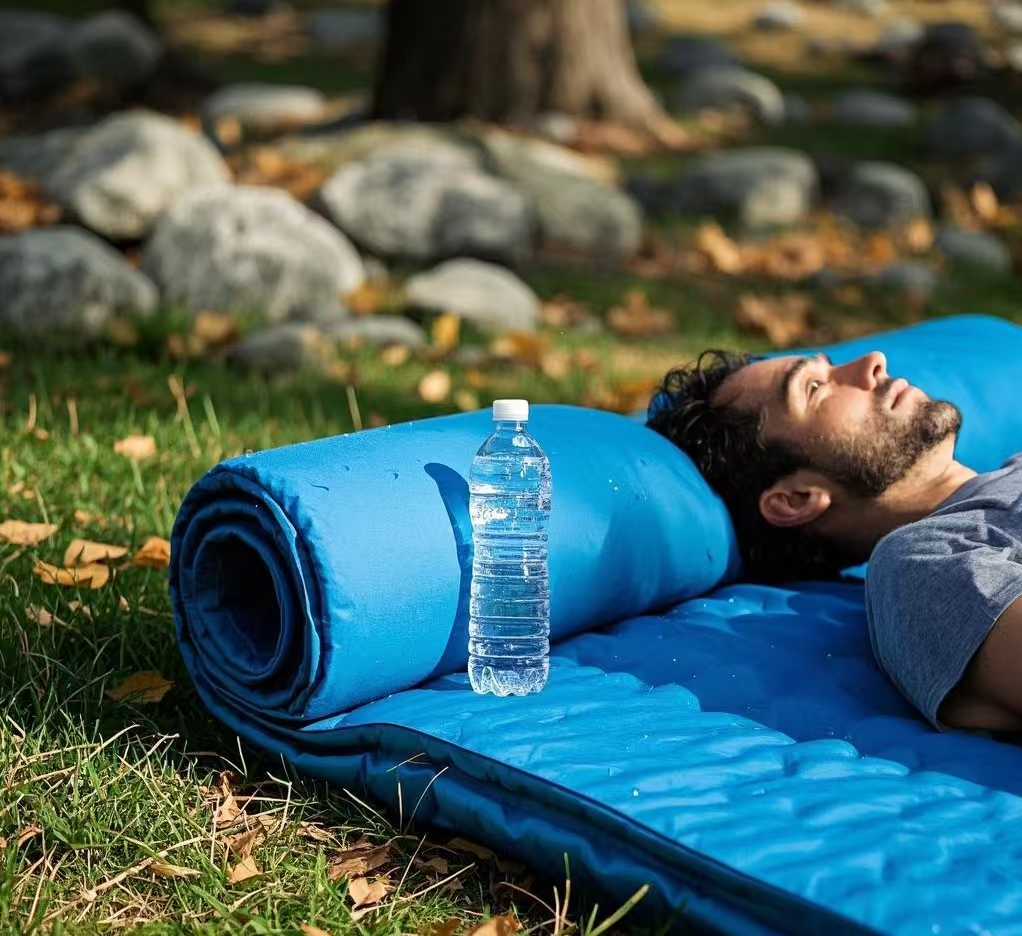
A good night’s sleep is crucial when you’re spending time outdoors. After a long day of hiking, your body needs rest to recharge, and a hiking mattress helps provide that. While a sleeping bag provides warmth, a mattress (or sleeping pad) offers cushioning, insulation, and protection from the hard, uneven ground. Without a mattress, you may end up tossing and turning all night, struggling with discomfort, sore muscles, or even feeling the cold seep up from the ground.
A hiking mattress serves several key purposes:
- Comfort: It provides cushioning against rough terrain, helping to alleviate pressure points and improve sleep quality.
- Insulation: It helps to insulate you from the cold ground, which is essential for maintaining body heat, especially in cooler conditions.
- Protection: It shields you from sharp objects like rocks or sticks, reducing the risk of injury while you sleep.
2. Types of Hiking Mattresses
There are three main types of hiking mattresses: air pads, foam pads, and self-inflating pads. Each type has its own advantages and disadvantages, depending on your needs and preferences.
Air Pads
Air pads are lightweight and compact, making them an excellent choice for those who prioritize packability and weight. They use air to provide cushioning and are typically inflated using a pump or by blowing air into a valve. Some air pads come with a higher level of comfort due to the thickness and adjustability of the air pressure.
- Pros:
- Lightweight and compact for easy packing.
- Adjustable firmness for personalized comfort.
- Offers a high level of comfort, especially with thicker models.
- Cons:
- Can be punctured or damaged more easily, though many come with repair kits.
- Generally more expensive than foam pads.
Foam Pads
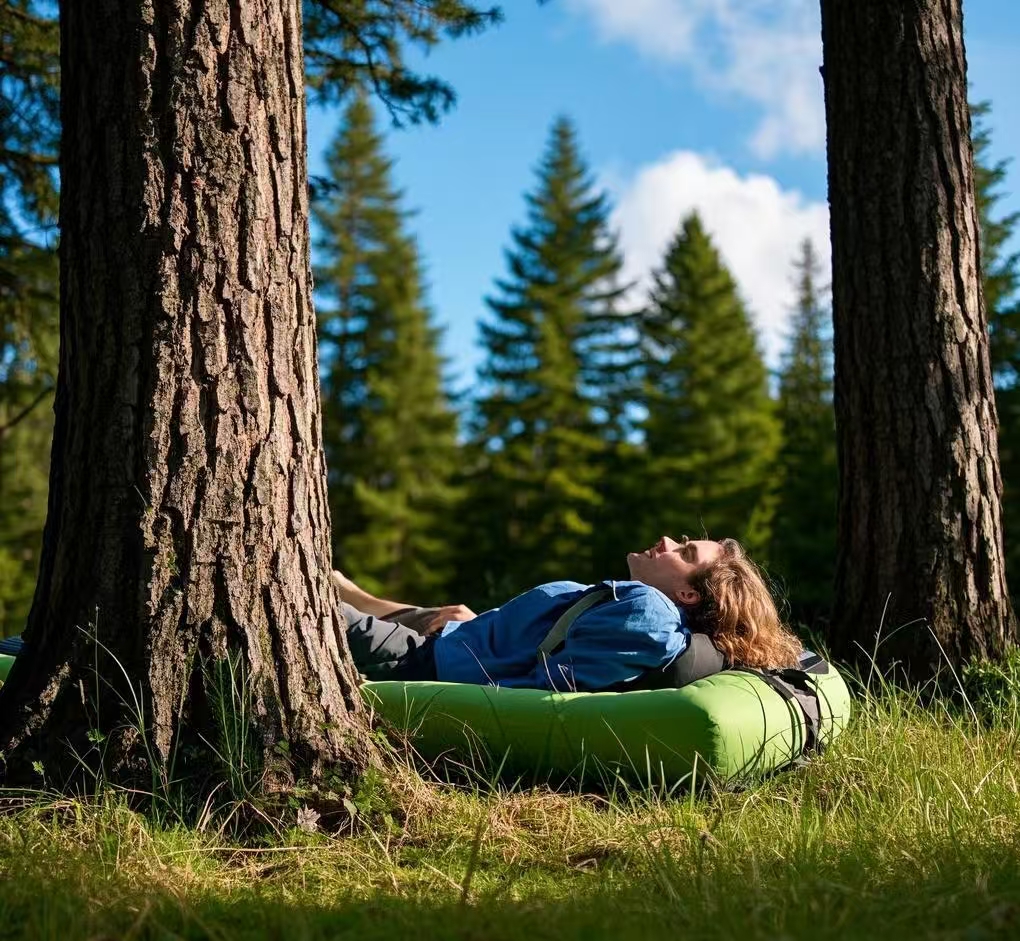
Foam pads are made from durable, closed-cell foam and are a simple, no-fuss option for those who need reliability. They’re lighter and tougher than air pads, making them ideal for rugged conditions. Foam pads do not require inflation and provide consistent cushioning regardless of the weather conditions.
- Pros:
- Extremely durable and unlikely to puncture.
- Affordable and low-maintenance.
- Provides reliable insulation from the ground.
- Cons:
- Bulkier and less comfortable compared to air pads.
- Can be less compact for packing.
Self-Inflating Pads
Self-inflating pads combine the benefits of foam and air pads. They have an internal foam structure that expands when the valve is opened, inflating the pad with air. While they don’t require manual inflation like air pads, they still offer adjustable firmness based on how much air is allowed in.
- Pros:
- Easy to use with automatic inflation.
- More comfortable than foam pads, often offering a good balance of cushion and insulation.
- Compact when rolled up for easy packing.
- Cons:
- Can be heavier than air pads.
- More prone to damage if punctured.
3. Key Considerations When Choosing a Hiking Mattress
When selecting a hiking mattress, it’s essential to consider several factors to ensure it meets your specific needs. Here are the key elements to keep in mind:
1. Comfort and Thickness
The thickness of the mattress plays a significant role in how comfortable it will be during the night. While a thicker mattress provides more cushioning, it can also be heavier and bulkier. Air pads generally offer more cushioning than foam pads, and some air pads are available in extra-thick versions for added comfort. If you’re going on a longer hike, comfort may be more important, so look for a mattress that provides adequate thickness without sacrificing packability.
2. Weight and Size
Weight is always a crucial consideration for hiking gear. A mattress that’s too heavy or bulky can take up valuable space in your pack and add unnecessary weight. Air pads tend to be the lightest option, while foam pads can be bulkier. Self-inflating pads offer a middle ground, providing comfort and a manageable weight.
When considering size, make sure the mattress fits within the dimensions of your tent and provides enough room for you to sleep comfortably.
3. Insulation and R-Value
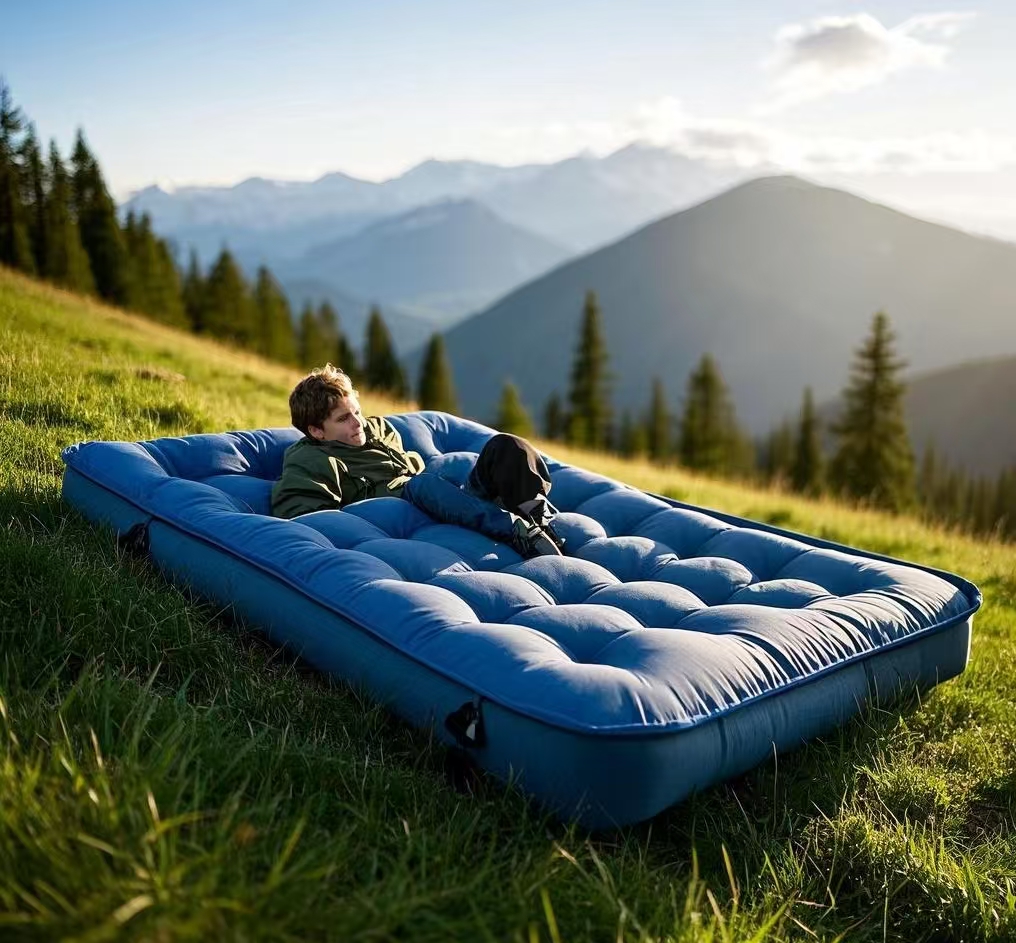
The R-value of a mattress indicates its ability to insulate you from the cold ground. A higher R-value means better insulation, which is essential for colder environments. If you plan to hike in colder weather, look for a mattress with a higher R-value (typically 4 or above). In warmer conditions, a lower R-value (around 1.5 to 2.5) may be sufficient.
4. Durability and Repairability
Since hiking mattresses can be exposed to rough terrains, make sure to choose a durable model. Foam pads are the most rugged, while air pads can be vulnerable to punctures. Look for air pads that come with a repair kit or consider purchasing one separately.
5. Ease of Use
Think about how easy the mattress is to inflate, deflate, and store. Self-inflating pads and air pads typically require more setup time than foam pads, which are ready to use as soon as you unroll them.
4. Conclusion: Finding Your Ideal Hiking Mattress
The right hiking mattress can make all the difference between a restful night and a sleepless one on the trail. Whether you choose a lightweight air pad, a durable foam pad, or a convenient self-inflating pad, it’s important to consider comfort, weight, insulation, and durability. By selecting a mattress that fits your needs and preferences, you can ensure a more comfortable and enjoyable outdoor experience.
When packing for your next hike, don’t overlook the value of a quality mattress. It may seem like a small detail, but it can transform your camping experience, helping you wake up refreshed and ready to tackle the next day’s adventure.