Berries add vibrant color, ecological value, and seasonal interest to any landscape. Whether you’re looking to attract birds, forage for edible fruits, or simply enjoy ornamental beauty, berry-producing trees are a fantastic choice. Here’s a roundup of top trees that bear berries, along with their benefits and growing tips.
1. Eastern Red Cedar (Juniperus virginiana)
🟣 Berry Color: Blue-purple
🌿 Type: Evergreen conifer
🐦 Wildlife Value: Loved by cedar waxwings and robins.
🌍 Best For: Windbreaks, drought-tolerant landscapes.
⚠ Note: Berries are technically juniper “cones” (used in gin-making).
2. Serviceberry (Amelanchier spp.)
🔴 Berry Color: Red to dark purple
🌸 Bonus: Stunning white spring flowers.
🍽 Edible? Yes! Sweet, blueberry-like flavor (great for pies).
🌳 Varieties: Amelanchier canadensis (Eastern U.S.), A. alnifolia (Western U.S.).
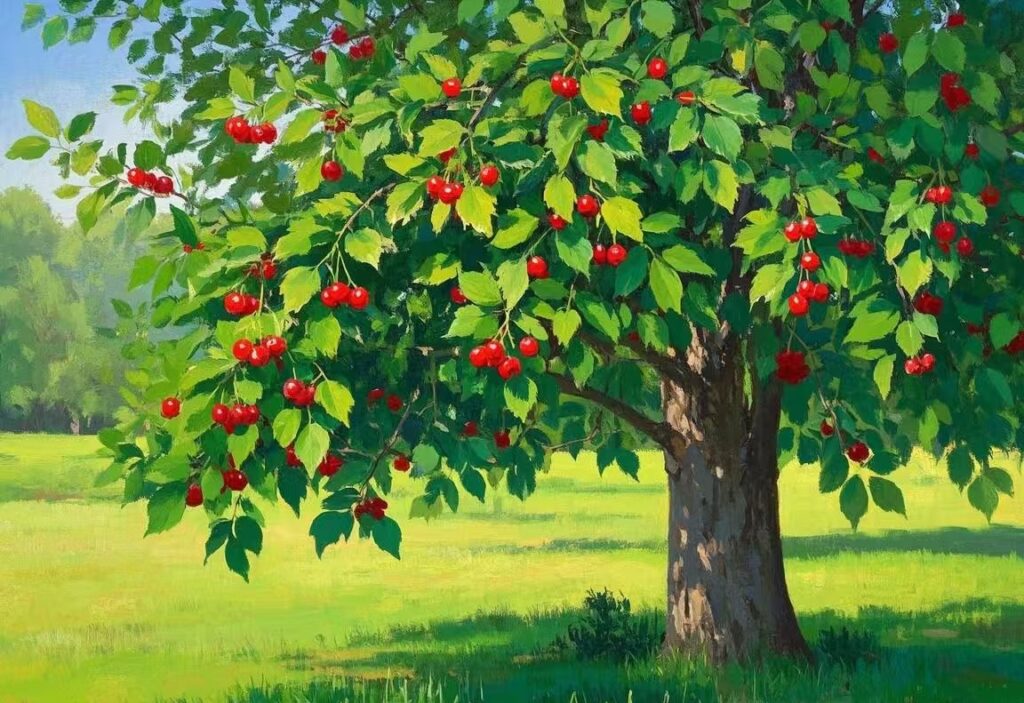
3. Hawthorn (Crataegus spp.)
🔴 Berry Color: Bright red (sometimes yellow or black)
🌺 Features: Fragrant spring blooms + thorny branches.
🦉 Wildlife Magnet: Birds adore the “haws”; deer-resistant.
💊 Traditional Use: Berries support heart health (herbal teas).
4. Dogwood (Cornus spp.)
🔴 Berry Color: Red (C. florida), white (C. kousa), or blue (C. alternifolia)
🍂 Fall Foliage: Scarlet leaves complement the berries.
⚠ Caution: Some species’ berries are mildly toxic to humans (but birds love them).
5. Mulberry (Morus spp.)
🟣 Berry Color: Black, red, or white
🍇 Edible? Delicious raw or in jams (stains sidewalks!).
🌱 Fast-Growing: Great for shade, but can be invasive (check local species).
6. Chokecherry (Prunus virginiana)
⚫ Berry Color: Dark purple-black
🍒 Edible? Yes—but tart (best for jellies after removing pits).
🌿 Ecological Role: Host plant for butterflies like the tiger swallowtail.
7. Holly (Ilex spp.)
🔴 Berry Color: Bright red (some species have yellow/orange)
🎄 Holiday Classic: American holly (Ilex opaca) is a Christmas favorite.
⚠ Toxicity: Berries are poisonous to humans (safe for birds).
8. Elderberry (Sambucus spp.)
⚫ Berry Color: Deep purple-black
💊 Superfood: High in antioxidants (used in syrups for immunity).
🌸 Spring Blooms: Fragrant white flower clusters.
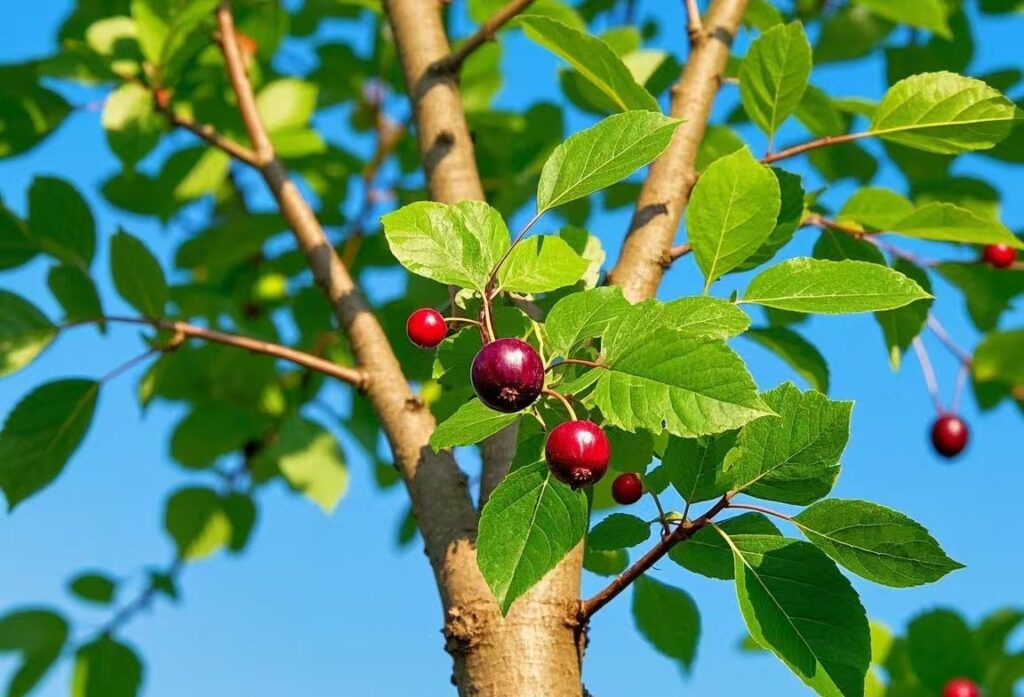
Planting Tips for Berry Trees
✔ Sunlight: Most need full sun to part shade.
✔ Soil: Well-drained, slightly acidic soil preferred.
✔ Pollination: Some (like serviceberry) need cross-pollination—plant two!
✔ Pruning: Remove dead wood in late winter to encourage fruiting.
Why Grow Berry Trees?
- Biodiversity: Feed birds, bees, and pollinators.
- Low Maintenance: Many are native and drought-tolerant.
- Year-Round Interest: Flowers, fruit, and fall color.