Bees play an essential role in our ecosystems as pollinators, but did you know there’s a unique variety of bee known as the “thumbprint bee”? These little creatures have intrigued entomologists and nature enthusiasts alike due to their striking appearance and fascinating behavior.
What Are Thumbprint Bees?
Thumbprint bees, also known as “megachilid bees,” are a group of solitary bees famous for their distinct thumbprint-like markings on their abdomen. These bees are members of the family Megachilidae and are known for their unique nesting behavior and the way they gather pollen. Unlike honeybees, which live in colonies, thumbprint bees prefer to nest alone and often create nests in hollow stems or crevices. Their signature thumbprint marking, which resembles a small dimple, is what gives them their name.
The Thumbprint Bee’s Habitat
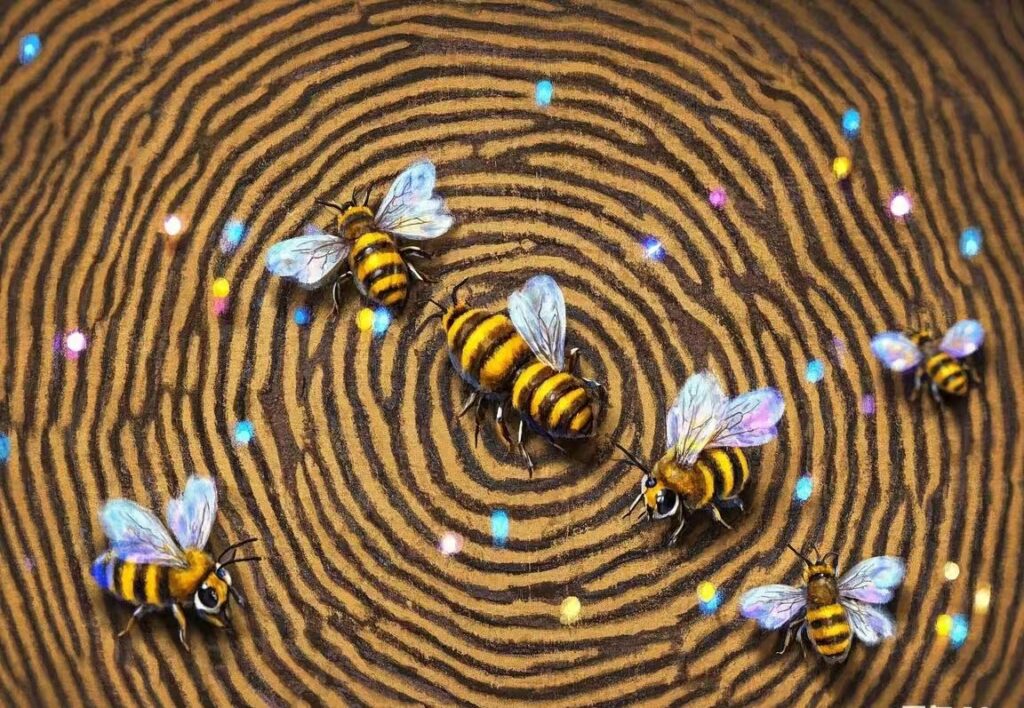
Thumbprint bees are often found in gardens, forests, and other areas with plenty of flowering plants. These bees are excellent pollinators, especially of fruit-bearing plants like tomatoes and berries. Their ability to collect pollen efficiently makes them invaluable for promoting healthy ecosystems and agricultural growth.
Behavior and Characteristics
One of the most remarkable characteristics of thumbprint bees is their solitary nature. These bees don’t live in large hives but instead build individual nests where they lay their eggs. Each nest is typically filled with pollen and nectar to feed the larvae once they hatch. Thumbprint bees are also known for their agility in flight, able to quickly maneuver to collect pollen from flowers.
Importance of Thumbprint Bees
While thumbprint bees may seem small, they have a big impact on the environment. As they pollinate plants, they help maintain biodiversity and ensure the production of many of the foods we consume daily. Without these bees, many fruits, vegetables, and seeds wouldn’t grow.
Additionally, thumbprint bees are an essential part of conservation efforts. Their presence indicates a healthy environment, and they help increase the resilience of ecosystems. By fostering environments that support these bees, such as planting more flowers and reducing pesticide use, we can contribute to protecting their populations.
Protecting Thumbprint Bees
As with many pollinators, thumbprint bees face threats from habitat destruction, climate change, and pesticide use. Ensuring their survival means protecting their habitats, reducing environmental pollutants, and fostering sustainable farming practices. Creating bee-friendly gardens with native plants is a simple but effective way to support thumbprint bees and other pollinators.
Conclusion
The thumbprint bee is an incredible insect that plays a crucial role in the pollination process. Their solitary lifestyle and ability to efficiently gather pollen make them essential for the environment. By learning more about these fascinating creatures and taking steps to protect them, we can ensure they continue to thrive for generations to come. So, next time you spot one of these remarkable bees, remember their importance and the role they play in our world.