The word “sage” carries deep symbolism in Western traditions—often associated with wisdom, healing, and purification. But how does this concept translate in Japanese culture? Let’s unravel the linguistic nuances and cultural significance of “sage” in Japan.
1. “Sage” as a Plant
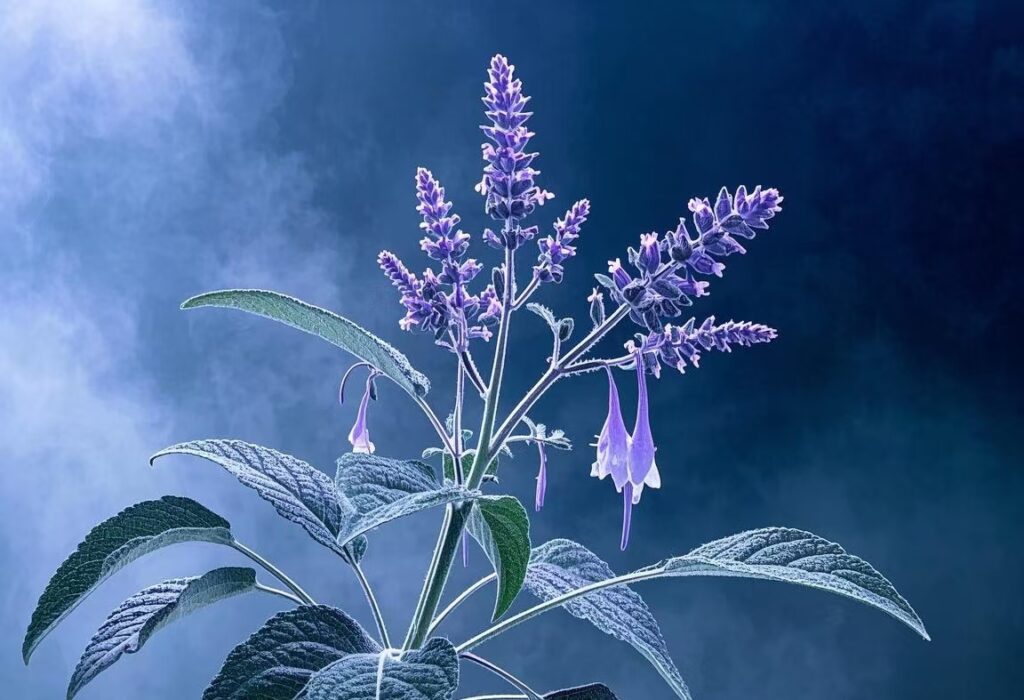
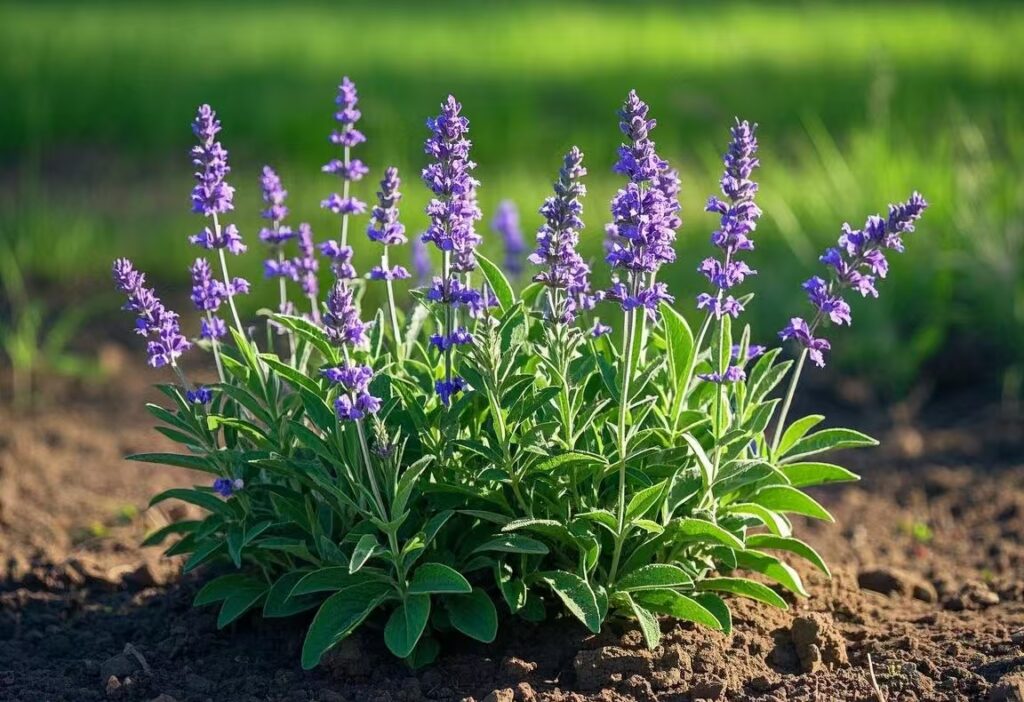
In Japanese, the herb sage is called セージ (pronounced “sēji”), borrowed from the English word. It’s not native to Japan but is recognized in:
- Cuisine (used sparingly in Western-style dishes)
- Aromatherapy (for its calming properties)
- Gardening (as an ornamental herb)
Fun Fact: Unlike in Western smudging rituals, sage isn’t traditionally burned in Japanese practices. Instead, incense (お香 / okō) is used for purification.
2. “Sage” as Wisdom
If you mean “sage” as in a wise person, the closest term is:
- 賢者 (Kenja) – A sage or philosopher (e.g., Confucian scholars).
- 仙人 (Sennin) – A mystical hermit or immortal sage in folklore.
Cultural Insight: Japan reveres historical wise figures like Miyamoto Musashi (swordsman-philosopher) and Zen monks, but the Western “sage” archetype differs from Eastern philosophies.
3. “Sage” in Gaming & Pop Culture
In Japanese RPGs (like Final Fantasy), “Sage” is often:
- 魔法使い (Mahōtsukai) – A wizard/sorcerer.
- 賢者クラス (Kenja kurasu) – The “Sage class” of wise healers.
4. “To Sage”
The verb 下げる (sageru) means “to lower” (e.g., prices, flags, or voices). No connection to wisdom—just a linguistic coincidence!
Final Thoughts
While Japan doesn’t have an exact equivalent of the Western “sage,” its culture celebrates wisdom through Zen masters, scholars, and nature-based rituals. Whether you’re discussing herbs, philosophy, or gaming, context is key!