Chrysanthemums, commonly known as “mums” or “chrysanths,” are beautiful flowering plants that belong to the Asteraceae family. They are native to Asia and northeastern Europe and are especially popular in countries like China and Japan, where they hold significant cultural symbolism. Chrysanthemums are prized for their bright, colorful blooms and are commonly used as ornamental garden plants and in floral arrangements.
The Beauty of Chrysanthemums
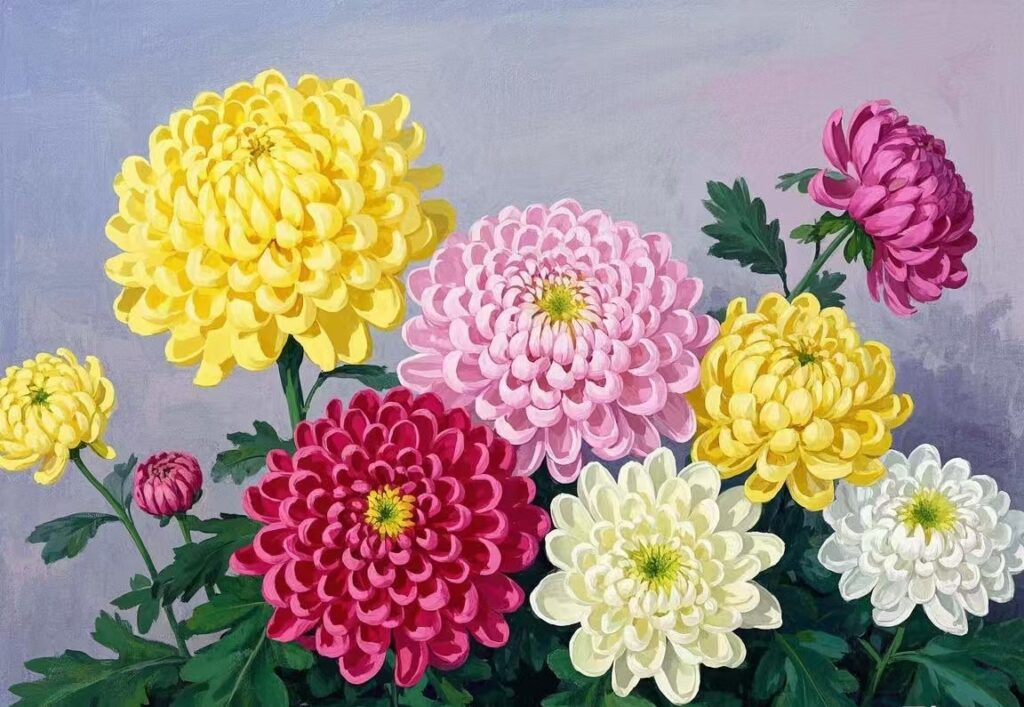
One of the most appealing aspects of chrysanthemums is their stunning array of colors and forms. You can find chrysanthemums in shades of yellow, white, pink, red, purple, and even multicolored varieties. The flowers themselves come in a variety of shapes, including daisy-like, pompon, spider, and anemone forms. This diversity makes them an excellent choice for gardens, patios, and indoor displays.
Chrysanthemums typically bloom in the fall, adding a vibrant splash of color just as other garden plants start to fade. Their long-lasting flowers make them a favorite for both gardening enthusiasts and florists.
Symbolism and Cultural Significance
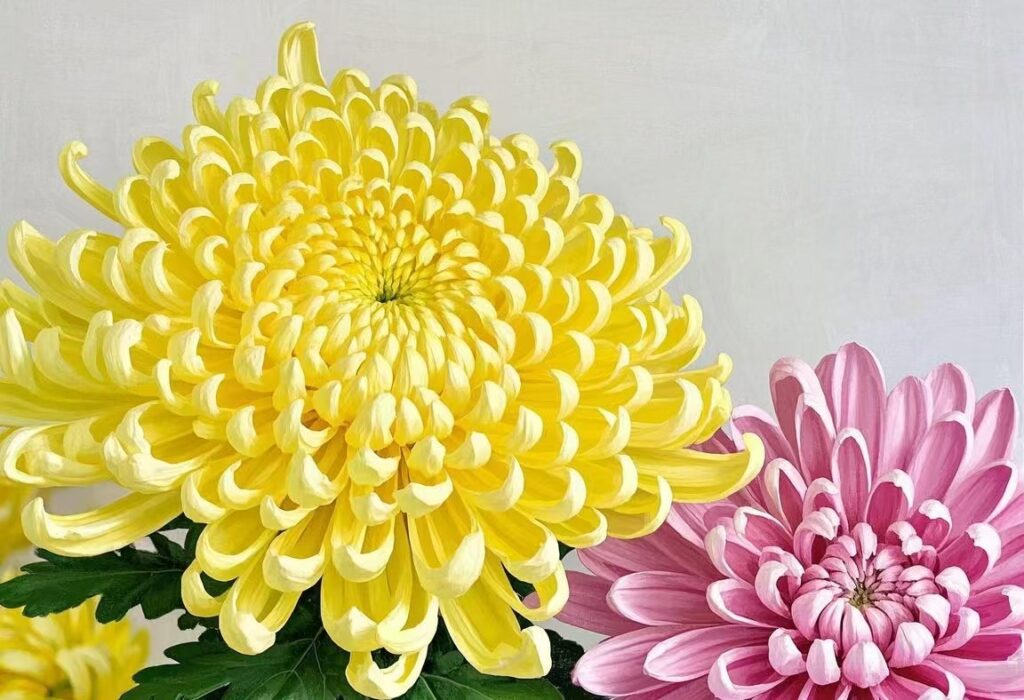
Chrysanthemums hold deep cultural meaning, particularly in Asian countries. In China, they symbolize longevity and are associated with the autumn season. In Japan, they are considered a symbol of the Imperial family and are celebrated every year during the Festival of Happiness.
However, in some Western cultures, particularly in parts of Europe, chrysanthemums are often associated with mourning and are used as funeral flowers. Despite these differences, they remain universally admired for their beauty and resilience.
Growing and Caring for Chrysanthemums
Caring for chrysanthemums is relatively simple, but a few essential tips can help your plants thrive:
- Sunlight: Chrysanthemums love bright, indirect sunlight. Ideally, they should receive at least 6 hours of light per day.
- Soil: They thrive in well-draining, nutrient-rich soil. Adding compost or organic matter can enhance soil quality.
- Watering: Keep the soil consistently moist but avoid overwatering. Water at the base of the plant to prevent fungal diseases.
- Pruning: To encourage bushier growth, pinch back the tips of the plants in early summer. Remove dead or faded flowers to prolong blooming.
- Fertilizing: Use a balanced, water-soluble fertilizer every few weeks during the growing season.
Chrysanthemums are generally hardy, but they may need some protection during severe winters. Mulching around the base can help retain moisture and insulate the roots.
Why Grow Chrysanthemums?
Chrysanthemums are more than just pretty flowers. They are versatile, easy to grow, and can brighten up any garden or indoor space. Their long blooming season and variety of colors make them a gardener’s delight. Plus, their cultural significance adds a special touch for those who appreciate symbolism and tradition.
Whether you’re planting them as a cheerful garden accent or using them in a floral arrangement, chrysanthemums are sure to add a touch of elegance and vibrancy to your surroundings. With proper care, they will reward you with their stunning blossoms year after year.