Ceramics have long been a staple in the world of art, design, and home decor. Their versatility, durability, and aesthetic appeal make them a favorite among artists, designers, and homeowners alike. In recent times, there has been a fascinating exploration of new ceramic textures, breathing fresh life into this age – old medium.
The Evolution of Ceramic Textures
Historically, ceramics have been associated with smooth, glossy surfaces, think of traditional porcelain vases or classic ceramic tiles. However, the creative community has been pushing the boundaries, seeking to introduce more tactile and visually interesting textures. This shift is driven by a desire to add depth, character, and a sense of uniqueness to ceramic pieces.
Types of New Ceramic Textures
Rustic and Organic Textures
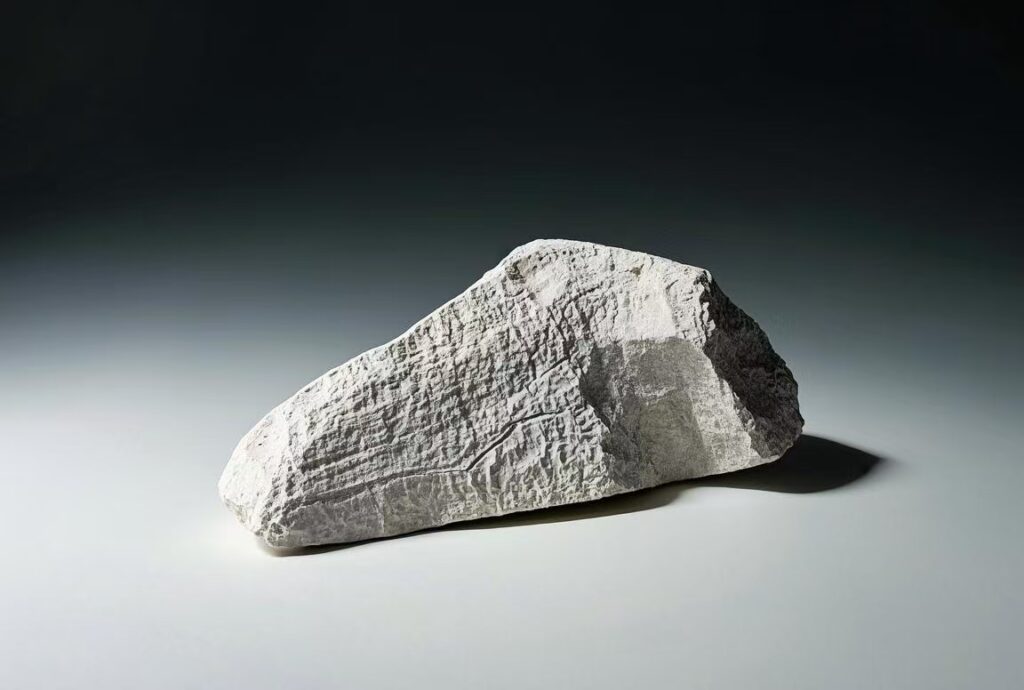
One popular trend is the creation of rustic, organic – looking textures. Artists are mimicking the textures found in nature, such as the rough bark of a tree, the uneven surface of a river stone, or the crinkled texture of dried leaves. This is often achieved through techniques like imprinting real – life objects into the wet clay. For example, pressing a piece of burlap or a leaf onto the clay surface before firing leaves behind a distinct, natural – looking pattern. These textures add a sense of warmth and earthiness to ceramic works, making them feel more in tune with the natural world. In home decor, a ceramic vase with a bark – like texture can serve as a stunning centerpiece, bringing a bit of the outdoors inside.
Geometric and Abstract Textures
On the other hand, geometric and abstract textures are also making waves. These involve creating precise, angular patterns or more free – form, flowing designs on the ceramic surface. Artists use tools like carving knives, stamps, or even 3D – printing techniques to achieve these textures. Geometric textures, such as a series of intersecting triangles or concentric circles, can add a modern, contemporary edge to ceramic pieces. An abstract texture, perhaps a swirl of lines that seem to dance across the surface, can evoke a sense of movement and creativity. In architecture, ceramic tiles with geometric textures can be used to create eye – catching facades or decorative accents in interior spaces.
Textured Glazes
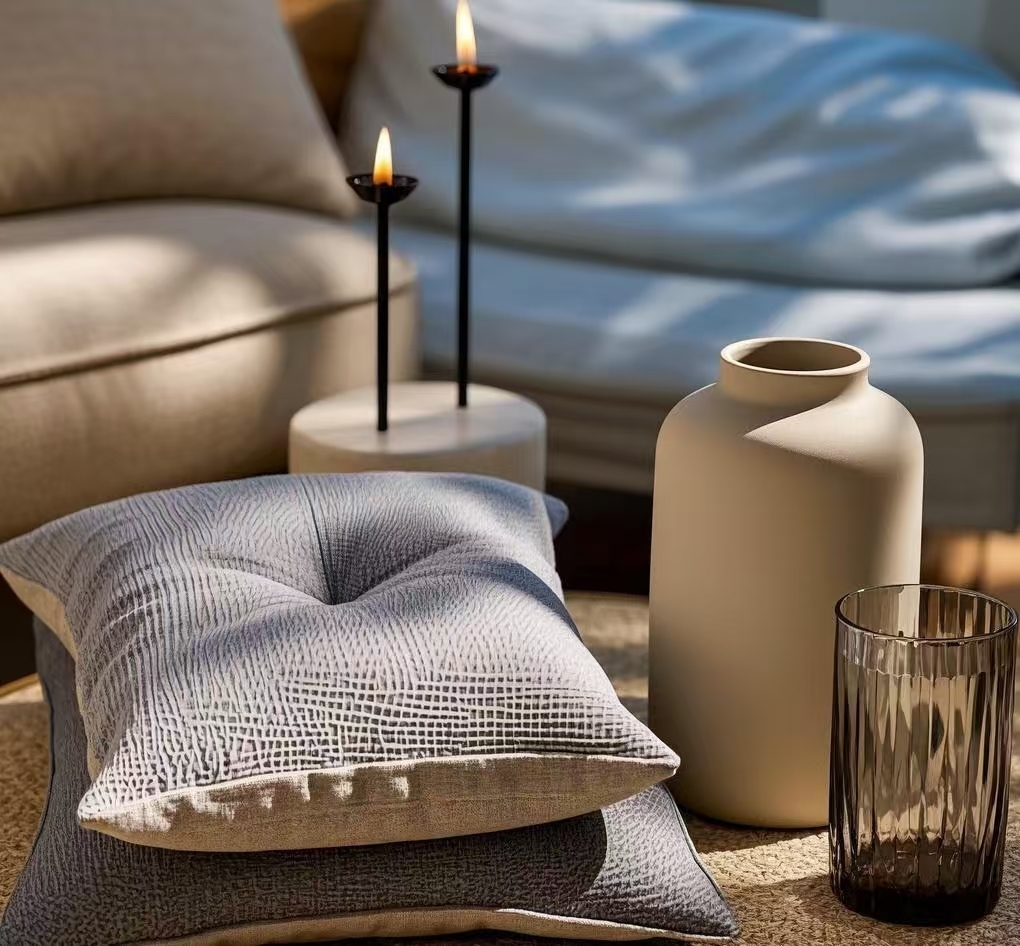
Another area of innovation is in textured glazes. Glazes are no longer just smooth coatings; they now come in a variety of textures. Matte glazes with a slightly rough, velvety feel are quite popular. These glazes can enhance the natural texture of the clay beneath, giving the piece a more subdued, sophisticated look. There are also crackle glazes, which create a network of fine cracks on the surface when fired. This not only adds an interesting visual element but also a sense of history, as if the piece has been around for ages. Some glazes even have a raised, embossed – like texture, adding a three – dimensional quality to the ceramic object.
Incorporating New Ceramic Textures in Design
Home Decor Applications
In the realm of home decor, new ceramic textures offer endless possibilities. A set of ceramic coasters with unique textures can be both functional and decorative. For example, coasters with a pebble – like texture not only protect your furniture but also add a touch of charm to your coffee table. Ceramic wall art with abstract or organic textures can become a focal point in a living room, creating a conversation – starting piece. And let’s not forget about ceramic planters. A planter with a geometric texture can make a bold statement on a patio, while one with an organic texture can blend seamlessly into a garden setting.

Fashion and Jewelry Design
Ceramics are also making inroads into the fashion and jewelry world. Jewelry designers are using ceramic pieces with interesting textures to create one – of – a – kind necklaces, bracelets, and earrings. A ceramic pendant with a rough, hand – carved texture can add an edgy, artisanal touch to an outfit. In fashion, ceramic buttons with unique textures can be used to elevate a simple blouse or jacket.
Product Design
In product design, new ceramic textures are being used to enhance the user experience. For example, ceramic handles on kitchen utensils with a textured surface provide a better grip, making cooking more comfortable. In bathroom fixtures, ceramic sinks or tiles with textured glazes can add a touch of luxury and uniqueness to the space.
In conclusion, the world of new ceramic textures is a rich and exciting one. Whether you’re an artist looking for new creative avenues, a designer seeking to make a statement, or a homeowner wanting to add some personality to your space, these innovative textures offer a wealth of possibilities. So, keep an eye out for the latest ceramic creations with their captivating textures, and consider incorporating them into your own creative projects or living environment.