Gargoyles are more than just eerie stone creatures perched on the edges of buildings—they’re a fascinating blend of art, history, and mythology. These iconic figures have adorned cathedrals, castles, and other structures for centuries, captivating the imagination of all who see them. In this short blog, let’s explore the intriguing world of gargoyles and uncover their purpose, history, and enduring appeal.
What Are Gargoyles?
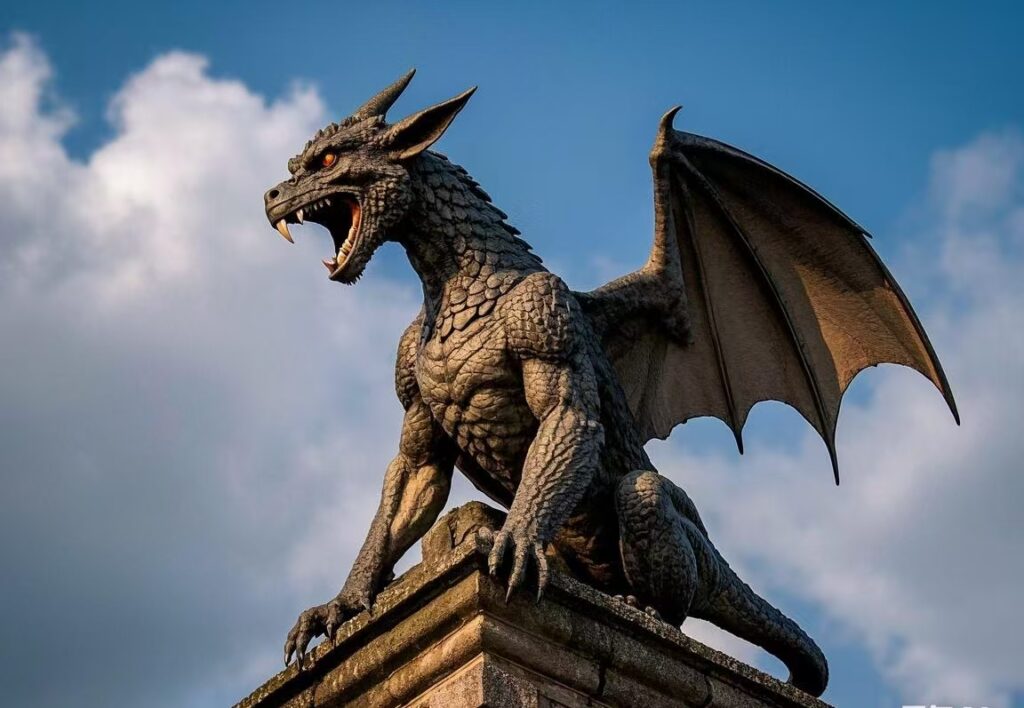
Gargoyles are carved stone figures, often depicting grotesque or fantastical creatures, that serve as decorative waterspouts on buildings. They are designed to channel rainwater away from the structure, preventing damage to the walls and foundation. However, not all stone creatures are true gargoyles—those without a water-spouting function are called grotesques.
The History of Gargoyles
- Medieval Origins
Gargoyles became prominent in medieval Europe, particularly on Gothic cathedrals like Notre-Dame in Paris. They were believed to ward off evil spirits and protect the buildings. - Symbolism and Superstition
Many gargoyles were designed to resemble fearsome creatures, combining elements of animals, humans, and mythical beings. Their intimidating appearance was thought to scare away evil forces. - Architectural Function
Beyond their symbolic role, gargoyles served a practical purpose by directing rainwater away from the building, preserving the stonework.
Why Gargoyles Still Captivate Us
- Artistic Mastery
Gargoyles showcase the skill and creativity of medieval stonemasons, who transformed functional elements into works of art. - Mystery and Mythology
Their grotesque and otherworldly designs spark curiosity and imagination, inviting us to ponder their meanings and stories. - Cultural Influence
Gargoyles have inspired countless works of literature, film, and pop culture, from The Hunchback of Notre-Dame to modern fantasy stories.
Famous Gargoyles Around the World
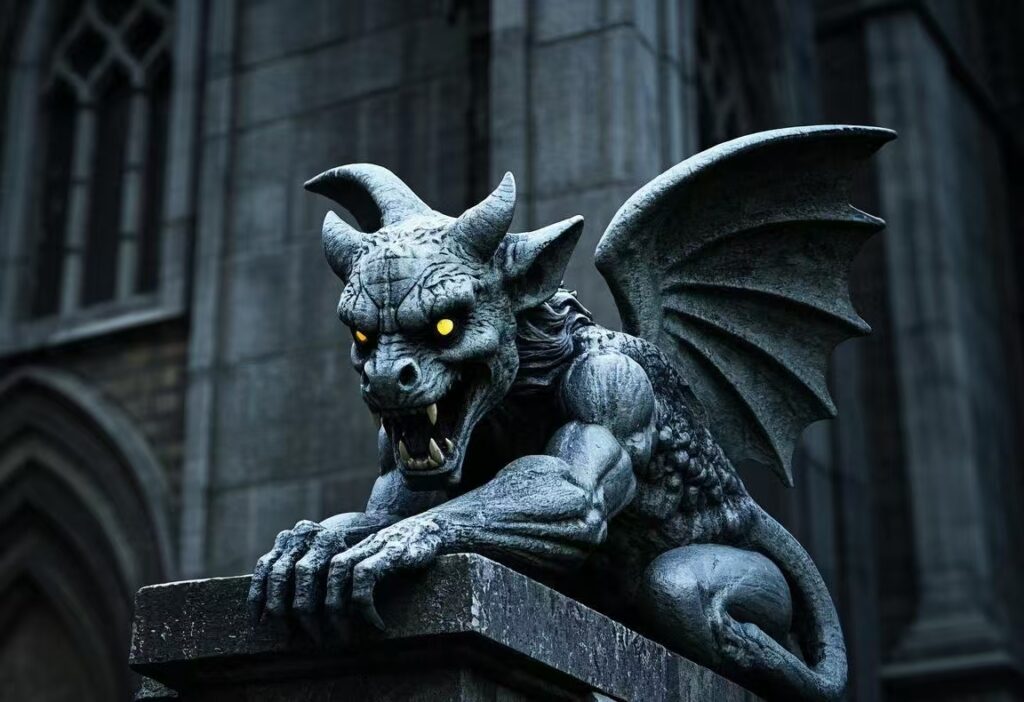
- Notre-Dame Cathedral (Paris, France): Home to some of the most iconic gargoyles, including the famous Stryga.
- Washington National Cathedral (Washington, D.C.): Features modern gargoyles, including one shaped like Darth Vader.
- Prague Castle (Prague, Czech Republic): Boasts a collection of whimsical and eerie gargoyles.
Final Thoughts
Gargoyles are more than just architectural features—they’re a testament to human creativity, ingenuity, and the enduring power of storytelling. Whether you’re an architecture enthusiast, a history buff, or simply someone who loves a good mystery, gargoyles offer a fascinating glimpse into the past and a touch of magic to the present.
So, the next time you spot a gargoyle perched high above, take a moment to appreciate its artistry and the stories it might tell. Who knows what secrets these stone guardians are hiding? 🏰✨