Introduction
Roses have long held a special place in the hearts of people around the world. Their beauty, fragrance, and symbolic significance make them a muse for various forms of art, including composition. In this blog, we’ll explore the fascinating world of “composing rose,” whether it’s in the context of floral arrangements, photography, or even writing.
Floral Arrangements: A Symphony of Roses
When it comes to floral composition, roses are the stars of the show. Creating a beautiful rose – based arrangement is like composing a musical symphony, where each element plays a crucial role. First, consider the color palette. Roses come in a wide range of hues, from classic reds symbolizing love and passion to soft pinks representing elegance and grace, and pure whites signifying innocence. Mixing different colored roses can create a harmonious blend. For example, pairing deep red roses with ivory – colored ones can add a touch of drama and sophistication.
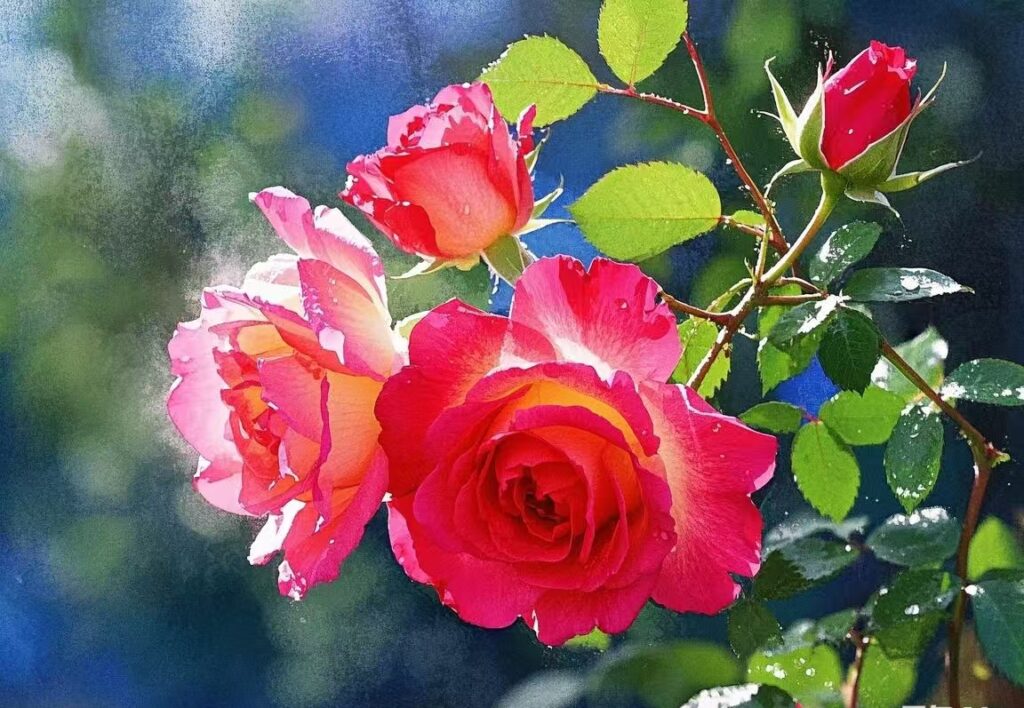
The choice of rose variety also matters. Hybrid tea roses, with their large, shapely blooms, make a bold statement and are often the centerpiece of an arrangement. Miniature roses, on the other hand, are perfect for adding delicate accents or creating a more compact, detailed composition. Incorporating greenery, such as ferns or eucalyptus, provides a lush backdrop and helps to balance the overall look. The way you arrange the roses, whether in a structured, geometric pattern or a more free – flowing, organic style, can convey different emotions. A tightly arranged bouquet of roses exudes a sense of formality, while a loose, cascading arrangement gives a feeling of natural beauty and spontaneity.
Rose – Inspired Photography: Capturing the Essence
In the realm of photography, composing with roses is about capturing their essence in a single frame. The key is to play with light, angles, and backgrounds. Soft, diffused light, such as that during the golden hour (shortly after sunrise or before sunset), can enhance the colors and textures of the roses, casting a warm, flattering glow. Experiment with different angles to find the most flattering perspective. Shooting from below can make the roses appear more majestic, while a low – angle shot can add a sense of drama.
The background also plays a vital role in the composition. A simple, neutral background, like a plain white wall or a bed of green grass, can make the roses stand out. You can also use creative backgrounds, such as a rustic wooden fence or a piece of textured fabric, to add an extra layer of interest. Focus on the details, like a single dewdrop on a rose petal or the intricate pattern of the petals themselves. By isolating these elements, you can create a powerful and captivating image.
Writing: Painting Pictures with Words
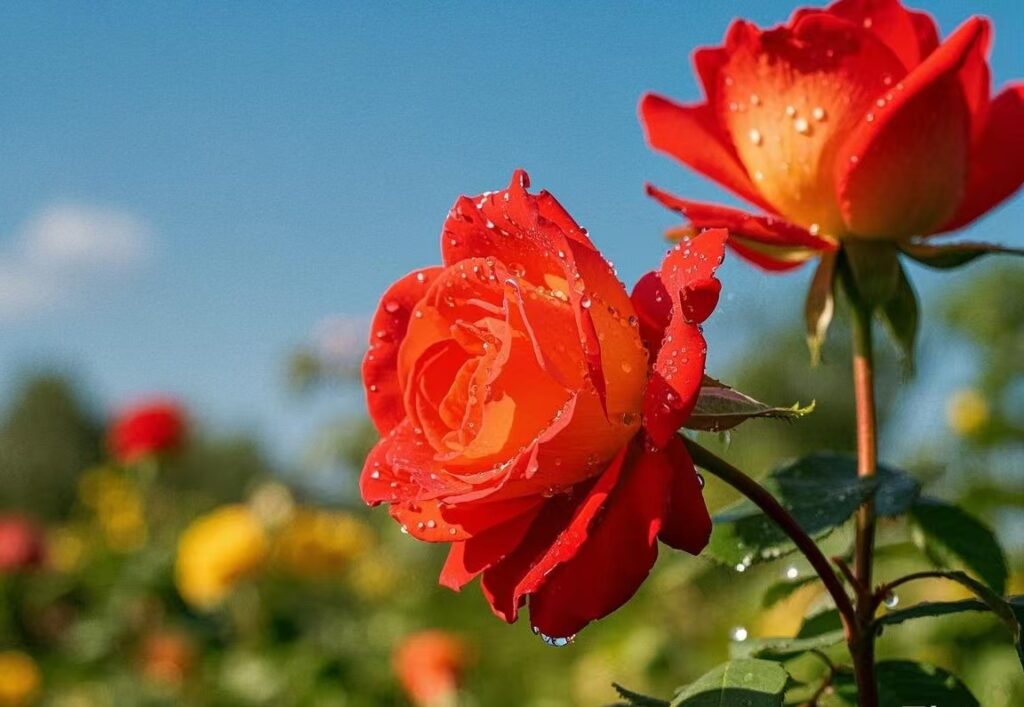
Even in writing, roses can be a source of inspiration for composition. Whether it’s a poem, a short story, or a descriptive essay, roses can be used to set the mood, convey emotions, or symbolize deeper meanings. In a love poem, a red rose might be used to describe the intensity of passion, while a wilted rose could represent the fading of a relationship.
When writing about roses, use vivid and sensory language to bring them to life. Describe their velvety texture, their sweet fragrance that lingers in the air, and their vibrant colors that seem to glow. You can compose a narrative around a rose, perhaps telling the story of how it was given as a gift, or how it grew in a special garden. By using roses as a central element in your writing, you can create a rich and engaging piece that resonates with the reader.
Conclusion
Composing with roses, whether in floral arrangements, photography, or writing, is a rewarding and creative endeavor. It allows us to express our creativity, capture the beauty of these timeless flowers, and convey emotions and ideas. So, the next time you see a rose, take a moment to appreciate its potential for composition and let your creativity bloom.