Claude Monet, one of the most celebrated painters in history, revolutionized the art world with his Impressionist masterpieces. His ability to capture light, movement, and emotion on canvas transformed the way people viewed nature and everyday life. Today, Monet’s works continue to inspire artists and art lovers around the world.
Who Was Claude Monet?
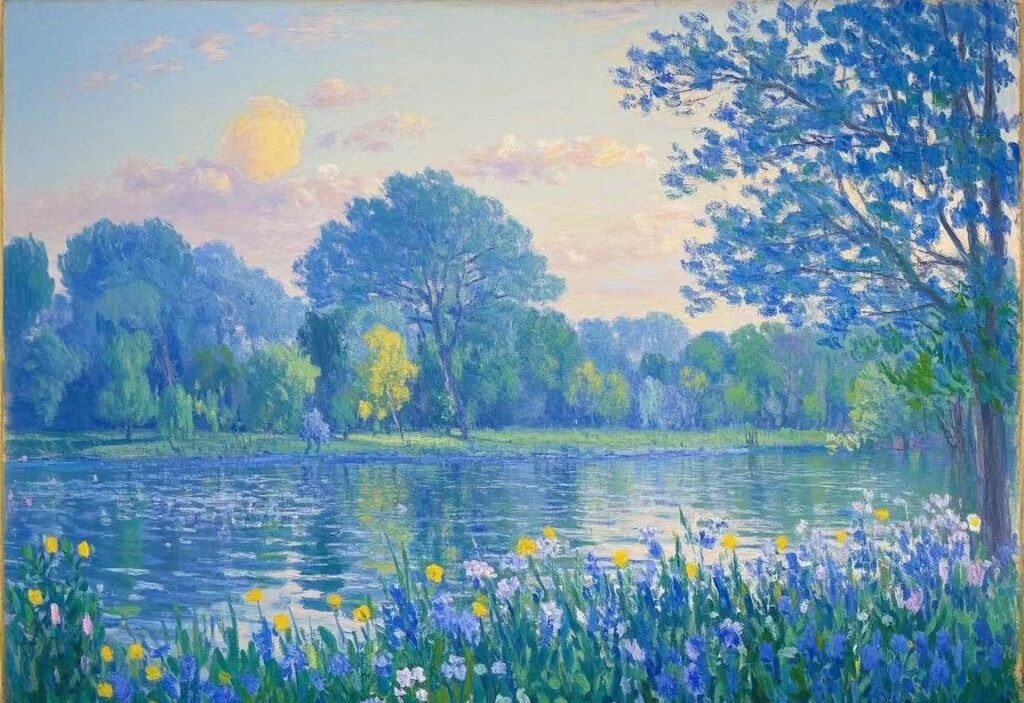
Born in 1840 in Paris, France, Monet was a key figure in the Impressionist movement, a style that emphasized loose brushstrokes and vibrant colors to depict the fleeting effects of light. Unlike traditional painters who focused on fine details, Monet sought to capture the essence of a moment—the way sunlight danced on water, how shadows shifted across a landscape, and the atmosphere of a particular time of day.
Signature Techniques in Monet’s Art
Monet’s paintings are instantly recognizable due to their:
- Short, quick brushstrokes – Rather than blending colors smoothly, Monet used visible strokes to create movement and texture.
- Brilliant use of color – He experimented with complementary colors to make his paintings more vivid and lifelike.
- Focus on light and atmosphere – Monet painted the same subject at different times of day to showcase changing light conditions.
- Outdoor painting (plein air) – Unlike many artists of his time, Monet preferred to paint outdoors, allowing him to observe nature firsthand.

Famous Works by Claude Monet
1. Impression, Sunrise (1872)
This painting, depicting a sunrise over the harbor of Le Havre, gave the Impressionist movement its name. The loose brushstrokes and hazy colors capture the fleeting beauty of morning light.
2. Water Lilies Series (1890s–1926)
Perhaps Monet’s most famous work, this series features tranquil ponds filled with floating lilies, inspired by his own garden in Giverny. These paintings are known for their soft reflections and dreamy, almost abstract quality.
3. Woman with a Parasol (1875)
This piece captures Monet’s wife, Camille, and their son walking in a sunlit field. The movement of the wind, the billowing dress, and the vibrant sky make this an iconic representation of Impressionist techniques.
4. Haystacks Series (1890–1891)
Monet painted stacks of harvested wheat in various lighting conditions, demonstrating his fascination with the way light transformed a simple object throughout the day and seasons.
5. The Houses of Parliament Series (1899–1904)
While in London, Monet painted the British Houses of Parliament under different weather conditions. The interplay of fog, light, and the River Thames created a mystical, almost dreamlike effect.
Monet’s Legacy
Claude Monet’s influence extends far beyond his lifetime. His groundbreaking approach to color, light, and movement paved the way for modern art. Today, his paintings are displayed in prestigious museums worldwide, including the Musée d’Orsay in Paris, The Metropolitan Museum of Art in New York, and The National Gallery in London.
Monet’s dedication to capturing the beauty of the natural world encourages us to see the world through fresh eyes, appreciating the fleeting moments that make life extraordinary.
Final Thoughts
Claude Monet wasn’t just a painter—he was a visionary who redefined artistic expression. His works continue to captivate audiences, proving that art is not about perfection but about feeling, atmosphere, and the beauty of imperfection.