Topiary trees, with their meticulously trimmed shapes and elegant forms, have long been a symbol of sophistication and artistry in gardens and landscapes. From classic geometric designs to whimsical animal shapes, these living sculptures bring a touch of creativity and charm to any space. In this blog, we’ll explore the history, types, and creative uses of topiary trees, as well as tips for incorporating them into your own garden or home decor.
What Are Topiary Trees?
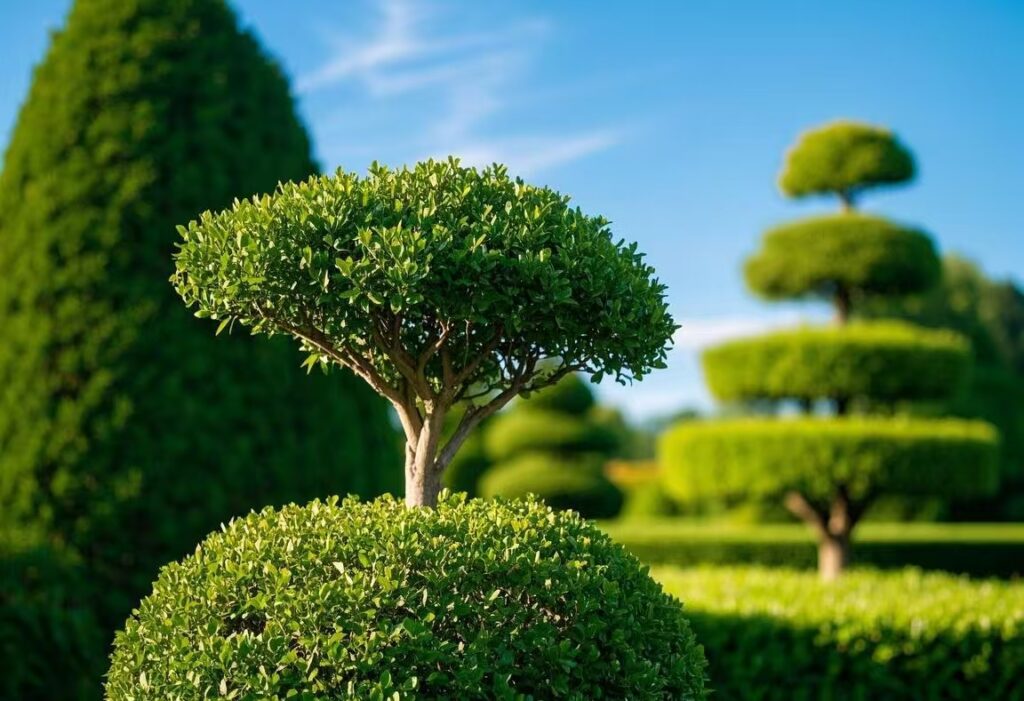
Topiary is the horticultural practice of training live plants by clipping and shaping them into ornamental forms. This art form dates back to ancient Roman gardens and has since evolved into a popular landscaping technique worldwide. Topiary trees can be created from a variety of plants, including boxwood, yew, and ivy, and are often used to add structure and visual interest to gardens, patios, and indoor spaces.
Types of Topiary Trees
- Traditional Geometric Shapes
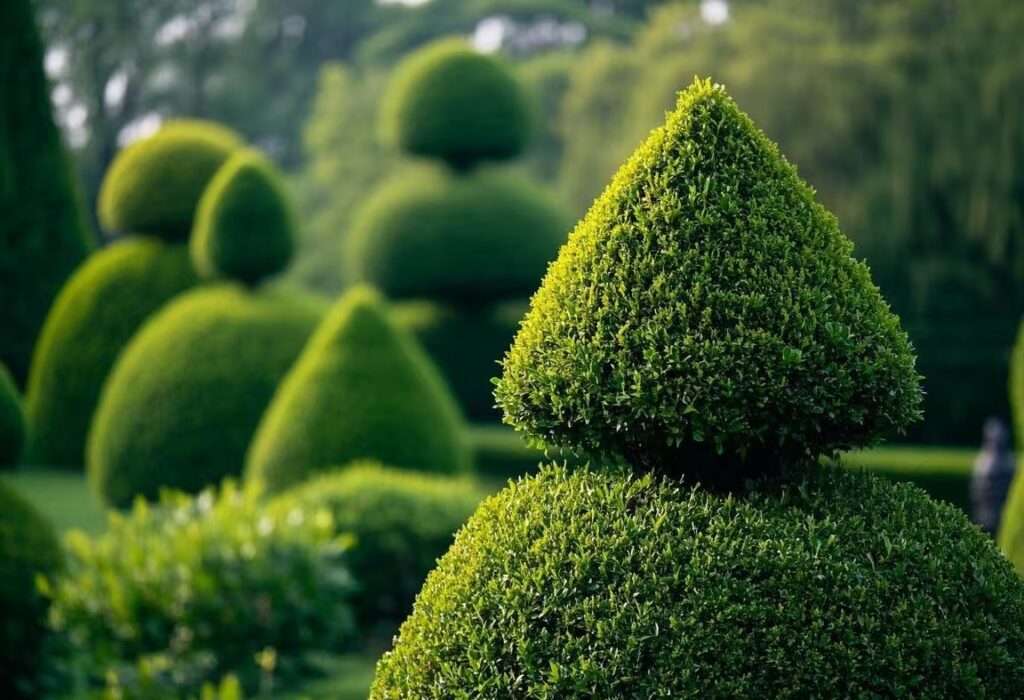
Classic topiary designs include spheres, cones, and spirals. These shapes are often used in formal gardens to create symmetry and order. - Animal and Figurative Designs
For a playful touch, topiary artists craft trees into animal shapes, such as elephants, peacocks, and even dinosaurs. These designs are popular in public parks and themed gardens. - Faux Topiary
Artificial topiary trees, made from materials like faux silk or plastic, are a low-maintenance alternative for indoor decor or outdoor spaces where live plants may not thrive. - Preserved Boxwood Topiary
These are real boxwood plants that have been treated to maintain their shape and color without the need for watering or pruning. They are ideal for long-lasting decor.
Creative Uses of Topiary Trees
- Garden Focal Points
Use topiary trees as centerpieces in your garden to create a sense of elegance and structure. Pair them with flowering plants for a striking contrast. - Indoor Decor
Small topiary trees in decorative pots can add a touch of greenery to your living room, office, or dining area. Faux topiary is especially popular for indoor use. - Event Decor
Topiary trees are a favorite for weddings, parties, and other special occasions. They can be used as aisle markers, table centerpieces, or photo backdrops. - DIY Projects
For the crafty gardener, creating your own topiary trees can be a rewarding project. Use materials like Styrofoam balls, coffee beans, or moss to design unique pieces.
Tips for Maintaining Topiary Trees
- Regular Pruning
To keep your topiary trees looking sharp, trim them regularly using sharp shears. This encourages dense growth and maintains the desired shape. - Proper Watering and Fertilizing
Live topiary trees require consistent care, including adequate watering and occasional fertilizing to promote healthy growth. - Protect from Harsh Weather
In extreme climates, consider using UV-resistant faux topiary or covering live plants during harsh weather conditions. - Choose the Right Plant
Select plants that are well-suited to your climate and the specific shape you want to achieve. Boxwood and yew are popular choices for their durability and ease of shaping.
Where to Find Topiary Trees
Whether you’re looking for live plants, preserved boxwood, or faux topiary, there are plenty of options available. Online retailers like eBay and DHgate offer a wide range of topiary trees and DIY materials15. For custom designs, consider reaching out to specialized topiary artists who can create unique pieces tailored to your needs.
Conclusion
Topiary trees are more than just plants—they are living art forms that bring beauty and creativity to any space. Whether you prefer the classic elegance of geometric shapes or the whimsy of animal designs, there’s a topiary tree for every style and occasion. So why not add a touch of sculpted greenery to your garden or home today?