The Celeste Fig Tree is a favorite among fig growers for its sweet, rich-flavored fruit and reliable production. But if you’re wondering whether it’s an open-eye or closed-eye variety, you’re not alone—this is an important factor when choosing a fig tree for your garden!
Understanding Fig “Eye” Types 👀🍃
The eye (or ostiole) is the small opening at the bottom of a fig. Its size and openness determine how well the fig resists pests, diseases, and spoilage.
🔹 Open-Eye Figs – More prone to souring, insect infestations, and fungal infections, as the open eye allows moisture and bugs to enter.
🔹 Closed-Eye Figs – More resistant to rot and pests since the eye remains tightly sealed, keeping out rain, humidity, and insects.
Celeste Fig: A Closed-Eye Variety ✅
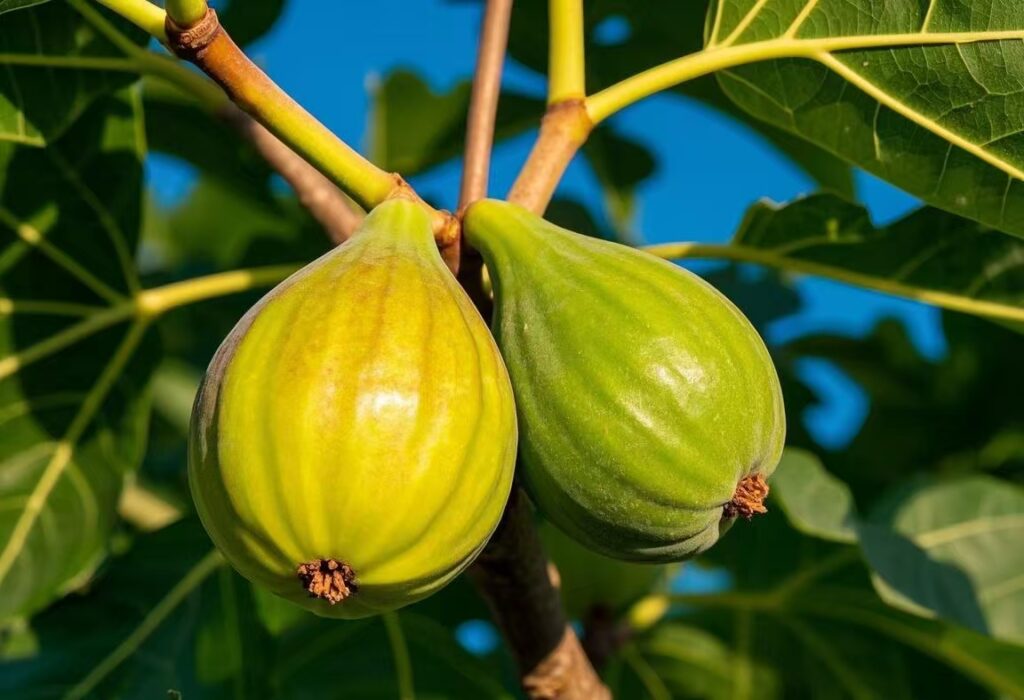
The Celeste Fig Tree is known for having a small, tightly closed eye, making it one of the best fig varieties for hot, humid climates. The closed eye helps:
✔ Prevent insect infestations (especially fig wasps and fruit flies).
✔ Reduce fruit souring and splitting in rainy conditions.
✔ Enhance fruit quality by keeping the inside clean and dry.
Because of this, Celeste figs are highly resistant to rot and spoilage, making them a top choice for growers in the southeastern U.S. and other humid regions.
Additional Benefits of the Celeste Fig 🌳✨
✔ Deliciously Sweet Flavor – Sometimes called the “sugar fig” for its natural sweetness.
✔ Cold Hardy – Can tolerate colder temperatures better than many other fig varieties.
✔ Compact & Productive – A great choice for home gardens and container growing.
✔ Low Maintenance – Drought-tolerant once established and requires minimal care.
Final Verdict: A Great Choice for Gardeners 🌿🏡
If you’re looking for a disease-resistant, pest-resistant, and easy-to-grow fig tree, the Celeste Fig is an excellent option. Its closed-eye trait ensures high-quality fruit, making it one of the best choices for backyard growers and orchard enthusiasts alike!