When we think of bridges, we often picture grand suspension bridges or elegant arch structures. However, one type of bridge that deserves equal admiration is the trestle bridge. These sturdy, functional, and often underappreciated structures have played a crucial role in connecting communities, enabling transportation, and overcoming geographical challenges. In this blog, we’ll dive into the world of trestle bridges, exploring their history, design, and significance in modern infrastructure.
What is a Trestle Bridge?
A trestle bridge is a type of bridge composed of a series of short spans supported by rigid frames called trestles. These frames are typically made of timber, steel, or concrete and are arranged in a repetitive pattern to form the bridge’s foundation. Trestle bridges are commonly used in railways, highways, and pedestrian pathways, especially in areas with uneven terrain, such as valleys, rivers, or mountainous regions.
The History of Trestle Bridges
Trestle bridges have a rich history dating back to the 19th century, particularly during the expansion of railroads in North America. As railways stretched across vast and varied landscapes, engineers needed a cost-effective and efficient way to cross challenging terrains. Trestle bridges emerged as the perfect solution, allowing trains to traverse deep gorges, steep slopes, and wide rivers.
One of the most famous examples is the Kinzua Bridge in Pennsylvania, which was once the tallest railroad trestle bridge in the world. Although partially destroyed by a tornado in 2003, its remnants stand as a testament to the ingenuity of trestle bridge engineering.
How Trestle Bridges Work
The design of a trestle bridge is both simple and ingenious. Here’s how it works:
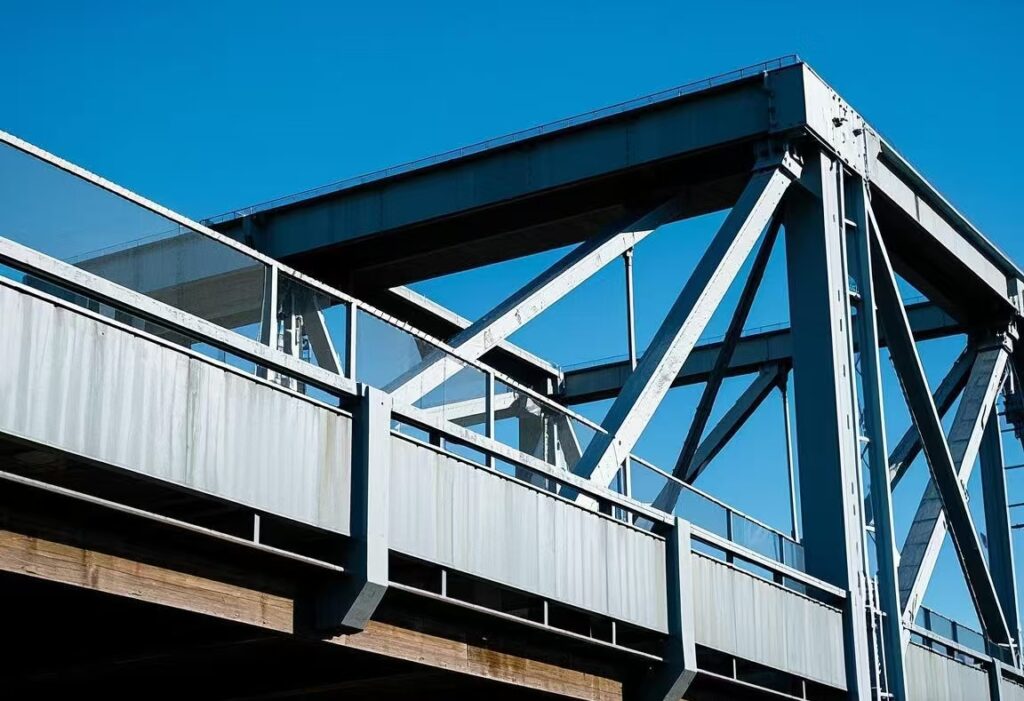
- Trestle Frames: The bridge is supported by a series of trestle frames, which are typically triangular or rectangular in shape. These frames distribute the weight of the bridge and its load evenly across the structure.
- Short Spans: Unlike long-span bridges, trestle bridges consist of multiple short spans. This design makes them ideal for crossing uneven or difficult terrain without requiring massive foundations.
- Materials: Early trestle bridges were built using timber due to its availability and ease of construction. Modern trestle bridges often use steel or concrete for increased durability and strength.
- Flexibility: Trestle bridges can be easily adapted to different landscapes, making them a versatile choice for engineers.
Advantages of Trestle Bridges
- Cost-Effective: Trestle bridges are generally more affordable to construct than other types of bridges, especially in areas with challenging terrain.
- Quick Construction: The repetitive design of trestle bridges allows for faster construction compared to more complex bridge types.
- Adaptability: Trestle bridges can be built in a variety of environments, from mountainous regions to wetlands.
- Durability: When constructed with modern materials like steel or concrete, trestle bridges can withstand heavy loads and harsh weather conditions.
Iconic Trestle Bridges Around the World
- Kinzua Bridge (USA): Once the tallest railroad trestle bridge, it remains a symbol of engineering prowess.
- Lethbridge Viaduct (Canada): One of the longest and highest trestle bridges in the world, spanning 1.6 kilometers across the Oldman River valley.
- Goat Canyon Trestle (USA): Located in the California desert, this abandoned railway trestle is a popular destination for adventurers and photographers.
Trestle Bridges in Modern Times
While trestle bridges are often associated with historic railways, they continue to play a vital role in modern infrastructure. They are widely used in:
- Railways: Trestle bridges remain a popular choice for railway construction, especially in remote or rugged areas.
- Highways: In mountainous regions, trestle bridges provide safe and efficient passage for vehicles.
- Pedestrian Pathways: Trestle bridges are also used in parks and recreational areas, offering scenic routes for walkers and cyclists.
The Future of Trestle Bridges
As technology advances, so does the design and construction of trestle bridges. Modern materials like reinforced concrete and high-strength steel have made these structures even more durable and sustainable. Additionally, innovations in construction techniques, such as modular assembly, are reducing costs and construction time.
Conclusion
Trestle bridges may not always grab the spotlight, but their contribution to transportation and infrastructure is undeniable. From their humble beginnings in the 19th century to their continued use in modern engineering, trestle bridges represent a perfect blend of functionality, adaptability, and ingenuity. The next time you cross a trestle bridge, take a moment to appreciate the marvel of engineering beneath your feet.