Shrub plants are a fantastic addition to any garden or landscape. They provide structure, color, and even privacy, making them a popular choice for gardeners and homeowners. Whether you’re looking for flowering shrubs, evergreen varieties, or low-maintenance options, this guide will help you understand the benefits of shrubs and how to care for them.
1. What Are Shrub Plants?
Shrubs are woody plants that are smaller than trees but larger than most flowers. They typically have multiple stems and can range from small, compact bushes to large, sprawling plants. Shrubs can be evergreen (keeping their leaves year-round) or deciduous (shedding leaves in autumn).
2. Benefits of Shrub Plants
Shrubs offer numerous advantages for gardens and landscapes, including:
- Aesthetic Appeal – Shrubs add beauty with colorful flowers, lush foliage, and unique shapes.
- Privacy and Shade – Tall shrubs can act as natural fences or windbreaks.
- Wildlife Habitat – Many shrubs attract birds, bees, and butterflies.
- Low Maintenance – Some shrubs require little care and can thrive in different environments.
3. Popular Types of Shrubs
Here are some common shrubs categorized by their features:
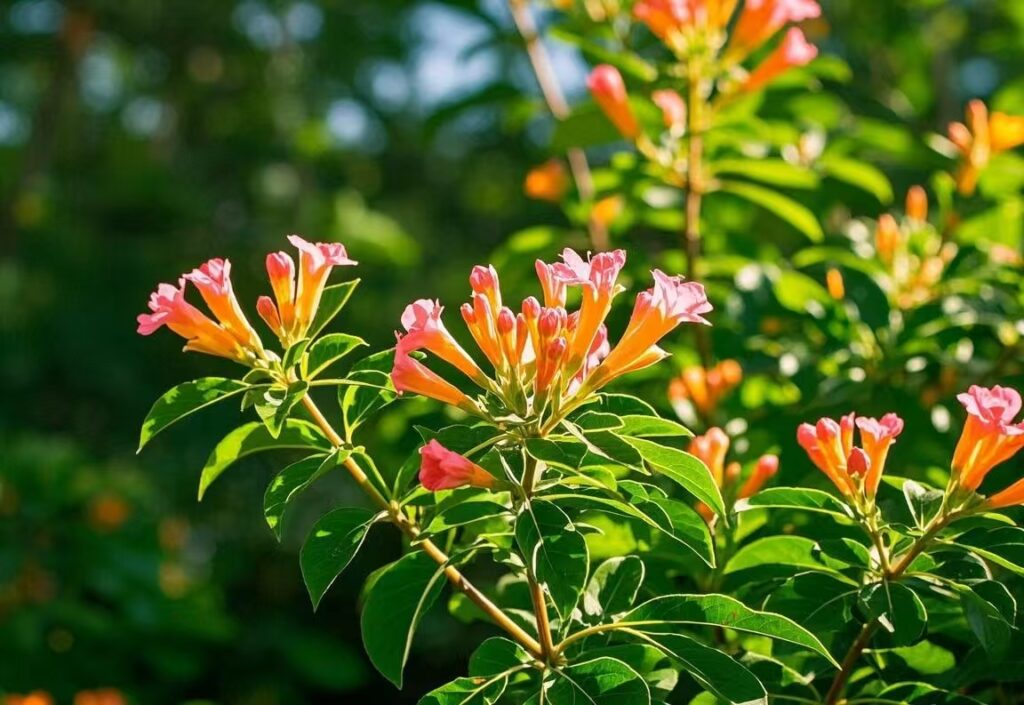
Flowering Shrubs
- Hydrangeas – Known for their large, colorful blooms.
- Roses – Classic garden shrubs with beautiful, fragrant flowers.
- Azaleas – Vibrant, spring-blooming shrubs.
Evergreen Shrubs
- Boxwood – A dense, easy-to-trim shrub often used for hedges.
- Holly – Recognizable for its glossy green leaves and red berries.
- Juniper – A hardy shrub that adds texture and color year-round.
Low-Maintenance Shrubs
- Lavender – Drought-resistant and fragrant.
- Spirea – Tough, fast-growing, and great for landscaping.
- Butterfly Bush – Attracts pollinators and thrives in many conditions.
4. How to Care for Shrubs
To keep your shrubs healthy and thriving, follow these essential care tips:
Planting
- Choose a location with the right sunlight and soil conditions.
- Dig a hole twice as wide as the root ball and plant at the same depth as it was in the nursery pot.
- Water thoroughly after planting.
Watering
- Water deeply but infrequently to encourage strong root growth.
- Avoid overwatering, as it can cause root rot.
Pruning
- Trim shrubs in late winter or early spring to promote new growth.
- Remove dead or diseased branches regularly.
- For flowering shrubs, prune after they finish blooming.
Fertilizing
- Use a balanced fertilizer in spring to encourage growth.
- Avoid over-fertilizing, which can lead to excessive leaf growth and fewer flowers.
5. Choosing the Right Shrub for Your Garden
When selecting shrubs, consider:
- Climate – Choose varieties suited to your local weather conditions.
- Size – Make sure the shrub fits the space available.
- Purpose – Decide if you want it for decoration, privacy, or attracting wildlife.
Conclusion
Shrub plants are a versatile and valuable addition to any landscape. With the right care, they can enhance your garden’s beauty, provide shade, and support local wildlife. Whether you prefer flowering, evergreen, or low-maintenance shrubs, there’s a perfect option for every gardener.
What are your favorite shrubs? Share your thoughts in the comments below! 🌿🌸